





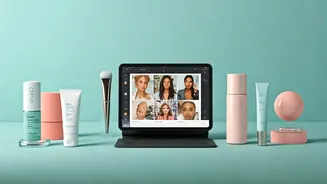



The New Beauty Boomtowns
For decades, the Indian beauty industry focused its efforts on the sprawling metropolitan hubs. But the landscape is rapidly changing. Today, the most significant growth is not coming from Mumbai or Delhi, but from cities like Cuttack, Gorakhpur, Jaipur,
and Lucknow. [2, 6] Recent data from e-commerce giants paints a clear picture: two out of every three beauty searches are now originating from non-metro markets. [2, 18] E-commerce platforms report that a majority of their orders for cosmetics now come from Tier 2 and Tier 3 cities. [13] This isn't just about volume; it's also about value. The market for premium beauty products in these regions is growing significantly, with some platforms seeing over 50% of their premium demand coming from smaller cities. [12, 19] This surge is fueled by rising disposable incomes, increased confidence, and a new level of access that has effectively erased the aspirational gap between metro and non-metro consumers. [3, 22]
The Rise of the Informed Consumer
Shoppers in smaller cities are no longer just price-sensitive; they are value-driven and increasingly sophisticated in their choices. [13] Thanks to the internet, social media, and a legion of regional influencers, they are more informed and trend-conscious than ever before. [3, 16] These consumers are actively researching ingredients like niacinamide and hyaluronic acid, seeking solutions for specific concerns like pigmentation, and demanding products that perform. [13, 24] There's a growing preference for science-backed skincare and high-quality formulations. [2, 12] This 'stepification' of beauty routines means consumers are adopting more intricate, multi-product regimens for skincare, haircare, and makeup, moving beauty from an occasional luxury to a daily ritual. [3, 11, 15] Even the men's grooming category has seen explosive growth, with searches for products like 'sunscreen for men' and 'hair serum for men' skyrocketing. [2, 4, 18]
How Brands Are Responding
This consumer evolution is forcing beauty brands, both large and small, to work much harder. Success is no longer guaranteed by simply being available. Brands are now compelled to adapt their entire strategy. This starts with product innovation, including offering smaller, entry-level pack sizes to encourage trials and creating product bundles that provide value. [11] Marketing is also becoming more localised, with brands allocating significant budgets—up to 35%—to non-metro regions and collaborating with regional influencers to build trust and relatability. [15, 16] Furthermore, companies are expanding their physical footprint, with luxury brands like Sephora and MAC opening stores in cities such as Indore, Chandigarh, and Lucknow to provide an experiential shopping journey. [5] At the same time, they are bolstering their e-commerce and quick-commerce capabilities to ensure fast and reliable delivery, which is crucial for building trust in these markets. [6, 11]
The Digital Bridge to Bharat
E-commerce and social media have been the great equalisers, acting as a digital bridge to connect brands with consumers across India. [3] Platforms like Flipkart and Amazon are not just sales channels; they are discovery engines where consumers learn about global trends and new products. [2, 19] These platforms are bringing hundreds of new international brands to the Indian market, making them accessible to shoppers in cities like Thrissur and Guwahati. [17, 19] Technology is further enhancing this experience. AI-powered shopping assistants, virtual try-on tools, and influencer-led tutorials are helping to demystify products and personalise the shopping journey. [8, 19] This digital ecosystem empowers shoppers to make informed decisions and gives brands invaluable data on consumer preferences, allowing them to tailor their offerings more effectively. [8]