



A National Shift to Rainy Retreats
The dramatic spike in Wayanad's popularity is part of a larger, nationwide trend. According to recent data from travel platforms, overall hotel bookings across India have jumped by more than 54%, while bus bookings have soared by a remarkable 140% during
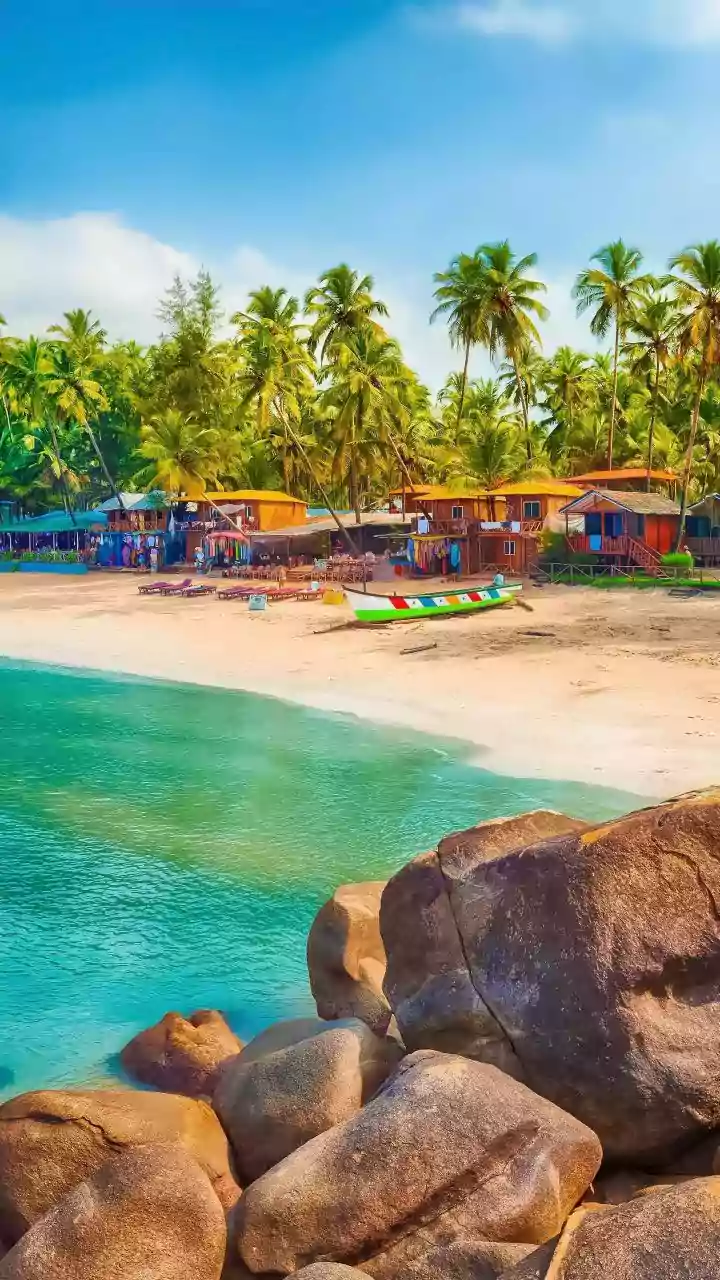
the monsoon. This indicates a fundamental shift in how Indian travellers view the rainy season—no longer an obstacle, but an opportunity. While popular hill stations like Kodaikanal and Ooty have also seen a healthy 70% growth, Wayanad leads the pack. Even coastal destinations like Goa and Pondicherry are seeing booking increases of over 100%, proving that travellers are embracing the unique charm of destinations transformed by the rains.
The Allure of a Rain-Soaked Paradise
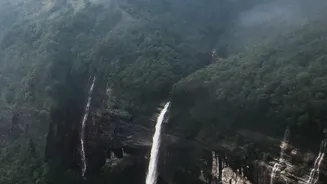
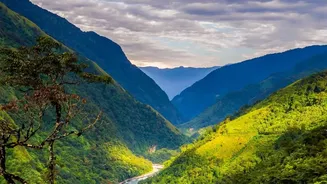
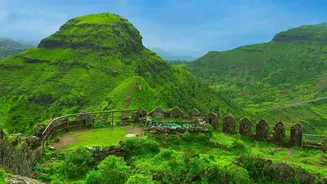
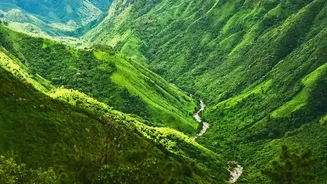
So, what makes Wayanad the star of this monsoon boom? The answer lies in its transformation into a vibrant, green paradise. During the monsoon, the district’s famous waterfalls, such as Soochipara and Meenmutty, which are often modest in the dry season, become powerful, roaring cascades. The landscape, from the sprawling tea plantations to the mist-covered peaks like Chembra Peak, turns an intense, almost electric green. Travellers are seeking this immersive natural experience: the scent of wet earth, the cool and misty air, and the soothing sound of constant rain. It offers a refreshing and romantic escape from the heat and hustle of city life.
More Than Just a View
The appeal of Wayanad in the monsoon isn't just passive sightseeing. The region has cultivated a reputation for unique, rain-centric activities. One of the biggest draws is the annual 'Splash' Monsoon Carnival, an event organised by the Wayanad Tourism Organisation to specifically promote rain tourism. The festival includes a host of playful and adventurous events like mud football, tug-of-war in slushy fields, off-road jeep rallies, and traditional farm activities. For adventure seekers, the swollen rivers and lakes offer opportunities for bamboo rafting and kayaking, while the slippery trails provide a thrilling challenge for trekkers.
Where to Stay: Resorts, Homestays, and Plantations
The accommodation options in Wayanad are a key part of its allure, catering to a wide range of travellers. Luxury resorts offer comfortable and often spectacular views of the rain-drenched valleys. However, the real charm for many lies in the numerous homestays and plantation resorts. These stays offer an authentic experience, allowing guests to stay within coffee, cardamom, and pepper plantations. Waking up to mist rolling through the trees and sipping freshly brewed coffee on a porch while it rains is an experience many travellers are specifically seeking. These smaller establishments also give visitors a chance to enjoy local Malabari cuisine and a slower, more intimate pace of life that perfectly complements the monsoon mood.
Planning Your Monsoon Getaway
While the monsoon enhances Wayanad's beauty, it also requires some practical planning. While major sites like Edakkal Caves, Pookode Lake, and Banasura Sagar Dam remain open, the experience is different. The trek to Edakkal can be slippery, and boating at Pookode may pause during heavy downpours. Waterfalls are at their majestic best, but swimming is often restricted for safety due to the strong currents. It's essential to pack waterproof gear, sturdy shoes with good grip, and be prepared for travel times between attractions to be longer than usual due to the rain. Despite these considerations, the lower tourist crowds and often-reduced hotel prices make it a compelling time to visit for those prepared to embrace the weather.