


The great Indian holiday is no longer just about that one big annual vacation. A new travel rhythm is emerging, powered by hybrid work and a calendar dotted with long weekends, making quick, refreshing getaways a regular part of modern life.
The Workplace Revolution
The post-pandemic
era has fundamentally reshaped our relationship with the office. While some companies have returned to a full in-office model, a significant portion of India's corporate workforce now operates on a hybrid or fully remote basis. A 2023 study highlighted that 41% of Indian employees follow a hybrid model, and a large majority feel their productivity has actually increased with this flexibility. This shift is more than just a logistical change; it represents a cultural evolution. Companies are increasingly using flexible work policies not just as a necessity, but as a key tool for attracting and retaining talent. This newfound autonomy allows employees to manage their work schedules in a way that better integrates with their personal lives, breaking down the rigid barriers between professional duties and personal time. The ability to log in from anywhere has opened up a world of possibilities that were previously unthinkable within a traditional five-day office week.
The Strategic Long Weekend
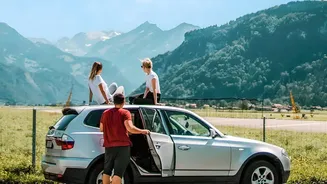
Alongside the rise of flexible work, the humble long weekend has become a cornerstone of the modern Indian travel calendar. The year 2026, for example, is packed with opportunities where public holidays fall adjacent to a weekend, creating natural three-day breaks. Travellers have become adept at what is often called 'trip-stacking'—taking a single day of leave to bridge a holiday with a weekend, turning a short break into a four or even five-day mini-vacation. Travel planners and publications now regularly release 'long weekend calendars' to help people strategise their leaves for the year. This predictable cadence of breaks throughout the year allows for more frequent, smaller trips, shifting the focus from one or two big holidays to a continuous cycle of getaways designed for relaxation and exploration.
The Rise of 'Bleisure' and 'Workations'
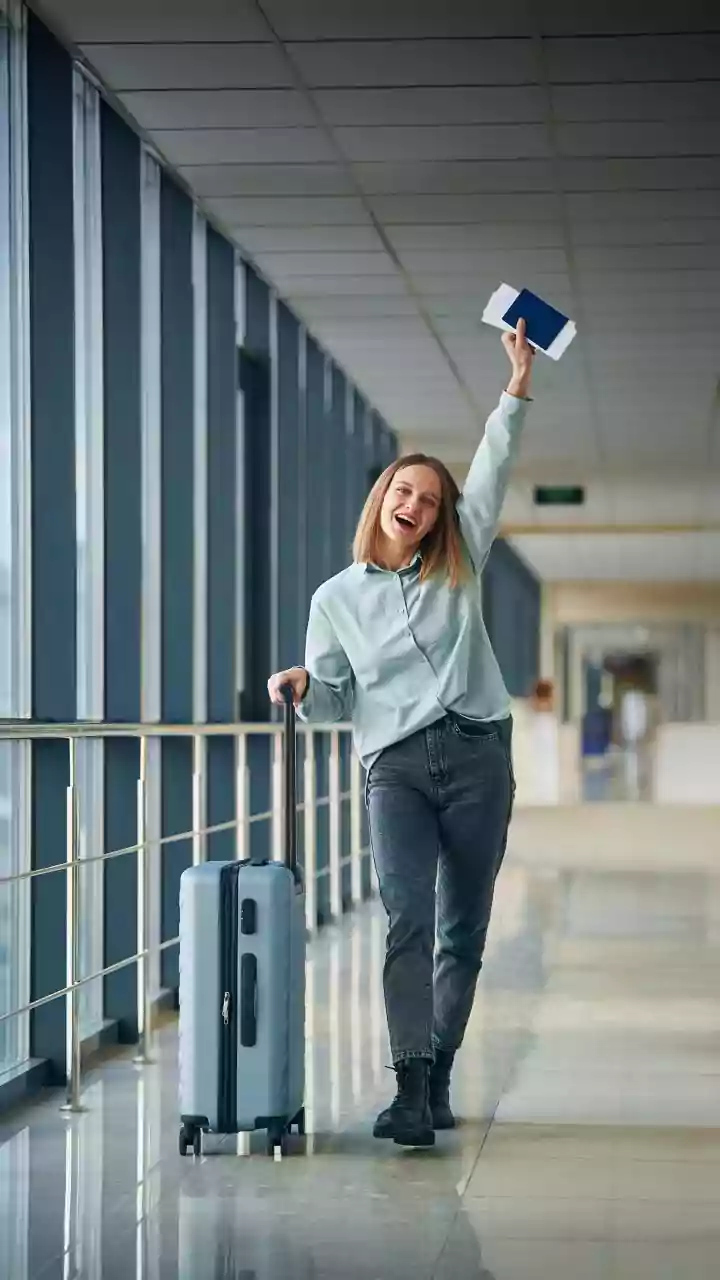
When flexible work meets a long weekend, a powerful new travel trend is born: the 'bleisure' trip, a portmanteau of business and leisure. India is leading this global trend, with professionals taking an average of 7.4 bleisure trips per year, well above the global average. Surveys show that a staggering 77% of business travellers in the Asia-Pacific region now extend their work trips for leisure, with Indians being the most enthusiastic adopters. This often involves flying out for a meeting on a Thursday, working from a hotel or co-working space on Friday, and then using the weekend to explore the destination. The line between a work trip and a vacation blurs, creating what many now call a 'workation'. This trend is particularly beneficial for professionals looking to maximise their time and budget, as it combines the cost-efficiency of a single journey with the mental health benefits of a getaway.
A Shot in the Arm for Domestic Tourism
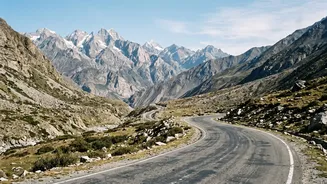
This boom in short trips is transforming India's domestic tourism landscape. The demand is no longer just for major tourist hubs, but also for destinations within a few hours' drive of metropolitan centres like Bengaluru, Pune, and Hyderabad. Hill stations, beach towns, and heritage sites are seeing a surge in weekend visitors. This has spurred growth in the hospitality sector, particularly for boutique hotels, homestays, and resorts that cater to the 'workation' crowd with amenities like highspeed Wi Fi and comfortable workspaces. Post pandemic, domestic travel has seen a massive revival, with the number of domestic tourist visits growing significantly. While pilgrimage and medical travel remain major drivers, leisure travel is increasingly common, especially among urban residents. This shift towards exploring one's own backyard is not just a trend but a significant economic driver, with tourism expected to support over 48 million jobs in India in 2026.