



Balsam: The Classic Monsoon Annual
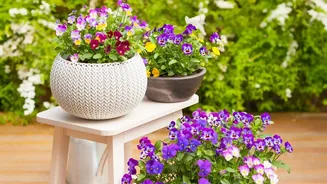
Known fondly as Gulmehndi in India, Balsam (Impatiens balsamina) is one of the easiest and most rewarding flowers to grow during the rainy season. It thrives in the warm, humid conditions from June to September, producing beautiful blooms in shades of pink,
red, white, and purple. Balsam plants are perfect for pots on a balcony that receives partial to full sun for about four to six hours daily. For best results, use a well-draining soil rich in organic compost. While the monsoon showers will take care of most watering needs, ensure the soil remains moist but not waterlogged during dry spells to prevent root rot. It starts blooming within six to eight weeks of sowing, offering a continuous display of colour throughout the season.
Hibiscus: The Tropical Showstopper
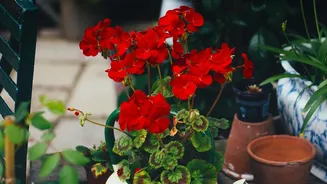
The large, trumpet-shaped flowers of the Hibiscus are an iconic sight during the Indian monsoon. These tropical shrubs adore the humidity and burst into a profusion of blooms in fiery reds, delicate pinks, and sunny yellows, attracting butterflies to your balcony. Hibiscus grows exceptionally well in the rainy season and is a great choice for a sunny spot that gets at least four to six hours of light. It needs plenty of water, especially during its blooming stage, but good drainage is crucial to avoid waterlogged soil. Regular pruning after a bloom cycle can encourage even more flowers, keeping your balcony looking lush and vibrant all season long.
Rain Lily: The Magical Monsoon Bulb
True to its name, the Rain Lily (Zephyranthes) often produces its first blooms within days of the first proper monsoon shower. These charming, low-maintenance bulbs sprout dainty, star-shaped flowers in beautiful shades of pink, white, and yellow. They are perfectly suited for Indian balconies and can be grown easily in pots. Plant the bulbs just before the monsoon begins, between March and May, in well-draining soil. They thrive in spots that receive full to partial sunlight. One of the most interesting aspects of this plant is that a sudden, heavy watering after a dry spell often triggers blooming, perfectly mimicking the effect of rain.
Zinnia: The Cheerful and Hardy Bloom
For a splash of cheerful, daisy-like flowers that can stand up to a downpour, Zinnias are an excellent choice. They come in a vast range of colours, including vibrant pinks, oranges, yellows, and reds. Zinnias are easy to grow from seed and perform exceptionally well in the Indian climate, thriving in strong sunlight and blooming within 60 days of sowing. They make for great container plants and are perfect for a sunny balcony that receives at least six hours of direct light daily. While they are relatively low-maintenance, it's best to water the soil directly rather than the leaves to help prevent fungal issues like powdery mildew.
Cosmos: The Airy and Graceful Flower
With delicate, feathery foliage and blooms that sway gracefully in the breeze, Cosmos adds a touch of whimsy to any balcony garden. These hardy annuals come in shades of pink, white, magenta, and deep orange and are known for being incredibly easy to grow. In many parts of India, the ideal time to sow Cosmos seeds is from July to August, with flowers appearing from late September. They love full sun and, interestingly, often produce more flowers in average soil rather than overly rich, fertilized soil. Taller varieties might need some support during windy or rainy weather to keep them from drooping.
A Note on General Monsoon Care
While the rains bring relief and promote growth, they also present unique challenges. The most critical factor for balcony plants during the monsoon is proper drainage. Ensure every pot has drainage holes to prevent waterlogging, which can lead to root rot. It's also wise to empty any saucers under pots within a day of rain to prevent them from becoming breeding grounds for mosquitoes. While plants in the open rain won't need extra watering, those under a covered section of the balcony will still need to be checked periodically. The high humidity also makes this the perfect time to propagate new plants from cuttings.