






The Humidity Hurdle in Your Kitchen
The primary challenge for bakers during the rainy season is humidity. Ingredients like flour, sugar, and salt are hygroscopic, meaning they readily absorb moisture from the air. This excess moisture can make doughs unmanageably sticky, batters too wet,
and cause cakes to have a dense, gummy texture or even sink in the middle. The dampness can also affect the performance of leavening agents and lead to baked goods that don't rise properly. Understanding this is the first step to counteracting the monsoon's effects on your baking.
Keeping Your Flour and Sugar Dry
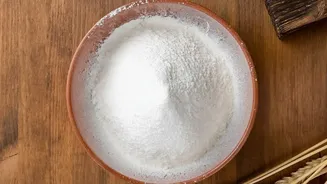
Proper storage is your first line of defense. The paper bags that flour and sugar come in are not sufficient to protect against dampness. Immediately transfer these ingredients into airtight containers. Glass or stainless steel jars are excellent choices as they create a strong barrier against moisture. For extra protection, especially in very humid areas, consider placing a food-safe silica gel packet inside the container or even storing your flour in the refrigerator. If you do refrigerate it, remember to bring the flour to room temperature before using it to ensure your bakes rise correctly. Some traditional methods, like adding a few bay leaves to the flour container, can also help prevent clumping and keep pests away.
Managing Leaveners and Other Ingredients
Leavening agents like baking powder and baking soda can also lose their potency in humid conditions. Store them in tightly sealed containers in a cool, dark place. To test if your baking powder is still active, drop a teaspoon into a bit of hot water; it should fizz vigorously. For baking soda, add a splash of vinegar; it should bubble up immediately. Yeast growth can also accelerate in warm, humid weather, which might lead to over-proofed dough. Some bakers recommend slightly reducing the amount of yeast on particularly humid days to slow down fermentation. Additionally, be mindful of ingredients like brown sugar, which is prone to clumping. Storing it in an airtight container is crucial.
Adjusting Your Recipes for Success
Because your dry ingredients have likely absorbed some ambient moisture, you may need to adjust your recipes. A good rule of thumb is to slightly reduce the amount of liquid—like milk or water—called for in the recipe. Start by cutting back the liquid by about 10-20% and add more only if the dough or batter feels too dry. Conversely, for sticky doughs, you might need to add an extra tablespoon or two of flour until you reach the right consistency. Chilling sticky dough can also make it much easier to handle and shape. Measuring ingredients by weight rather than volume will give you more consistent and accurate results, as it eliminates the variable of moisture content affecting the density of your flour.
Baking and Cooling Strategies
The oven can be your ally against sogginess. To achieve a crisp crust on breads or cookies, preheating your oven thoroughly is key. Some experts even suggest increasing the baking temperature by about 15 degrees and slightly shortening the baking time to help moisture evaporate faster. However, always keep a close eye on your baked goods, as baking times can be unpredictable in humid weather; use a toothpick or cake tester to check for doneness rather than relying solely on the timer. Once your creation is out of the oven, the cooling process is critical. Let everything cool completely on a wire rack. This allows air to circulate underneath and prevents condensation from forming, which is a major cause of soggy bottoms.
Storing Your Finished Bakes
The battle against humidity doesn't end when your treats come out of the oven. Storing baked goods properly is essential to maintain their texture. Items like cookies, biscuits, and anything crunchy should be stored in airtight containers as soon as they have cooled completely. For cakes and pastries, wrapping them tightly in cling film before refrigerating can help preserve their freshness and prevent them from becoming sticky. Using moisture-absorbing packets inside storage containers can also help keep your hard-earned crunchy textures intact.