



A Homecoming 144 Years in the Making
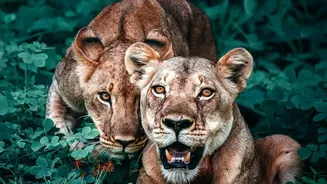
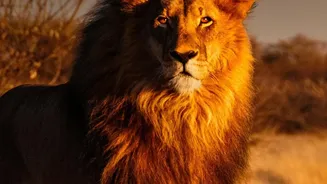
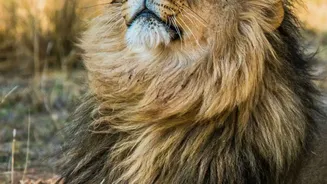
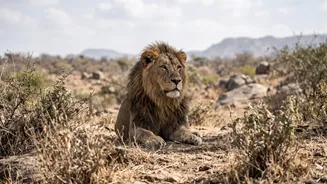
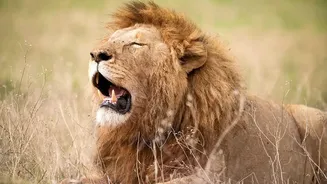
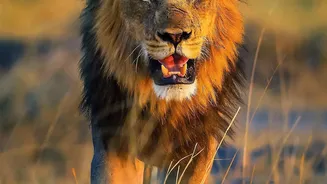
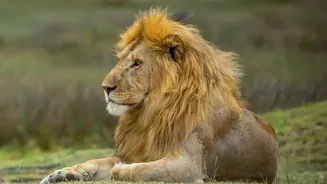
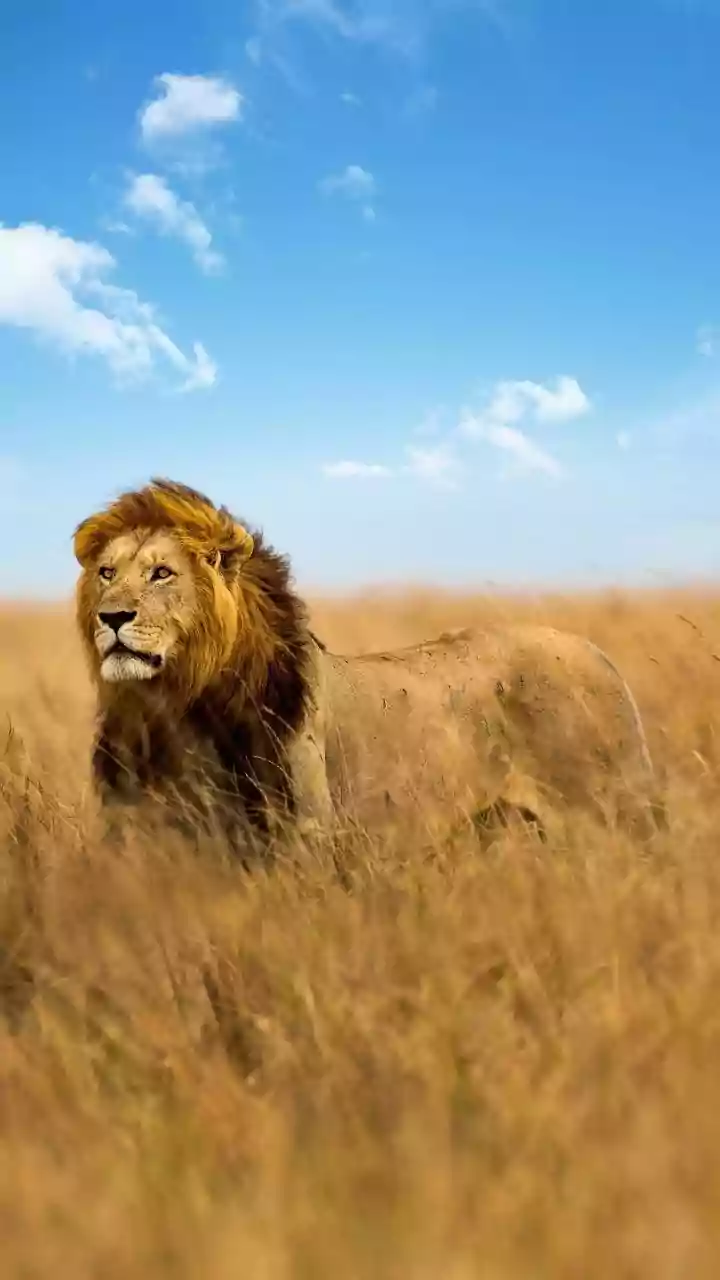
For the first time since 1879, Asiatic lions have re-established a presence in the Barda Wildlife Sanctuary, about 100 km from their only other home in the Gir forest. This recolonisation began in January 2023 when a lone male naturally dispersed from the Gir landscape
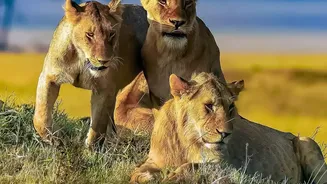
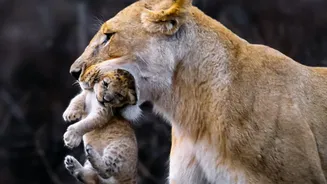
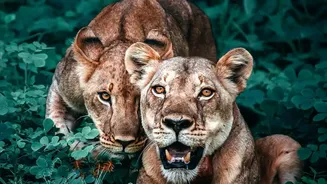
and journeyed to Barda on its own. Recognizing the significance of this event, the Gujarat Forest Department augmented this natural migration by introducing five lionesses to the sanctuary. As of mid-2026, this budding population has grown to 17 individuals, including several cubs, marking a successful first step in establishing a new, permanent home for these iconic big cats.
The Scientific Case for a Second Home
The entire global population of wild Asiatic lions has long been confined to the Gir landscape, a situation conservationists call a high-risk 'single population' scenario. This concentration makes the species dangerously vulnerable to catastrophic events like disease outbreaks or natural disasters. The 2018 canine distemper virus outbreak in Gir, which killed dozens of lions in a short period, served as a stark warning of this existential threat. Establishing a geographically separate, self-sustaining population in Barda is a crucial insurance policy. It diversifies the genetic pool and creates a buffer that ensures the long-term survival of the species, a core objective of the central government's 'Project Lion'.
Preparing the Ground for Royalty
The return of lions to Barda is no happy accident; it's the result of decades of careful ecological planning. The sanctuary, a former private hunting reserve, was identified as a potential second home as far back as 1979. A critical part of the preparation involved habitat restoration and prey base augmentation. Scientific studies noted that for lions to thrive, they need a robust population of wild prey. To address this, authorities have been relocating hundreds of herbivores like chital (spotted deer) and sambar from Gir to Barda, using techniques like the African Boma method to ensure a gentle transition. These efforts aim to reduce the new lion population's reliance on livestock, thereby minimising potential human-animal conflict.
A Living Laboratory for Conservation
The Barda recolonisation provides invaluable scientific insights. To monitor the new population, researchers from the Gujarat Forest Department and other institutions fitted six of the initial lions with radio collars. Between January 2023 and July 2025, these collars generated over 169,000 GPS data points, allowing scientists to study their space usage, habitat preferences, and social dynamics in this new environment. Studies published in the journal PLOS One confirm that the lions are adapting well, establishing home ranges, and preferring mixed forests and grasslands. Dietary analysis shows a primary reliance on wild pigs, supplemented by some domestic cattle, highlighting the ongoing need to bolster the wild prey population.
Challenges on the Path Ahead
Despite the initial success, the long-term viability of Barda as a lion stronghold faces challenges. Ensuring the sanctuary can sustain a growing population requires continuous habitat management and prey population monitoring. A key aspect of this is managing the human element. The government has initiated a voluntary relocation scheme, offering financial packages to pastoralist 'maldhari' families living within the sanctuary to move outside its boundaries. This aims to reduce biotic pressure and create more undisturbed space for wildlife. Continued scientific monitoring, community involvement, and proactive conflict mitigation will be essential to ensure that this historic homecoming becomes a lasting conservation success story.