


The National Water Outlook
India is grappling with significant water stress as the monsoon season concludes. As of late September 2026, the country's major reservoirs were at 70% of their total capacity, which is below both last year's level of 79% and the ten-year average. The
situation is particularly concerning in Southern India, where reservoirs are at just 50% capacity, a steep drop from the previous year. This decline, influenced by erratic rainfall and climbing temperatures, puts immense pressure on water availability for drinking, irrigation, and daily life. While the challenge is national, the solutions can begin at home.
Bathroom Water Wisdom
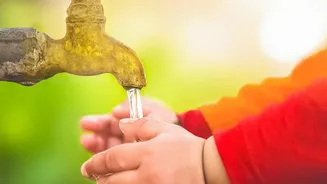
The bathroom is where households often consume the most water. Simple habit shifts can lead to substantial savings. Consider taking shorter showers instead of baths; a five-minute shower uses significantly less water than a full bathtub. Installing water-saving aerators on taps can reduce flow without sacrificing pressure. A crucial and often overlooked issue is leaks. A single dripping tap can waste thousands of litres annually. Regularly check for leaks in taps and toilet cisterns and fix them immediately. A simple way to check for a toilet leak is to put a few drops of food colouring in the tank; if the colour appears in the bowl without flushing, you have a leak. Finally, turn off the tap while brushing your teeth or lathering soap. This small act can save over six litres of water per minute.
The Conscious Kitchen
Your kitchen is another key area for water conservation. Instead of washing fruits and vegetables under a running tap, use a bowl of water. This leftover water can then be used for watering plants. When washing dishes, avoid letting the water run continuously. Scrape dishes first, and if washing by hand, use two basins: one for soapy water and one for rinsing. When it's time to run the dishwasher, make sure it's a full load to maximize efficiency. Many homes now use Reverse Osmosis (RO) purifiers, which generate a significant amount of reject water. This 'wastewater' is not suitable for drinking due to higher concentrations of dissolved solids, but it's perfect for other tasks. Collect it in a bucket and use it for mopping floors, cleaning, or flushing toilets.
Smart Laundry and Household Cleaning
When it comes to laundry, the golden rule is to run your washing machine only with a full load. This ensures you get the most out of the water used in each cycle. For daily cleaning tasks like mopping, reusing RO reject water is an excellent strategy that puts every drop to good use. Similarly, when washing your car or cleaning a balcony, opt for a bucket and cloth instead of a running hose. This simple switch can save a tremendous amount of water that would otherwise just run off into the drain.
Beyond the Tap: Outdoor and General Tips
If you have a garden or outdoor plants, water them early in the morning or late in the evening to reduce evaporation. This ensures that more water reaches the roots of the plants. For those with more space, exploring rainwater harvesting systems can provide a sustainable source of water for gardening and other non-potable uses. At a community level, installing water meters for each household can help monitor consumption and identify areas for improvement. Educating domestic staff about these water-saving measures is also crucial to ensure everyone in the household is contributing to the effort.