


More Than Momos and Thukpa
For many, Ladakhi food begins and ends with momos and thukpa, but that's like saying Indian food is only about samosas. While these Tibetan-influenced dishes are beloved staples, the true essence of Ladakhi cuisine lies in a wider array of dishes shaped
by the harsh, high-altitude desert environment. The food is traditionally simple, nutritious, and not as spicy as mainstream Indian cuisine, designed to provide warmth and energy. Core ingredients include barley (a grain that thrives at high altitudes), whole wheat, and locally grown vegetables like potatoes, carrots, and turnips. These ingredients form the base of many signature preparations that are now finding a new audience.
A Taste of the High Mountains
Among the dishes gaining traction are Skyu and Chutagi. Skyu is a hearty, slow-cooked stew made with thumb-sized pieces of wheat dough cooked with root vegetables and sometimes meat. It’s a comforting one-pot meal, perfect for the cold climate and a favourite among trekkers. Chutagi is another unique pasta-like dish, featuring bow-tie-shaped dough pieces cooked in a rich vegetable or meat sauce. Then there is Khambir, a traditional fermented whole wheat bread with a distinctive thick crust, often eaten with the famous butter tea, or 'Gur Gur Chai'. This salty, buttery brew is an acquired taste for some, but essential for life at high altitude. These dishes tell a story of resourcefulness, sustainability, and a deep connection to the land.
From Leh to the Metropolis
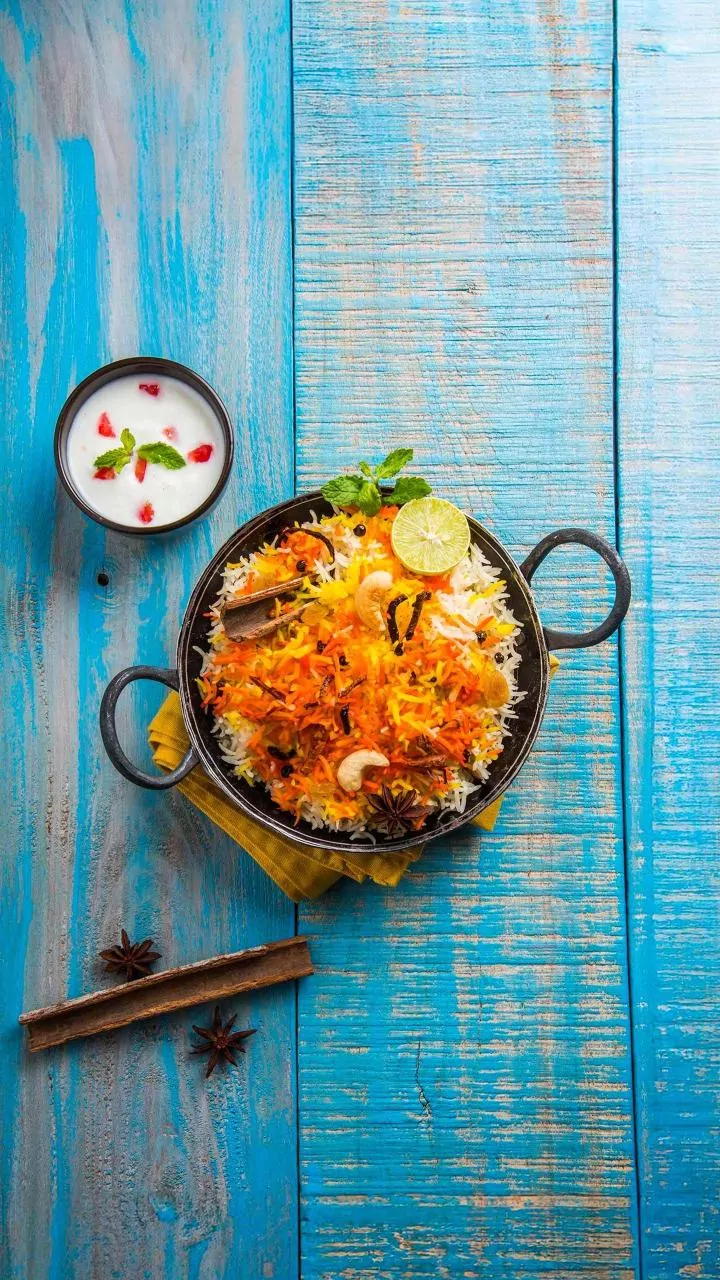
So, why the sudden interest? A major factor is the post-pandemic travel boom that has seen a surge in domestic tourism to Ladakh. More visitors are experiencing authentic local food beyond hotel menus and bringing these new tastes back with them. This growing curiosity is being met by a new generation of Ladakhi chefs and entrepreneurs eager to share their culinary heritage. Chefs like Nilza Wangmo, a Nari Shakti Puraskar awardee, and Kunzes Angmo are bringing authentic Ladakhi flavours to major Indian cities through pop-ups and food festivals in places like Hyderabad, Bengaluru, Mumbai, and Delhi. These events move beyond stereotypes, showcasing a nuanced and diverse menu that includes dishes like Yarkendi Pulao, a dish from the Silk Route, and various creative interpretations of traditional recipes.
A Sustainable and Soulful Cuisine
The principles behind Ladakhi food also align perfectly with modern culinary trends. Its reliance on local, seasonal produce and a philosophy of minimising waste speaks to the global farm-to-table and sustainability movements. The cuisine is a testament to a time when people ate what the land provided, a concept that resonates deeply with conscious diners today. The interest in Ladakhi food is part of a larger movement across India, where diners are increasingly looking inward and exploring the vast culinary diversity within the country's own borders. Restaurants specialising in Himalayan cuisines are finding firm footing in urban centres, creating spaces that celebrate the honest, soulful food of the mountains.