





The Pookalam: Fresh Flowers vs. Lasting Alternatives
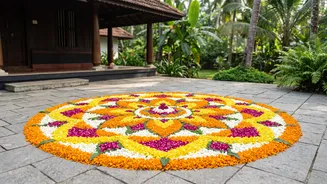
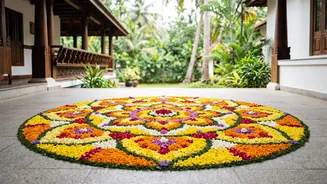
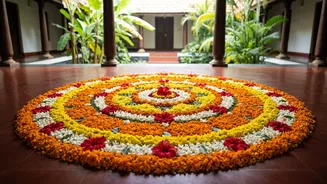
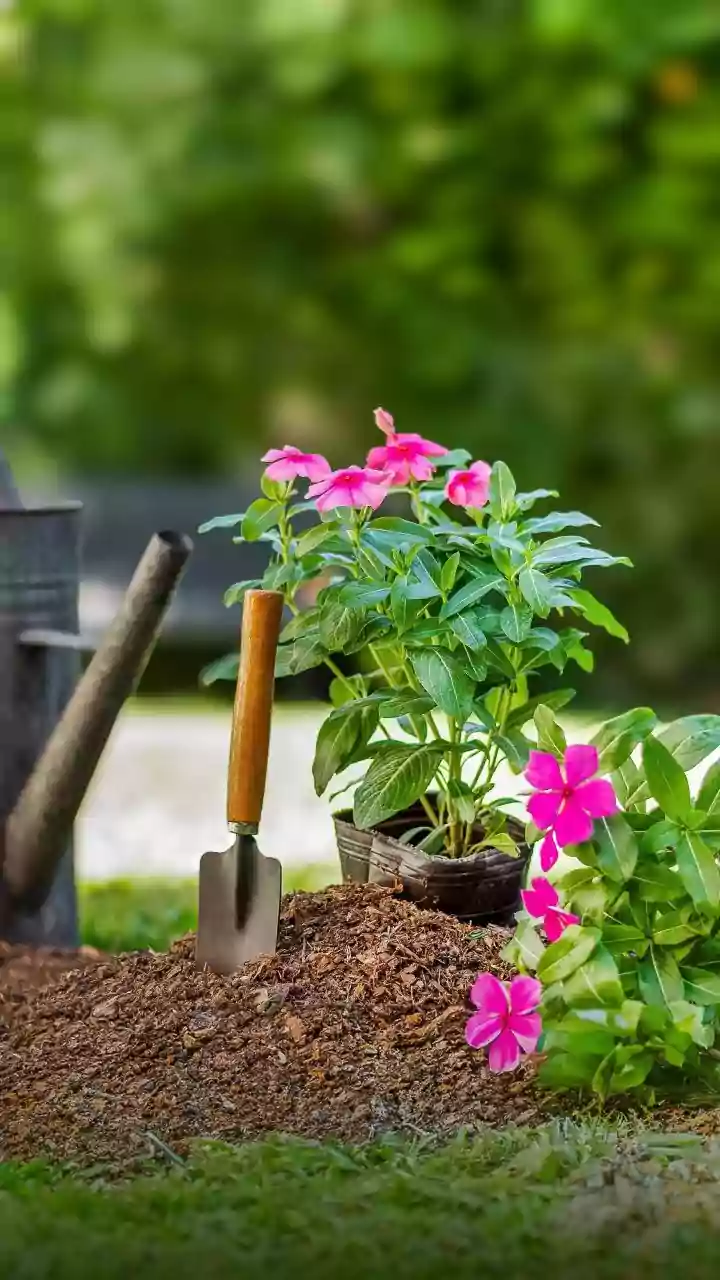
The pookalam, or floral carpet, is the heart of Onam decor, traditionally made with fresh, local flowers and leaves. This is a beautiful, aromatic, and eco-friendly choice, as the flowers are completely biodegradable and can be composted after the festival.
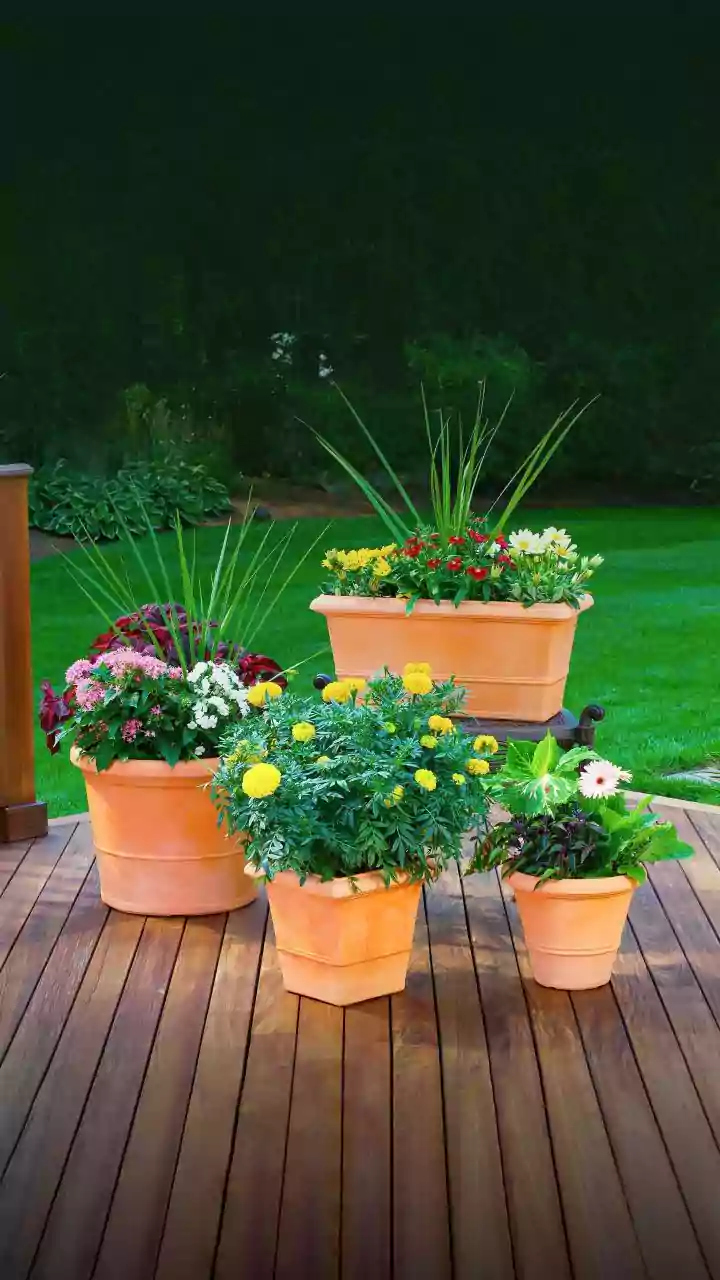
Using locally sourced flowers like marigolds, jasmine, and thumba connects the celebration to nature and tradition. However, the daily effort of creating a new layer and the cost of fresh flowers, which are often imported from neighbouring states, can add up. On the other hand, reusable pookalams are gaining popularity. These often come as pre-arranged mats made of artificial flowers or durable bases where one can arrange synthetic petals. They offer immense convenience—simply unroll and display—and can be a one-time purchase used for many years. This is especially practical for families living in urban areas or abroad where fresh flowers are expensive or scarce. The trade-off is the loss of natural fragrance and the environmental cost of plastic production.
Lighting and Ambiance: Earthen Diyas vs. Electric Lights
The warm glow of lamps is essential to the festive spirit. The traditional choice is the earthen or clay diya, a simple, inexpensive, and eco-friendly option. These terracotta lamps, along with brass nilavilakku, create an authentic and serene atmosphere that electric lights struggle to replicate. They are biodegradable and support local artisans. The disposable aspect here is natural and returns to the earth. In contrast, reusable electric string lights (often called fairy lights) offer convenience, variety in colour and design, and a brighter, more modern look. While they are a multi-year investment, they consume electricity and contribute to light pollution. The plastic and electronic components also create non-biodegradable waste at the end of their life, posing a greater environmental challenge than a simple clay lamp.
Thorans and Garlands: Natural vs. Synthetic
Doorway hangings, or 'thorans', are a welcoming symbol. Traditionally, these are made from fresh mango leaves and marigold flowers. They are entirely biodegradable, cost very little, and add a touch of rustic charm. However, they are disposable and last only a few days. Reusable alternatives include thorans made of plastic, beads, cloth, or metal. These can be more elaborate and durable, lasting for several festive seasons. While the upfront cost is higher, they can be more economical in the long run. The key consideration is the material; a fabric or metal thoran is a more sustainable reusable choice than a plastic one, which contributes to the demand for fossil-fuel-based products.
The Sadhya Feast: Banana Leaves vs. Modern Plates
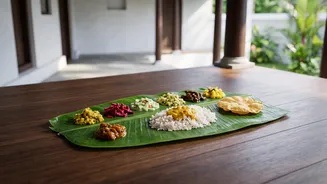
The Onam sadhya, a grand feast, is traditionally served on a fresh banana leaf, or 'thooshanila'. This is the ultimate disposable plate: it's organic, biodegradable, and imparts a subtle flavour to the hot food served on it. However, with increasing demand, prices for quality banana leaves can soar during the festival season, sometimes reaching ₹10 or more per leaf. In response, some opt for disposable paper or plastic plates for convenience, especially for large gatherings. While paper plates can be compostable, laminated or plastic versions add to landfill waste. An eco-friendly disposable alternative gaining traction is plates made from areca leaf, which are biodegradable. Reusable options include standard dining plates, which require washing. This involves labour and water, but avoids waste entirely. Another modern alternative is the 'paper banana leaf', a food-safe paper printed to look like a real leaf, offering a blend of tradition and convenience.
Cost, Effort, and Environmental Impact
When choosing, consider the three main factors: cost, effort, and environmental impact. Disposable decorations, especially natural ones like flowers and leaves, have a low initial cost but are a recurring expense. Reusable decorations typically have a higher upfront cost but save money over the years. In terms of effort, traditional disposable decor like fresh pookalams requires daily attention, while reusable options are often quicker to set up and store. Environmentally, the lines are blurred. Natural disposable items like flowers and banana leaves are perfectly sustainable as they are compostable. The problem arises with man-made disposables like plastic plates and decor. Reusable items reduce landfill waste but their manufacturing process, especially for plastics, has its own carbon footprint. The most sustainable choice often involves a blend of both: embracing reusable items made from durable, natural materials like metal and fabric, and supplementing them with traditional, biodegradable disposables like fresh flowers and clay lamps.