





From Adda to Admin Tasks
Kolkata’s identity is deeply intertwined with 'adda'—long, informal conversations held over cups of tea or coffee, a cultural practice that has shaped its intellectual and social fabric for over a century. These sessions, traditionally held in neighbourhood
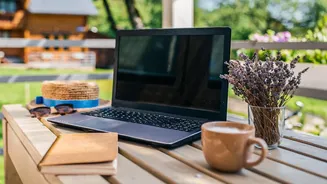
tea stalls and iconic venues like the Indian Coffee House, were arenas for passionate debate on everything from politics to cinema. But walk into many of the city's cafés today, especially in areas like Ballygunge, Salt Lake, or Hindustan Park, and you'll witness a different kind of energy. Laptops are open, headphones are on, and patrons are engrossed in spreadsheets and video calls. The café has evolved from a social hub into a quasi-office, a 'third place' that serves the practical needs of a workforce no longer tied to a traditional office. This isn't a replacement of adda, but an evolution; a parallel culture emerging from the new realities of work.
The New Workstation Wishlist
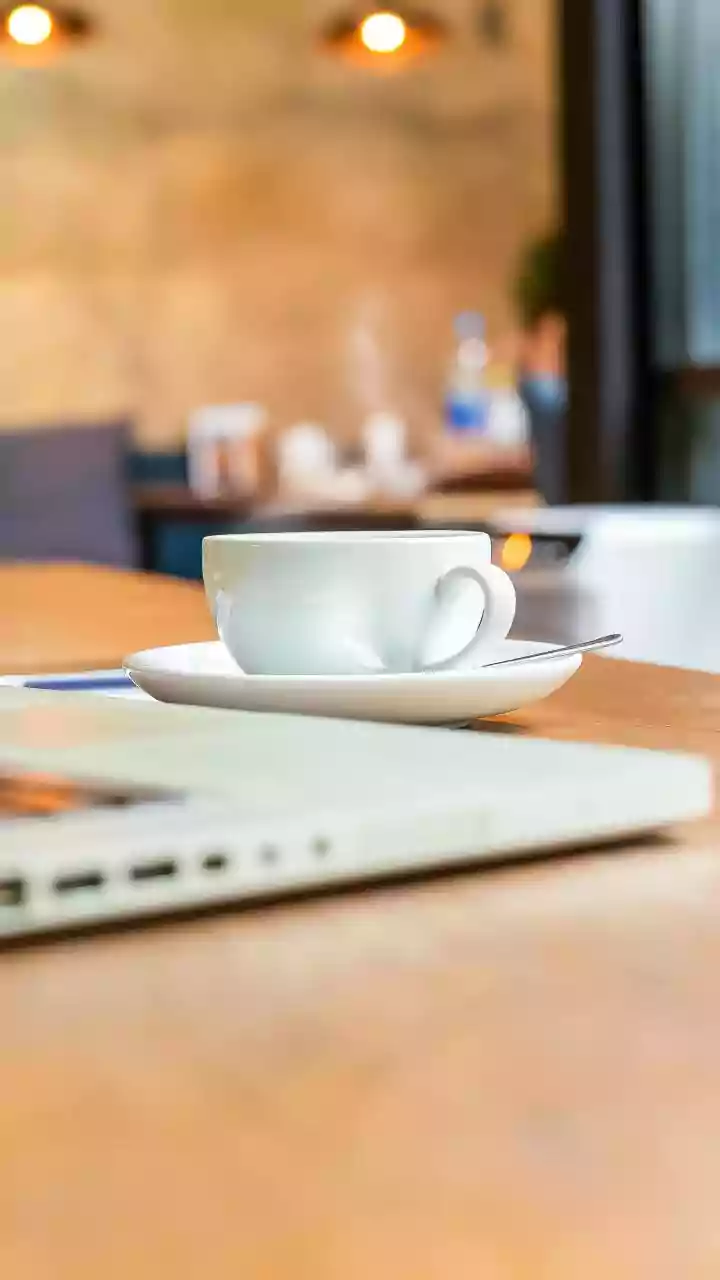
For the remote worker, a café is more than just a place to get a beverage; it's a productivity hub. The primary driver for this shift is the need for a change of scenery from the monotony of working from home. This new clientele has a specific checklist: high-speed, reliable Wi-Fi is non-negotiable. Ample power outlets, comfortable seating designed for longer stays, and a relatively quiet atmosphere are equally crucial. Cafés that successfully cater to this demographic, like Blue Tokai Coffee Roasters, 8th Day Café & Bakery, and Artsy, have become popular haunts. They offer not just the essential infrastructure but also an ambience that fosters focus. The menu also plays a role, with offerings that can sustain a person through several hours of work, from artisan coffees to all-day food options.
A New Business Model Emerges
The fusion of café culture and remote work is reshaping how these businesses operate. While the influx of professionals offers a steady stream of weekday customers, it also presents a challenge. The 'laptop squatter'—a customer who occupies a table for hours on a single order—can strain a café's business model, which often relies on table turnover. In response, a new breed of 'work-friendly' or 'co-working' cafés is emerging. Some establishments like Motherland Café have dedicated floors for professionals, while others, such as CoLAB, are designed as hybrid spaces that blend community, comfort, and privacy. These venues often provide amenities like printers, conference rooms, and even special menus for working guests. This model acknowledges that remote workers are not just customers but a distinct user base with specific needs, turning a potential problem into a new revenue opportunity.
Balancing Ambience and Accounts
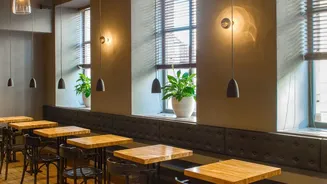
For many café owners, striking the right balance is key. They aim to create an environment that is welcoming to both the remote worker seeking focus and the friends meeting for a chat. Some cafés have implicitly designated zones, with high-top counters for solo workers and comfortable lounge seating for groups. Others have adopted subtle policies, such as a minimum spend or gentle reminders about table occupancy during peak hours, to ensure fairness and profitability. Pet-friendly cafés like Mrs. Wilson's Café offer another unique proposition, allowing workers to bring their furry companions along. Ultimately, the most successful cafés are those that understand and adapt to this new dynamic, recognising that today's worker might be tomorrow's loyal customer who returns with friends on the weekend. The goal is to cultivate a community, not just serve a transient workforce.