









Decoding the Renewed Nutrition Strategy
India's effort to enhance child nutrition is channelled through the Pradhan Mantri Poshan Shakti Nirman (PM POSHAN) scheme, the world's largest school feeding program. The "new push" isn't a single, sudden policy but a multi-faceted reinforcement of this
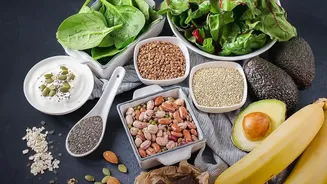
existing framework, focusing on improving the quality and nutritional value of meals served to nearly 11.8 crore children. A key element is the nationwide distribution of fortified rice—blended with iron, folic acid, and vitamin B12—through all central food security schemes, including school meals. This initiative aims directly at combating high rates of anaemia and micronutrient deficiencies that are widespread among Indian children. Alongside fortification, there is a growing emphasis on diversifying the food basket with locally sourced, climate-resilient grains like millets, which offer superior nutritional profiles compared to rice and wheat.
Why the Change is Happening Now
Despite economic growth, India faces a severe and persistent child malnutrition crisis. The country has one of the world's highest rates of child wasting (low weight for height) at 18.7%. Furthermore, data from the National Family Health Survey (NFHS-5) showed that 35.5% of children under five were stunted (low height for age), and over half of women aged 15-49 were anaemic. These figures represent a significant public health challenge that impacts not just physical growth but also cognitive development and school performance. A recent policy roadmap launched by experts, including the Indian Council of Medical Research (ICMR), highlighted the urgency of creating healthier school food environments to combat not only undernutrition but also rising rates of childhood obesity and early-onset diabetes. The current push is a direct response to this double burden of malnutrition.
What's New on the Menu?
The PM POSHAN scheme sets nutritional standards—450 calories and 12 grams of protein for primary students, and 700 calories and 20 grams of protein for upper primary. However, states have the flexibility to design their own menus to meet these targets. The most significant change for many children will be the introduction of fortified rice. Additionally, several states are actively incorporating millets into their school meals. For instance, Odisha announced plans to serve millets twice a week. Studies have shown that millet-based meals can significantly boost child growth. The push also encourages the development of 'School Nutrition Gardens' to supply fresh, local vegetables for the meals, making them more nutritious and teaching children about food sources. The inclusion of items like eggs or milk remains a state-level decision, with alternatives like pulses and soy provided where they are not on the menu.
More Than Just Food on a Plate
The goals of the nutrition push extend far beyond the lunch plate. Improved nutrition is directly linked to better educational outcomes. Regular, nutritious meals are proven to increase school enrolment, boost daily attendance, and improve concentration in the classroom, which is a core objective of the PM POSHAN scheme. Studies have shown that the benefits are even intergenerational; women who received school meals have children with better growth outcomes. By promoting social equity—as children from all backgrounds eat together—the program also helps break down caste and class barriers. Furthermore, the emphasis on procuring local grains like millets provides a stable market for local farmers, supporting rural livelihoods and promoting agricultural biodiversity.
Challenges in Implementation
Executing such a large-scale nutritional overhaul is not without challenges. Ensuring consistent quality and preventing leakages in the supply chain remains a primary concern. The introduction of fortified foods has also stirred debate, with some health advocates raising concerns about potential side effects in certain children and calling for more rigorous evaluation. Food inflation can strain budgets, potentially affecting the quality and quantity of meals if funding is not adjusted accordingly. Another significant hurdle is the administrative capacity required for effective monitoring. A recent report from ICMR and UNICEF recommends annual assessments of school food environments and issuing health and nutrition report cards for every student to track progress and identify risks systematically. Successfully navigating these logistical and policy challenges will be critical to achieving the program's ambitious goals.