

Beyond the Forts and Palaces
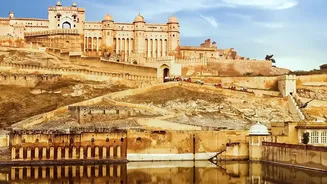
For decades, Rajasthan tourism has been synonymous with whirlwind tours of majestic forts, opulent palaces, and bustling city bazaars. While these attractions remain popular, a new kind of travel is taking root, driven by young Indians from cities like
Mumbai, Delhi, and Bengaluru. They are bypassing the crowded highlights for something deeper: extended stays in rural villages and smaller towns. This trend is moving beyond seeing the sights to experiencing a way of life. The focus is less on ticking off landmarks and more on a meaningful exchange, turning a vacation into a period of personal growth and connection. Tour operators report a significant rise in bookings for curated, local-led trips that prioritize cultural immersion, with some noting that nearly 78% of their bookings in 2026 included such experiences.
The Search for Tangible Skills
In a world dominated by screens and digital outputs, there's a growing desire for tangible, hands-on skills. Young professionals, often from creative and tech fields, are using their time off to learn age-old crafts directly from master artisans. Weeks are spent in workshops learning the intricacies of Bagru block-printing, the secrets of Jaipur's Blue Pottery, or the delicate art of miniature painting in Udaipur. These are not just casual classes; they are immersive apprenticeships. Organizations and residencies across the state now cater specifically to this, offering structured interactions with award-winning artisans. This 'investment' is in acquiring a skill that feels real and enduring, a welcome contrast to the often-ephemeral nature of corporate work.
An Antidote to Urban Burnout
The relentless pace of city life and the pressures of 'hustle culture' have left many feeling drained and disconnected. For them, Rajasthan offers a powerful antidote: slow travel. This is about more than just a change of scenery; it’s a change of rhythm. Instead of rushing, the goal is to settle in, observe, and participate in the daily life of a community. Weeks-long stays allow for a genuine digital detox, where the constant barrage of notifications is replaced by the sounds of a rural morning or the quiet concentration of a craft. This slower pace is seen as essential for mental well-being, helping to regulate the nervous system and providing a sense of achievement and balance that a typical holiday often can't.
Connection Over Content Creation
While social media has inspired travel, this new trend focuses on connection over content. The goal is not just to capture the perfect photo, but to build genuine relationships. By living in homestays or artist residencies for weeks at a time, travelers are able to move beyond transactional tourism. They share meals with local families, learn ancestral recipes, and engage in conversations that bridge cultural divides. These interactions, hosted by a culture renowned for its hospitality, provide a sense of belonging and authenticity that a hotel stay rarely can. It’s a shift from being a spectator to becoming a temporary part of the community, fostering a deeper understanding of both the place and oneself.
The Rise of the Immersive 'Workation'
The post-pandemic rise of flexible and remote work has been a key enabler of this trend. Young city dwellers are no longer limited to a few weeks of annual leave. They can now transport their laptops to a quiet haveli or a rural homestay, blending their workday with cultural exploration. This allows them to extend their stays from a few days to several weeks, making a deep dive into the local culture financially and logistically feasible. This model allows for work-life integration on their own terms, where a morning meeting can be followed by an afternoon pottery class or a walk through a village. It represents a re-imagining of both work and travel, designed for a generation that values experiences and flexibility over rigid routines.