






The Old Canteen Culture
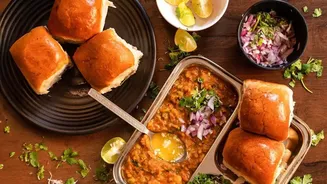
For decades, the rhythm of a workday in Maharashtra's government and semi-government offices was often punctuated by breaks for hot, oily snacks. Batata vadas, pakodas, and samosas, accompanied by sweet, milky tea, were staples. While beloved, this diet,
rich in carbohydrates, unhealthy fats, and sugar, has been a growing concern. Health officials noted a significant rise in lifestyle diseases such as diabetes, high blood pressure, and heart conditions among employees, with some estimates suggesting that at least 20% of staff in the Mantralaya (the state's administrative headquarters) suffer from high blood pressure or diabetes. This recognition set the stage for a much-needed nutritional intervention.
What's on the New Menu?
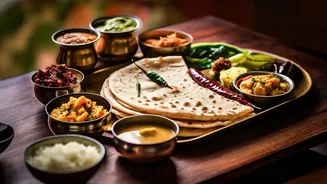
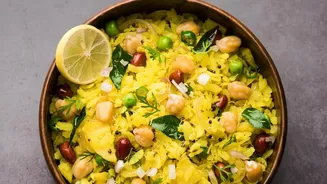
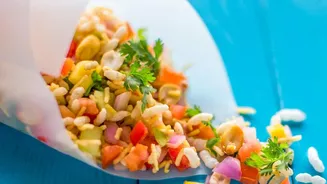
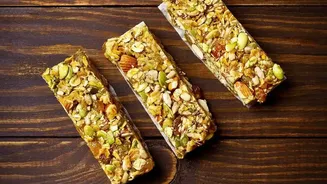
The state has mandated a comprehensive overhaul of canteen menus and food served during official events. The new policy, approved by the state cabinet, prioritises nutritious and balanced meals. Fried items are being phased out in favour of healthier choices like seasonal fruits, boiled eggs, and sprouted pulses. Traditional Maharashtrian foods are making a major comeback, including bhakris made from millets like jowar, bajra, and ragi. Other recommended items include poha, idli-sambar, upma, millet khichdi, and thalipeeth. For longer meetings, the menu may feature multigrain chapatis, brown rice, dal, usal, and leafy vegetables, with fruits offered as a healthier dessert alternative.
A Top-Down Push for Health
This dietary transformation is the result of a deliberate government policy aimed at improving the well-being of its workforce. The directive was issued by the state's Public Health Department through a formal Government Resolution (GR). The new menus are designed to align with guidelines from the Indian Council of Medical Research-National Institute of Nutrition (ICMR-NIN) and the Food Safety and Standards Authority of India (FSSAI). The goal is to make healthy eating an integral part of daily life for government employees, reduce the prevalence of non-communicable diseases, and set a positive example for society. To ensure compliance, departments must now include provisions for healthy menus in all new catering contracts and appoint nodal officers to oversee implementation.
Championing Millets and Local Produce
A key feature of the new food policy is the prominent inclusion of millets, or 'Shree Anna'. This aligns with a broader national and state-level push to revive these ancient grains, which are drought-resistant and highly nutritious. By promoting jowar, bajra, and ragi bhakris and khichdi, the government is not only boosting employee health but also supporting local farmers and sustainable agriculture. The emphasis on seasonal fruits and local vegetables further reinforces this connection to regional produce. This initiative follows the successful International Year of Millets, which spurred efforts across India to integrate these superfoods back into the mainstream diet.
Early Implementation and Broader Impact
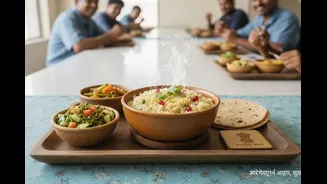
The changes have already begun rolling out, with the Mantralaya canteen in Mumbai leading the way. Healthier options like fruits, boiled pulses, green tea, and dal have been introduced, successfully reducing the availability and consumption of oily snacks. The policy extends beyond canteens to all government meetings, training programmes, and official conferences. Officials hope this “nudge” towards a wholesome diet within the government machinery will inspire a similar cultural shift in wider society. By making nutritious food the default option at work, the state is investing in the long-term health of its employees and creating a model for workplace wellness that other states and private organisations might follow.