






The Old Map vs. The New Reality
For decades, the path to Southeast Asia for most Americans involved a pricey flight on a legacy carrier from a massive hub like New York (JFK), Los Angeles (LAX), or Chicago (ORD). If you lived in a “tier-2” city—think Cleveland, St. Louis, or Orlando—you
first had to pay for a connecting flight to one of these hubs, adding time and significant cost to your journey. The dream of Bangkok, Ho Chi Minh City, or Singapore felt reserved for those with deep pockets or proximity to a coastal mega-airport. That map is being redrawn. A combination of new, hyper-efficient aircraft, ambitious low-cost carriers, and shifting travel demands is creating new pathways. While you still won't find a non-stop budget flight from Nashville to Phuket, the concept of an easy, affordable one-stop itinerary is becoming a reality for millions more travelers.
The 'Hop-and-Skip' Strategy
The biggest change isn’t a single airline offering a miracle route, but rather a new way of connecting the dots. The strategy involves two key parts. First, low-cost transatlantic carriers like Norse Atlantic Airways are creating affordable bridges from smaller U.S. airports to major European hubs like London, Paris, and Oslo. They operate a fleet of modern Boeing 787 Dreamliners, offering a no-frills but comfortable way to cross the pond without breaking the bank. Second, from these European hubs (and Middle Eastern hubs like Doha and Abu Dhabi), a host of competitive airlines offer onward flights to Southeast Asia. Recent announcements show Norse Atlantic significantly boosting its service to Thailand from its European bases in response to strong demand. By booking a flight from, for example, Fort Lauderdale to London on Norse, and then a separate ticket from London to Bangkok on another carrier, savvy travelers can construct an itinerary for a fraction of the traditional cost.
Asian Budget Carriers Eyeing America
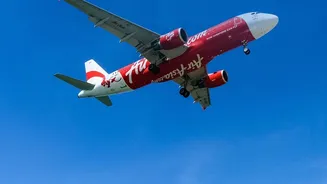
The other side of the equation involves Asia's own budget giants. Carriers like Vietnam's Vietjet and Malaysia's AirAsia have long dominated regional travel and are now setting their sights on the lucrative U.S. market. Vietjet has been vocal about its plans for U.S. expansion, backed by massive aircraft orders from Boeing and Airbus and major financing deals with U.S. firms. While their initial routes will likely focus on West Coast hubs like Los Angeles and San Francisco, the goal is clear: connect their vast Asian network directly to American travelers. The arrival of these carriers will introduce new price competition, particularly for West Coast travelers, which has a ripple effect on fares nationwide. Even legacy carriers are adapting; Alaska Airlines recently expanded its codeshare agreement with Korean Air to include connecting flights to Hanoi, Ho Chi Minh City, and Bangkok, streamlining travel from its U.S. network.
Finding the Deals: A How-To Guide
Unlocking these new low fares requires a shift in mindset from the traditional round-trip search. First, embrace the “repositioning” flight. Use a budget airline like Spirit or Southwest to get to a U.S. city that a low-cost long-haul carrier serves—think New York, Fort Lauderdale, or Los Angeles. Second, use powerful flight aggregators like Google Flights, Skyscanner, and Momondo. Use their “multi-city” or “open jaw” features to piece together separate one-way tickets. Look for deals on airlines like Japan's ZIPAIR, which offers a budget route from the West Coast to Tokyo, a perfect jumping-off point for the rest of Asia. Finally, be flexible. The best deals are often found by flying on Tuesdays or Wednesdays and traveling during the shoulder seasons (the months just before and after the peak season).
The True Cost of 'Budget'
Of course, these low base fares come with trade-offs. Budget long-haul is a pay-for-what-you-use model. That rock-bottom price gets you a seat and a personal item. Checked baggage, carry-on bags, seat selection, meals, and even a blanket will all cost extra. It's crucial to factor in these ancillary fees when comparing prices. A $400 fare can quickly become $600 once you add a checked bag and a meal for each leg of the journey. For many, the savings are still substantial and well worth the lack of frills. The experience is for the traveler who prioritizes the destination over the journey, who is willing to pack a sandwich and wear a backpack to spend an extra week exploring the wonders of Southeast Asia.