






Humidity: The Real Wardrobe Villain
While we blame the rain for our wardrobe woes, the real culprit is humidity. High moisture in the air makes it difficult for sweat to evaporate, leaving you feeling sticky and uncomfortable. It also means that when your clothes get wet, they stay wet for much
longer. This is why fabric choice becomes paramount. The key attributes to look for are breathability, allowing air to circulate, and quick-drying properties. Fabrics that excel in these areas will keep you feeling fresh and prevent the growth of odour-causing bacteria that thrives in damp conditions.
The Surprising Problem with Pure Cotton
For many, cotton is the default choice for comfort. While it's incredibly breathable, pure, heavy cotton is a poor performer during the monsoon. It is highly absorbent, meaning it soaks up moisture from the air and from perspiration, becoming heavy and taking a very long time to dry in humid conditions. This can lead to that dreaded damp, musty smell and can even cause skin irritation. While lighter cottons like voile can work, you're often better off saving your favourite heavy cotton kurtas and jeans for drier days.
Monsoon-Ready Fabric Champions
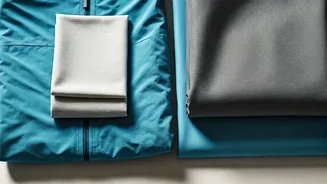
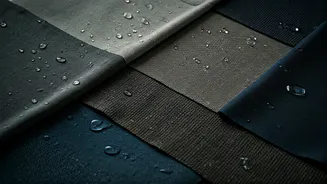
To conquer the damp, turn to fabrics that are either synthetic or cleverly blended. Polyester is a rain-friendly hero because its synthetic fibres are hydrophobic, meaning they repel water instead of absorbing it. This allows it to dry incredibly quickly. Nylon is another excellent choice, primarily used in outerwear like raincoats for its water-resistant and durable nature. Rayon, a semi-synthetic fabric, is celebrated for being lightweight and breathable, drying faster than cotton and draping beautifully without clinging. Crepe, often made from synthetic fibres, is also a fantastic option as it doesn't stick to the body when wet and holds its shape.
Natural Fibres That Make the Cut
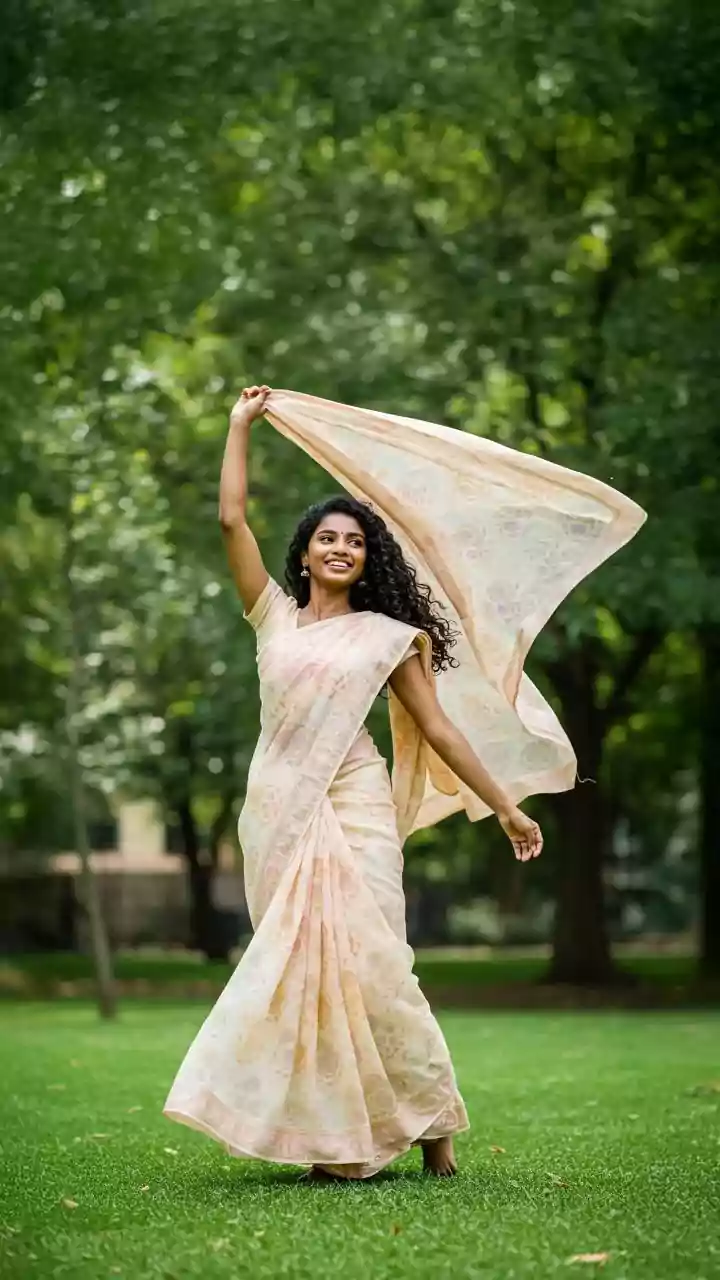
If you prefer natural fibres, not all is lost. The key is to choose wisely. Linen is an outstanding choice for the monsoon. It is exceptionally breathable and is the fastest-drying natural fabric, often outperforming even lightweight cotton. While it wrinkles, this relaxed look is perfectly suited for the season. Another smart strategy is to opt for blends. Cotton-polyester or cotton-linen blends offer the best of both worlds: the comfort and breathability of the natural fibre combined with the quick-drying, moisture-wicking properties of the synthetic or linen component.
Fabrics to Keep Packed Away
Certain fabrics are best avoided until the monsoon passes. Heavy denim is a primary offender; its thick cotton weave absorbs a massive amount of water and can take days to dry. Pure silk is another fabric to be wary of, as it loses strength when wet and is notorious for developing permanent water spots. Wool, while excellent for winter, is far too insulating for humid weather and will feel heavy and uncomfortable if it gets damp. Similarly, velvet and other thick, plush fabrics are best reserved for cooler, drier climates.
Style Tips Beyond the Fabric
Your monsoon strategy isn't just about material. Consider the silhouette of your clothing. Opt for shorter lengths like knee-length dresses, skirts, and cropped trousers to avoid dragging your hems through puddles and mud. Darker colours and busy prints are more forgiving than light solids as they help camouflage any accidental splashes or water marks. Lastly, loose, flowy fits are your friend. They allow for better air circulation against your skin, helping you stay cooler and drier than tight, restrictive clothing.