








A Widespread, Silent Shortage
Vitamin B12 deficiency is emerging as a significant public health issue in India, with some studies indicating that prevalence among the general population could be as high as 47%. Among vegetarians, this figure is believed to be much higher, with some reports
suggesting up to 80% may have insufficient levels. This is not a new problem, but the focus has intensified as awareness grows around the long-term health consequences, which can be severe and sometimes irreversible if not addressed early. The symptoms often develop slowly over years, starting with vague fatigue and weakness, making it easy to miss until more serious signs appear.
The Vegetarian Dilemma: Where's the B12?
The core of the problem lies in the very nature of Vitamin B12. It is an essential nutrient, crucial for healthy nerve function, DNA synthesis, and the formation of red blood cells. However, it is almost exclusively found in animal-derived products like meat, fish, eggs, and dairy. Plants do not produce or require Vitamin B12, so a diet based on them naturally lacks this key nutrient. For a country where a significant portion of the population follows a vegetarian diet for cultural, religious, and ethical reasons, this creates a unique and widespread vulnerability to deficiency.
Isn't Dairy and Curd Enough?
A common belief is that a lacto-vegetarian diet, which includes milk, paneer, and curd, provides adequate B12. While these foods do contain B12, Indian dietitians are concerned that they are often not enough to meet daily requirements for several reasons. For one, the amount of B12 in dairy can be modest. For example, a cup of milk provides around half of the daily recommended intake, but this assumes consistent, daily consumption in sufficient quantities. Furthermore, traditional practices like boiling milk can reduce its B12 content. While items like cheese and yogurt contribute, relying solely on dairy to prevent a deficiency is proving to be a flawed strategy for a large part of the population.
The Risks of Unchecked Deficiency
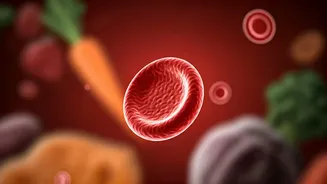
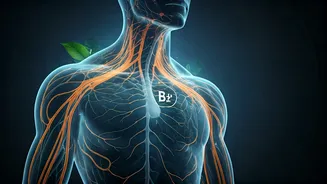
Initial symptoms of B12 deficiency can be subtle, such as fatigue, weakness, pale or yellowish skin, and a sore tongue. However, as the deficiency persists, the consequences become far more serious. Neurological symptoms are a major concern for dietitians and doctors. These can include a pins-and-needles sensation in the hands and feet (paresthesia), difficulty with balance, memory loss, and changes in mood like depression and irritability. If left untreated for a long time, some neurological damage can become permanent. The deficiency can also lead to a type of anemia called megaloblastic anemia, where the body cannot produce enough healthy red blood cells.
The Dietitian's Modern Playbook
In response to this growing health concern, Indian dietitians are shifting their focus from simply recommending dairy to a more proactive, modern approach. The first step is encouraging testing to identify a deficiency. For management, they increasingly recommend two key strategies. First is the inclusion of fortified foods. Products like breakfast cereals, soy milk, and almond milk are now often fortified with Vitamin B12, providing a reliable source for those on plant-based diets. The second, and often most crucial, recommendation is supplementation. For many individuals, especially those with existing deficiencies or those following a strict vegetarian or vegan diet, daily B12 supplements are the most effective way to ensure adequate intake and prevent long-term health problems.