



The Journey Isn’t Over at Splashdown
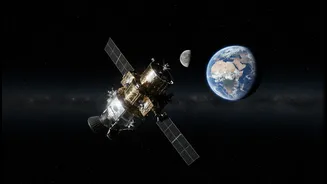
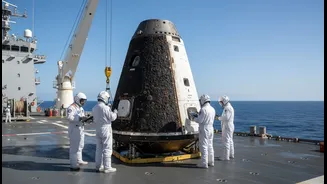
After its historic 10-day journey around the Moon, the Orion spacecraft successfully splashed down in the Pacific Ocean. For the four astronauts aboard, it was the end of a remarkable voyage. For the engineers and scientists at NASA, however, splashdown
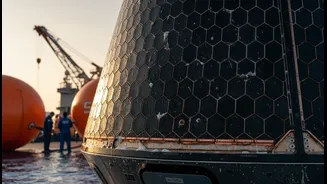
was just a beginning. The spacecraft, a treasure trove of information, was carefully recovered and transported back to NASA's Kennedy Space Center. There, a painstaking process of analysis begins, one that is arguably as important as the flight itself for the future of human space exploration. Every component, from the crew seats to data recorders and suit umbilicals, is removed and assessed, turning the flown hardware into a roadmap for future missions.
From Terabytes to Truth
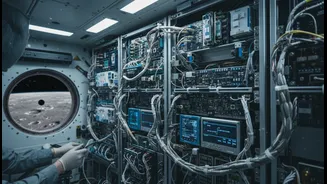
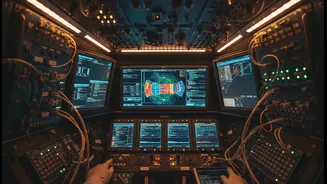
During its flight, the Orion spacecraft, equipped with over a thousand sensors, generated an immense amount of data—far more than the entire printed collection of the Library of Congress. These sensors tracked everything: temperatures, pressures, radiation levels, and the performance of thousands of components. But raw data can be deceptive. A sensor might report a temperature spike, but what does that number actually mean in physical terms? This is where post-flight analysis becomes critical. Engineers now have the unique opportunity to match the flight data with the physical evidence left on the spacecraft. It's the difference between reading a book about a journey and examining the traveller's worn-out boots.
Decoding the Heat Shield
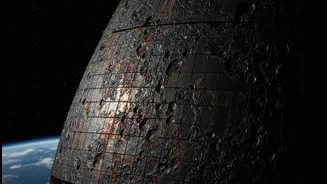
A primary focus of the post-flight inspection is Orion’s heat shield. This system protected the crew from temperatures half as hot as the sun during its fiery reentry into Earth's atmosphere. After the uncrewed Artemis I mission, engineers noted that the heat shield's ablative material had worn away in unexpected ways. While the crew was never in danger, understanding this 'char loss' was a top priority. Following Artemis II, diver imagery and inspections aboard the recovery ship showed the charring behaviour was significantly reduced and more in line with ground-based testing. Now, the heat shield will be sent to NASA's Marshall Space Flight Center for detailed sample extraction and internal X-ray scans. By physically examining the shield and correlating it with sensor data, engineers can refine their models, ensuring the system is perfectly understood and can be trusted for the Artemis III lunar landing and beyond.
Building a Better Digital Twin
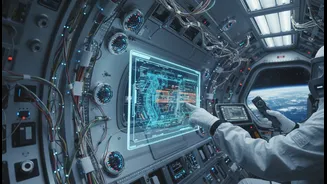
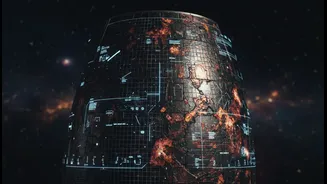
The insights gained from this physical analysis feed into a powerful tool: Orion's 'digital twin'. A digital twin is a highly complex, virtual model of the spacecraft that is constantly updated with real-world data. By comparing the sensor data from the flight with the actual physical state of the returned hardware, engineers can make this digital model incredibly accurate. For example, if they see a small dent from a micrometeoroid impact, they can cross-reference it with the sensor data from that location at that specific time. This process validates the data and calibrates the model. A more accurate digital twin allows NASA to run simulations of future missions with much higher confidence, test software updates, and even troubleshoot problems in flight.
Paving the Way for the Moon and Mars
Every piece of information gleaned from the Artemis II spacecraft—from the performance of the life support systems to the effects of deep space radiation on the crew—is a lesson learned for what comes next. Data from Artemis I led to reinforcements of the launch pad, which sustained minimal damage during the more powerful Artemis II launch. Similarly, the analysis of Orion will directly inform modifications and improvements for Artemis III, the mission that will finally return humans to the lunar surface. This meticulous process of flying, recovering, and analyzing hardware is what bridges the gap between theory and reality. It transforms abstract data points into concrete knowledge, making each subsequent leap into the cosmos—to the Moon, and eventually to Mars—safer and more certain than the last.