






The Slow Fade of the Protein-First Fad
For years, the wellness world championed a protein-heavy breakfast as the ultimate key to productivity and fitness. Protein powders, egg-white-only omelettes, and protein bars became morning staples, promising to keep hunger at bay and build lean muscle.
However, the intense focus on this single macronutrient is beginning to wane among young professionals in India. Many are finding that a breakfast skewed too heavily towards protein can feel monotonous or even lead to digestive discomfort. The trend was driven by a desire for efficiency, but the conversation is now shifting towards overall well-being and sustainable energy, which a single-nutrient focus doesn't always provide. This has led to a quiet but significant reconsideration of what the first meal of the day should truly accomplish.
What 'Balanced' Actually Looks Like
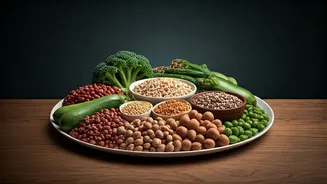
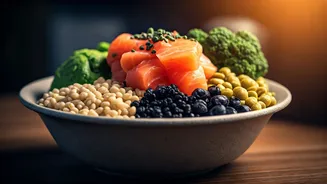
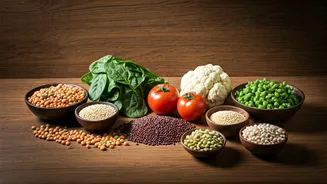
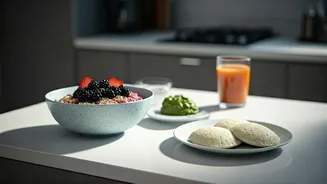
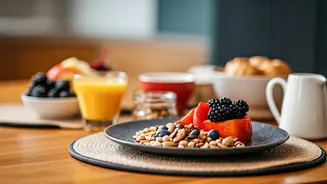
So, what is this 'balanced' breakfast that's gaining favour? It’s not about abandoning protein but rather about putting it in its rightful place—as part of a team. Nutrition experts define a balanced meal as one that includes a healthy mix of protein, complex carbohydrates, healthy fats, and fibre. This combination is crucial for providing sustained energy, stabilising blood sugar levels, and promoting satiety. Think of traditional Indian breakfast staples that have been enjoyed for generations: a plate of poha loaded with vegetables and peanuts, a couple of idlis with a hearty bowl of sambar, or a multi-grain paratha served with curd. These meals naturally offer a synergistic blend of nutrients that work together to fuel both body and mind for the demanding day ahead.
The Return of Good Carbs and Sustained Energy
Carbohydrates, long demonised by various diet trends, are making a welcome comeback to the breakfast table. But we’re not talking about refined sugars or white bread that cause a quick energy spike and subsequent crash. The focus is on complex carbohydrates from whole grains and vegetables. Foods like oats, dalia, millets, and whole wheat provide a slow and steady release of glucose into the bloodstream. This is essential for young professionals who need lasting mental focus and physical stamina to navigate long work hours and demanding schedules. A breakfast that includes these smart carbs helps prevent the dreaded mid-morning slump and reduces cravings for unhealthy snacks later in the day, a common side effect of an imbalanced meal.
A Renewed Appreciation for Traditional Wisdom
This shift isn't just a nutritional correction; it's also a cultural one. Younger generations in India are increasingly looking towards their roots for wellness solutions. There's a growing recognition that traditional Indian breakfast dishes were inherently designed for balanced nourishment. Options like moong dal chilla, besan cheela, or upma packed with vegetables offer a complete nutritional profile of protein, carbs, and fibre. This return to tradition aligns with the global trend of mindful eating and embracing whole, unprocessed foods. It represents a move away from packaged, quick-fix solutions toward meals that are not only physically satisfying but also culturally comforting and enjoyable.
Making the Smart Swap
Transitioning to a more balanced breakfast doesn't have to be complicated. For those who still love the convenience of a protein shake, nutritionists suggest enhancing it rather than having it in isolation. Blending your protein powder with a banana, a handful of oats, and some seeds turns it into a more complete meal. Instead of a plain egg-white omelette, add vegetables and have it with a slice of whole-grain toast. If you enjoy poha or upma, ensure you're adding protein-rich ingredients like peanuts, sprouts, or paneer to make it more nutritionally robust. The goal is to build a plate that includes colour, texture, and a variety of food groups, ensuring your body gets the wide spectrum of nutrients it needs to thrive.