




The Current Rainfall Deficit
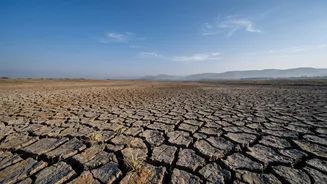
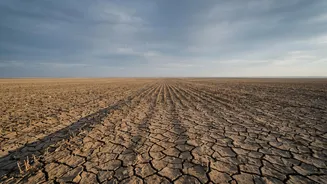
The India Meteorological Department (IMD) has forecast that rainfall in September is likely to be below normal for the country as a whole. This comes after a cumulative deficit of about 14% was recorded between June 1 and August 31. August 2026 was also
the warmest since 1901, further stressing water resources. While some parts of east, northeast, and central India may still receive normal to above-normal rain, many other regions are facing a significant shortfall. This situation is largely attributed to strengthening El Niño conditions in the Pacific Ocean, which are known to suppress monsoon rainfall in India.
Impact on Farmers and Agriculture
The timing of this weakening rainfall is critical for the agriculture sector. Many kharif crops, such as rice, soybeans, cotton, and pulses, are in their crucial grain-filling or maturing stages, where adequate soil moisture is essential for good yields. A dry September could not only reduce the output of these summer-sown crops but also impact the planting of upcoming winter (Rabi) crops like wheat and rapeseed, which depend on residual moisture in the soil. Farmers may face increased costs for irrigation to save their standing crops. In response, agricultural bodies are advising farmers to consider contingency plans, which may include shifting to less water-intensive crops like millets or pulses where possible.
Concerns for Urban Water Supply
The performance of the monsoon directly affects the water levels in India's major reservoirs, which supply drinking water to countless cities and towns. While reservoir levels saw some improvement in July, the overall storage across the country remains lower than last year. Data from various states shows that key reservoirs in the southern and western regions are not at their full capacity compared to the previous year. A weak end to the monsoon means these reservoirs may not be fully replenished, potentially leading to water rationing and supply cuts in urban areas in the post-monsoon months. Municipal bodies will be closely monitoring storage levels and may issue advisories.
What Households Can Do Now
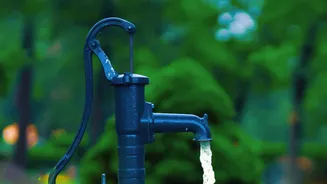
With the prospect of tightening water supplies, proactive conservation at the household level is more important than ever. Simple, consistent habits can collectively make a significant difference. Start by conducting a quick audit of your home for any leaking taps or pipes, as even a small drip can waste hundreds of litres per month. In the kitchen, avoid washing fruits and vegetables under a running tap; use a bowl of water instead. Similarly, adopt shorter shower times and turn off the tap while brushing your teeth or shaving. If you have a garden, water your plants early in the morning or late in the evening to reduce evaporation. Reusing water from RO purifiers for cleaning floors or watering plants is another excellent way to reduce overall consumption. Staying informed about local water supply schedules and advisories from your municipal corporation will also be crucial.
The Broader Economic Picture
The implications of a weak monsoon extend beyond farms and homes. Reduced agricultural output can lead to higher food prices, potentially stoking inflation. This directly affects household budgets across the country. Furthermore, inadequate water levels in reservoirs can impact hydropower generation, adding pressure on the nation's power grid, especially as demand for cooling remains high due to above-normal temperatures. Industries that are heavily reliant on water for their processes may also face operational challenges. Therefore, the performance of the monsoon's final phase has a ripple effect across the entire economy.