




Myth: You Need Protein Powder to Build Muscle
This is perhaps the biggest myth of all. While protein is absolutely essential for repairing and building muscle after a workout, the source doesn't have to be a powder. Your body can't tell the difference between the amino acids from a chicken breast
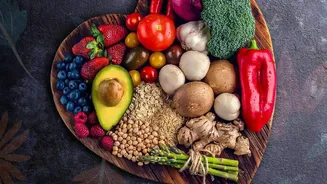
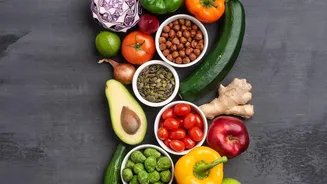
and those from a scoop of whey. Whole foods like lean meats, eggs, fish, lentils, and dairy provide high-quality protein along with other vital nutrients like vitamins, minerals, and fibre that supplements often lack. Protein powders are a convenient option, especially for athletes or those who struggle to meet their daily protein needs through diet alone, but they are a supplement, not a requirement.
Myth: More Protein Always Means More Muscle
Loading up on protein doesn't automatically lead to bigger muscles. Your body has a limit to how much protein it can use for muscle synthesis at one time. For active individuals, research suggests aiming for about 1.6 to 2.2 grams of protein per kilogram of body weight per day for optimal muscle growth. Consuming significantly more than that doesn't appear to provide additional benefits. The excess protein is simply used for energy or, if you're consuming more calories than you burn, stored as fat. Think of it as building with blocks; once the structure is built, extra blocks don't make it stronger.
Myth: You Must Drink a Shake Within 30 Minutes Post-Workout
The idea of a rigid 30-minute 'anabolic window' has been widely debunked. While it's true that your muscles are sensitive to nutrients after exercise, this window of opportunity is much larger than you think, likely lasting several hours. Modern research shows that your total daily protein intake and its distribution throughout the day are far more important than a frantic rush to drink a shake the second you finish your last set. Eating a protein-rich meal within a few hours of your workout is perfectly effective for recovery and growth.
Myth: Protein Powder Is a Magic Bullet for Weight Loss
While protein can be a helpful tool for weight management, it's not a miracle solution. High-protein diets can promote feelings of fullness, which may lead you to eat fewer calories overall. This can help preserve muscle mass during a calorie deficit, which is important for maintaining a healthy metabolism. However, protein powder itself contains calories. If you're adding protein shakes to your diet without adjusting your overall calorie intake, you can still gain weight. True weight loss comes down to a consistent calorie deficit achieved through a balanced diet and regular exercise.
Myth: All Protein Powders Are Created Equal
The supplement aisle can be confusing, but not all powders are the same. The most common type is whey, a milk-based protein that is quickly digested and contains all essential amino acids. Casein, another milk protein, digests more slowly, making it a good option before bed. Plant-based options like soy, pea, and rice protein are excellent for vegans or those with dairy sensitivities. Some plant proteins are 'incomplete' on their own, but many brands offer blends that provide a full amino acid profile, making them just as effective as whey for muscle building. Choosing the right one depends on your dietary needs, preferences, and goals.