






The New Digital 'Adda'
The Bengali tradition of 'adda'—a freewheeling, intellectual conversation over cups of tea or coffee—is a cultural institution. For generations, places like the iconic Indian Coffee House on College Street have been the backdrop for spirited debates on everything
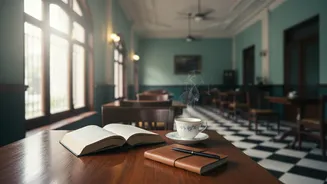
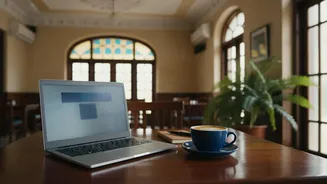
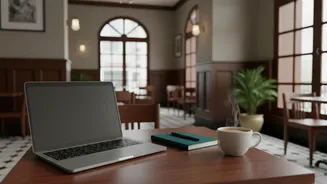
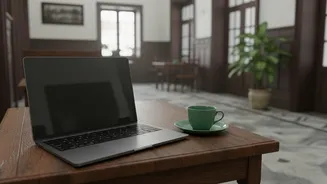
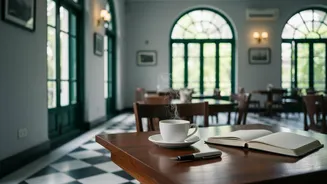
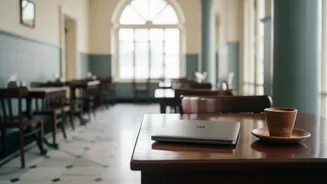
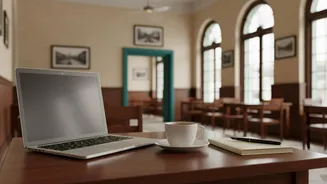
from politics to cinema. Today, a different kind of buzz is filling these spaces. The clatter of keyboards now accompanies the clinking of porcelain, as remote professionals transform these heritage spots into their daily offices. This fusion of focused work and social ambience is creating a modern version of adda, where deadlines meet daydreams. It's a scene that sees solo freelancers, startup teams, and hybrid workers seeking refuge from the isolation of home, drawn to the energy and history of spaces that have nurtured ideas for over a century.
A Lifeline for Heritage Haunts
The rise of remote work has provided an unexpected economic lifeline to many of Kolkata's cherished but sometimes struggling heritage cafés. A new wave of entrepreneurs is restoring historic buildings and repurposing them into cafes and cultural hubs, seeing adaptive reuse as a viable alternative to demolition. Establishments like The Red Bari, housed in a 90-year-old building, and Sienna Café, located in a home built in 1933, are finding a new, consistent clientele. This influx of professionals, who often stay for hours on weekdays, offers a steady revenue stream that complements the weekend rush. In a city where many old structures face an uncertain future, the daily patronage of remote workers is helping to fund the upkeep and preservation of architectural gems, ensuring they remain commercially viable. Cafés are adapting by offering reliable Wi-Fi, ample plug points, and even special packages for co-working guests to cater to this growing demographic.
Beyond the Desk and Wi-Fi
For many remote professionals, the choice to work from a classic café is about more than just a stable internet connection. It’s a deliberate move to escape the monotony of working from home and find a sense of community and inspiration. Kolkata's heat and frequent power cuts also make these air-conditioned havens a practical choice. The ambience of a heritage location, with its old-world charm, high ceilings, and stories embedded in its walls, offers a creative backdrop that a sterile co-working space often lacks. Places like Roastery Coffee House, set in a revamped old Calcutta house, or the legendary Flurys, dating back to 1927, provide not just a workspace but an experience. It’s an opportunity to feel connected to the city's pulse, surrounded by a diverse mix of students, artists, and intellectuals, all while maintaining productivity.
An Evolving Culture
This new trend isn't without its complexities. The traditional adda was leisurely and unstructured, often lasting for hours over a single cup of coffee. The modern work-from-café culture, while also long-form, is driven by productivity and deadlines. This has led to an evolution in café etiquette, with an unspoken understanding that patrons should order regularly to justify their long stay. Some establishments are actively managing this blend of worlds. While the iconic Indian Coffee House now sees a quicker turnover of customers, which has improved its financial health, other modern cafes are designing dedicated spaces for workers to minimize disruption to other guests. This shift represents not a replacement of the old culture, but its adaptation. The spirit of community and conversation still thrives, now accommodating both focused work and relaxed chatter, ensuring Kolkata's café culture continues to evolve with the times.