




The Hidden Time Sink in 'Quick' Meals
Recipe writers often separate 'prep time' from 'cook time', but for many home cooks, that line is blurry. A stir-fry might cook in ten minutes, but if it requires six different vegetables to be washed, peeled, and julienned, the total time commitment
is far greater. This is where the concept of 'active time' becomes crucial. Active time includes all the chopping, measuring, and organising that happens before the pan even gets hot. Dishes notorious for this paradox include complex salads with homemade dressings, fresh spring rolls with numerous fillings, and anything involving intricate knife work or marination. The cooking itself is brief, but the setup demands significant time and attention, turning a seemingly fast meal into a lengthy project.
Embracing the Chef's Secret: Mise en Place
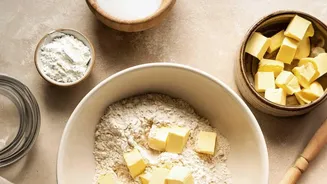
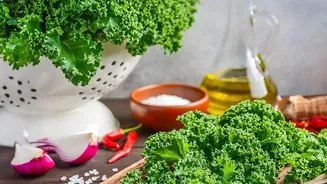
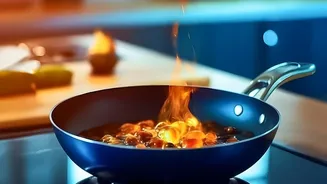
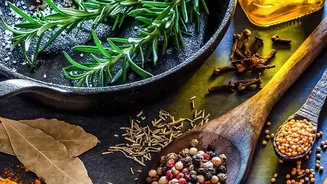
In professional kitchens, the solution to this chaos is a French concept called 'mise en place', which translates to 'everything in its place'. It is the disciplined practice of preparing and arranging all ingredients before starting the actual cooking process. This means every vegetable is chopped, every spice is measured, and every liquid is poured out and ready to go. Adopting this practice at home transforms the cooking experience from a frantic scramble into a calm, focused process. Instead of rushing to find an ingredient or chop an onion while something else is burning, you can give each step your full attention. The goal is to make the cooking portion of the recipe a smooth, uninterrupted flow.
How to Master Your Prep at Home
Making mise en place a habit doesn't require a culinary degree, just a slight shift in your approach. Start by reading the entire recipe from start to finish before you do anything else. This helps you spot any hidden prep steps. Next, gather all your tools and ingredients. Do all the chopping, mincing, and grating first. Use small bowls to hold your prepped items, arranging them in the order you'll need them. This simple organisation prevents the mid-recipe panic of realising you're missing a key component. A sharp knife is your best friend for speeding up chopping, but don't be afraid to enlist help from tools like a food processor for shredding or a mandoline for uniform slices. Finally, clean as you go. Wiping down counters and washing bowls during small pockets of downtime keeps the final cleanup manageable.
Work Smarter: The Power of Batch Prepping
To truly reclaim your weeknights, take preparation a step further with batch prepping. This involves preparing ingredients in larger quantities to be used over several days. You can dedicate an hour or two over the weekend to these tasks. Chop a week's worth of onions, bell peppers, and carrots and store them in airtight containers in the fridge. Make a large batch of marinade that you can use for chicken, tofu, or fish throughout the week. You can also cook components ahead of time, like a big pot of quinoa or roasted vegetables. Having these elements ready to go drastically cuts down the active time required for any given meal, making it possible to assemble a healthy, home-cooked dinner in the time it takes to heat a pan.