





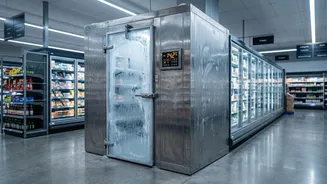
It sounds like a strange joke: hackers holding supermarket freezers hostage. But recent attacks across Europe are no laughing matter, revealing a critical vulnerability in the everyday systems we rely on and a harsh lesson about digital maintenance.
A Chilling Wave of Attacks
In
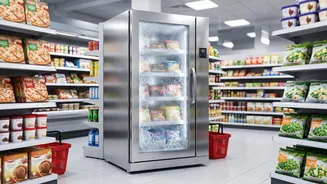
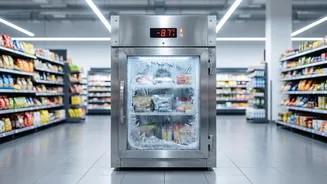
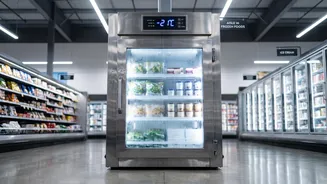
early November 2026, supermarket chains across at least seven European countries, including Belgium, Sweden, Ireland, and the Netherlands, reported a coordinated cyberattack. Hackers remotely seized control of refrigeration systems, forcing them into defrost mode and sending temperatures soaring to as high as 50°C. This followed a similar, large-scale attack in France just weeks earlier which affected hundreds of stores. The result was immediate and tangible: piles of spoiled food, significant financial losses, and disrupted business operations for major retailers like Carrefour, Delhaize, and IKEA. In some cases, the overheating equipment even caused fires. With no ransom demands reported, experts suggest the motive was pure disruption, aimed at undermining confidence in the food supply chain.
Why Your Freezer Is Even Online
The very idea of hacking a freezer seems bizarre until you understand how modern retail works. Supermarkets use internet-connected, or 'smart', systems to remotely monitor and manage everything from temperature and energy consumption to maintenance alerts. This network of devices, often called the Internet of Things (IoT) or Operational Technology (OT), allows a single technician to oversee equipment across hundreds of stores, improving efficiency and quickly spotting faults. These systems are designed for reliability and can remain in operation for many years. However, this convenience comes with a hidden risk. When these devices are connected to the internet without proper security, they create a new 'attack surface'—a digital doorway for intruders.
The Real Cause: A Failure of Maintenance
The European freezer attacks weren't the work of sophisticated malware; they were brutally simple. Attackers exploited basic security flaws that are the digital equivalent of leaving the front door unlocked. Investigations revealed that many of the targeted refrigeration controllers were older models that no longer received security updates, were exposed directly to the public internet, and in some cases, still used weak or default passwords. The equipment manufacturer Danfoss noted it had identified security flaws previously and had recommended customers install updates. This highlights the core issue: a failure of routine digital maintenance. Just as physical machinery needs servicing, connected devices require regular security patches and configuration checks. Neglecting this 'cyber hygiene' leaves critical systems vulnerable to even unsophisticated attacks.
Beyond the Frozen Food Aisle
If a supermarket freezer can be turned into a weapon of disruption, what else is at risk? Experts warn that these incidents are a wake-up call for all industries. The same vulnerabilities exist in building management systems, industrial production lines, logistics, and even healthcare infrastructure. Any 'smart' device, from a building's heating system to a component in the energy grid, can become a target if not properly secured. These attacks demonstrate a shift from stealing data to causing physical, real_world damage. The responsibility for security is often blurred between the business owner, the IT department, and third_party maintenance contractors, creating dangerous gaps that attackers are all too willing to exploit.