







A Policy Reversal After Tourist Dip
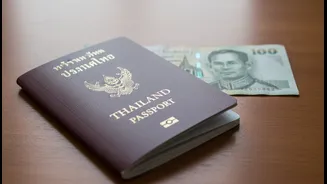
In a significant turnaround, the Thai government has decided to continue offering visa-free entry to Indian passport holders. This decision, confirmed by Thailand's cabinet on July 14, 2026, walks back an earlier proposal from May that had caused considerable
confusion and a noticeable drop in tourist arrivals from India. The initial plan would have removed India from a list of 93 visa-exempt nations, likely moving it to a more restrictive visa-on-arrival category. The uncertainty led to a slump in bookings, with some reports citing a nearly 20% decline in Indian arrivals. Thai Tourism Minister Surasak Phancharoenworakul acknowledged that the confusion had negatively impacted one of the country's most important tourism markets, prompting the government to reconsider.
The Power of the Indian Tourist
The swift reversal underscores the immense economic importance of Indian visitors to Thailand's economy, which relies heavily on tourism for about 12% of its GDP. India is currently Thailand's third-largest source of tourists, trailing only China and Malaysia. In 2025 alone, nearly 2.5 million Indian tourists visited the country, generating tens of billions of baht in revenue. The prospect of losing a significant portion of this market due to cumbersome visa rules was a powerful motivator for the policy change. The decline in arrivals following the mere announcement of the proposal served as a real-time case study for Thai officials on the value of maintaining easy access for Indian travellers. The tourism industry, from airlines to hotels, relies on the steady flow of visitors from India, who are attracted by short flight times, affordable luxury, and cultural similarities.
The New Rules: What Has Actually Changed?
While the visa-free status is secure, there is one significant change: the maximum period of stay has been reduced. Previously, Indian tourists could enjoy a 60-day visa-exempt stay. Under the new, confirmed rules, this has been standardized to a 30-day visa-free stay. According to Thai officials, this move is intended to better align with the typical travel patterns of Indian tourists, who on average stay for about a week. The 30-day window is considered more than sufficient for the vast majority of holiday and business trips. This change is part of a broader overhaul of Thailand's visa framework, aimed at balancing tourism promotion with tighter security and immigration controls to prevent misuse of longer visa exemptions.
Planning Your Trip: What This Means for You
For the average Indian tourist planning a one or two-week vacation, very little has changed. The most crucial factor—the ability to enter Thailand without obtaining a prior visa—remains in place. Your travel plans for a short holiday are secure. However, those who were planning longer stays of over a month will now need to adjust. If you intend to stay beyond 30 days, you must apply for an appropriate long-stay visa before your departure. It is also important to remember that all foreign visitors must complete the Thailand Digital Arrival Card (TDAC) online before their trip. While the visa situation has been clarified, travellers should always ensure their passport has at least six months of validity and carry proof of a return ticket and accommodation. The new visa rules will officially take effect 15 days after they are published in Thailand's Royal Gazette.