

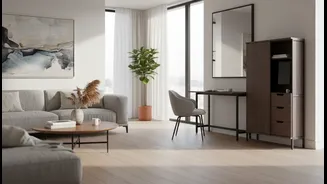
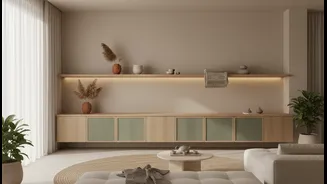


What is a Flex Space, Really?
A flex space is a room or area that can be adapted for multiple purposes. Think of a guest room that also needs to be your home office, a living room corner that serves as a workout zone, or a balcony that’s both a garden and a coffee spot. For many,
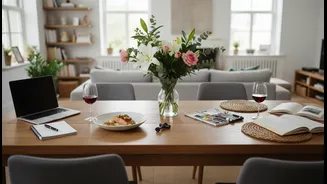
these spaces feel like a compromise because they lack a single, clear identity. They can become cluttered and chaotic because they try to be too many things at once. But the secret is to shift your mindset. A flex space isn't a problem to be solved; it's an opportunity to create a highly functional, customized area that adapts to your life. The goal is to make it feel deliberate and well-designed, not like an afterthought.
Give It a Primary Job
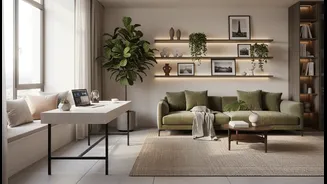
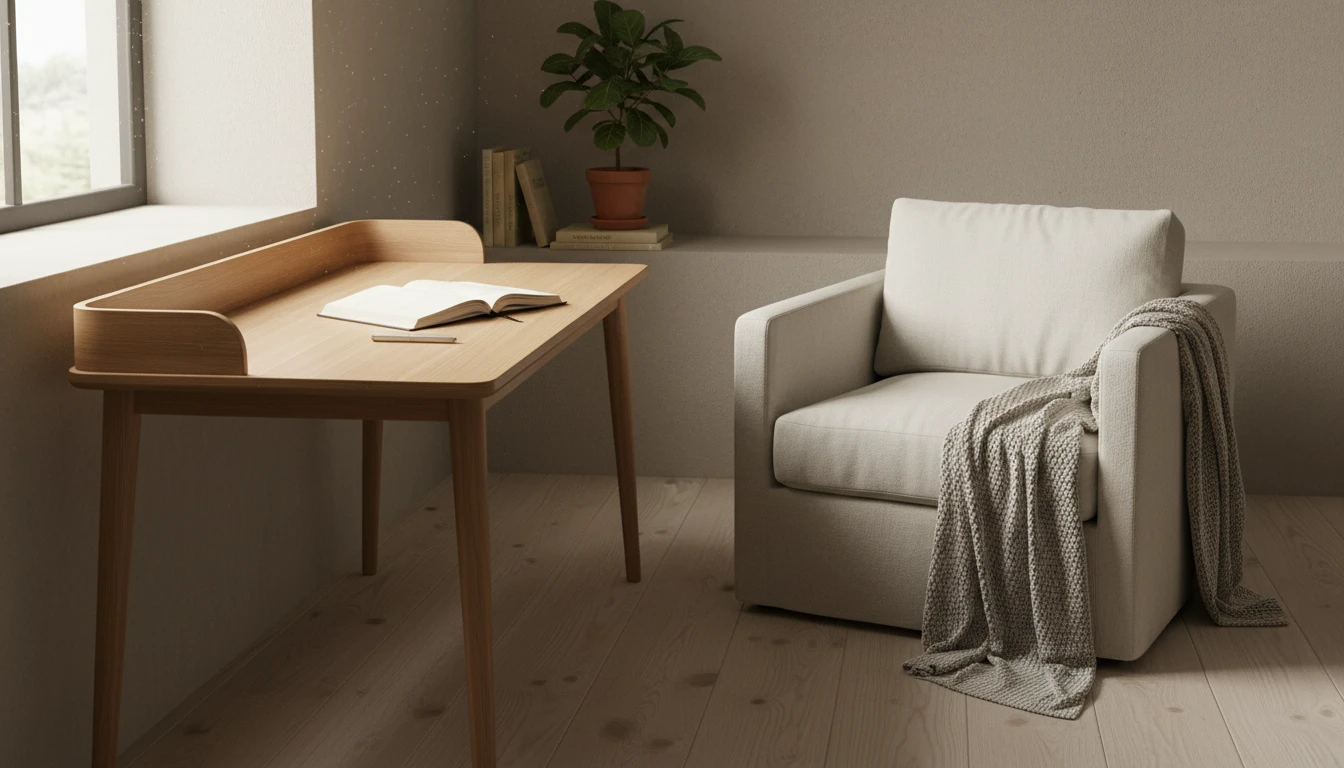
The first step to taming a flex space is to decide on its primary function. If a room tries to be everything, it will excel at nothing. Ask yourself: what is the most important activity this space needs to support? If you work from home daily but only have guests a few times a year, its primary identity is a home office. Everything else is secondary. This decision will guide your main furniture choices and layout. For instance, in a home office that also serves as a guest room, the desk and ergonomic chair take precedence. The guest sleeping arrangement, like a stylish sleeper sofa or a Murphy bed, should be what adapts to the office, not the other way around. Establishing this hierarchy is crucial for creating a space that works without feeling crowded.
Create Distinct Zones
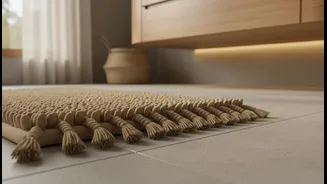
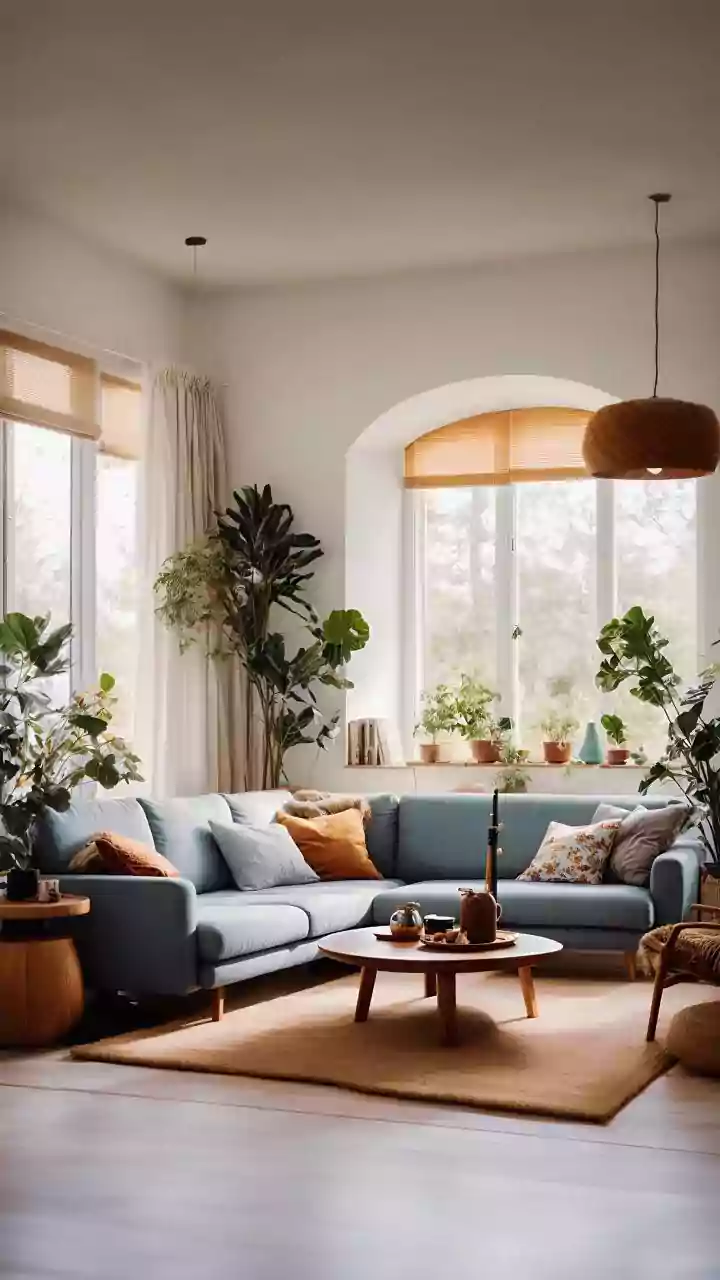
Once you have a primary purpose, you can create visual zones for each activity. This is the key to making a single room feel like it has multiple, distinct areas. You don’t need walls to do this. Area rugs are one of the most effective tools for defining a zone, like placing one under a desk and chair to designate the “office” area. You can also use furniture placement, like floating a sofa away from the wall to separate a lounge area from a dining space. Other clever tricks include using open-backed shelving units as permeable dividers, which create separation without blocking light. Even a change in wall colour or a statement art piece can signal a shift in function within the room.
Choose Smart, Multi-Functional Furniture
In a flex space, your furniture has to work harder. Versatile, multi-functional pieces are your best friends. Instead of a traditional coffee table, consider a storage ottoman that can hide away blankets or office supplies while also offering extra seating. An expandable dining table can stay small for daily use and grow to accommodate guests. Wall-mounted desks can fold away when not in use, instantly freeing up floor space. Look for modular seating that can be reconfigured, and prioritize vertical storage, like tall, narrow bookcases or wall-mounted shelves, to draw the eye upward and keep the floor clear. These pieces are investments that allow your room to transform with ease.
Unify with a Cohesive Style
Just because the room serves multiple functions doesn't mean it should look like a patchwork of different styles. To make the space feel intentional, you need a unifying aesthetic. Choose a consistent colour palette and stick to it across all zones. Repeating materials, like wood, metal, or a specific fabric texture, can also tie the space together. Consistent lighting finishes or hardware will make everything feel connected. The goal is for the different zones to feel like they are in conversation with each other, part of a single, harmonious design story. This aesthetic cohesion is what elevates a multi-purpose room from a space of necessity to one of intentional, beautiful design.