


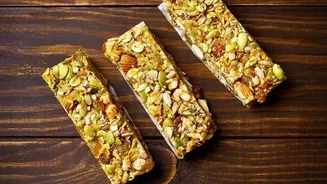
The New Age of Guilt-Free Snacking
The Indian healthy snacks market is no longer a niche segment; it's a rapidly growing industry valued in the billions of dollars. Projections show significant growth, with some estimates suggesting the market could reach over USD 9 billion by 2035. This
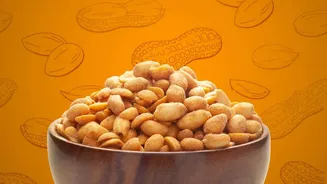
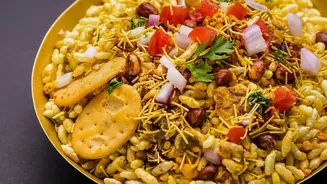
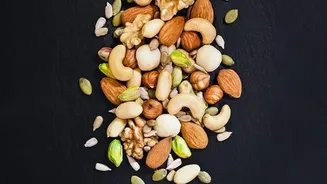
boom is fuelled by a powerful shift in consumer mindset. With rising concerns about lifestyle diseases, urban Indians are increasingly scrutinising labels and prioritising nutrition. A 2026 survey found that 86% of respondents consider protein important when choosing snacks. This has created a fertile ground for new-age brands offering everything from millet-based chips and roasted makhana to granola bars and nut mixes. The definition of a 'healthy' snack has expanded to include clean-label products free from artificial additives, with a focus on natural ingredients and functional benefits like added fibre or protein.
The Enduring Power of the Biscuit
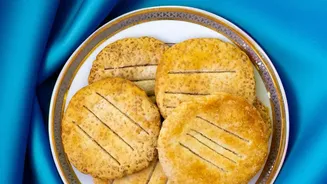
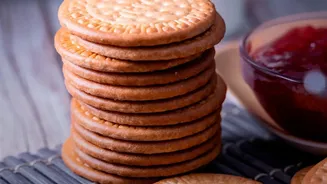
Despite the healthy snacking onslaught, it's premature to write an obituary for the traditional biscuit. For decades, brands like Parle-G, Marie, and Good Day have been deeply embedded in the cultural fabric of the nation. Their strengths are formidable: unparalleled distribution networks reaching every corner of the country, immense brand loyalty built over generations, and, most importantly, affordability. The per capita consumption of bakery products in India remains relatively low compared to developed nations, indicating that there is still significant room for the overall market to grow. While urban, health-conscious consumers might be driving the demand for premium alternatives, the mass market continues to rely on the familiar comfort and value-for-money proposition of the classic biscuit. The challenge isn't extinction, but a potential shift in its role from an everyday staple to a more specific, treat-oriented snack.
How Legacy Giants Are Fighting Back
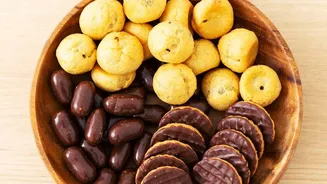
The biscuit behemoths are not sitting idle. Faced with evolving consumer preferences, legacy companies like Britannia, Parle, and ITC are adopting a multi-pronged strategy. A key approach is innovation from within. These companies are launching their own healthier lines, such as digestive, multigrain, and oat-based biscuits, often fortified with vitamins and fibre. Britannia, for instance, has long positioned itself around a health narrative with campaigns like "Eat Healthy, Think Better" and its NutriChoice range. They are also reducing sugar and trans-fats in existing products to appeal to health-aware buyers. This strategy allows them to leverage their existing brand trust and distribution muscle to introduce healthier options to a mass audience that might not otherwise have access to or trust in newer D2C brands.
A Market of Coexistence, Not Conquest
The emerging picture is not one of replacement, but of market fragmentation and coexistence. The Indian snack market is becoming more segmented. At one end, you have the premium, health-focused consumer in metro areas willing to pay more for products with specific nutritional claims. This is the audience that new-age startups and D2C brands are successfully targeting through e-commerce and modern retail. At the other end, the traditional, price-sensitive consumer remains loyal to legacy biscuit brands. The future likely involves a dual-track approach. Healthy snack brands will continue to innovate and capture a significant share of the urban wallet, while traditional biscuit makers will adapt their portfolios to offer both classic favourites and healthier variants. The biscuit isn't disappearing; it's learning to share the shelf.