




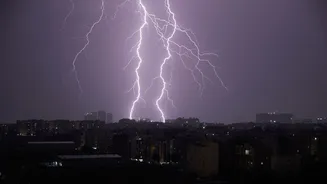
A Tale of Two Monsoons
September in India marks the withdrawal of the monsoon, but this year, the retreat is proving to be erratic. While the India Meteorological Department (IMD) has forecast that rainfall for the month is likely to be below normal for the country as a whole,
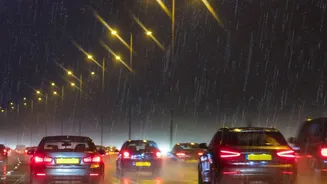
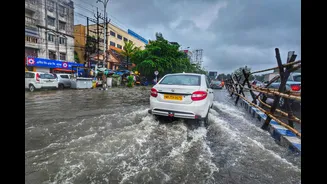
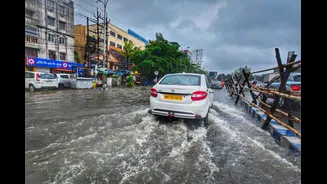
this doesn't tell the full story. A low-pressure system is currently bringing spells of extremely heavy rainfall to eastern and central Indian states like Jharkhand, Odisha, Chhattisgarh, and Madhya Pradesh. In stark contrast, Peninsular India is expected to see subdued rainfall for the coming week. This creates a complex picture: some regions are grappling with sudden deluges while others face a growing deficit, a pattern intensified by strengthening El Niño conditions which historically suppress monsoon rainfall.
The Water Equation: Floods and Scarcity
The uneven rainfall has direct consequences for India's water security. The overall monsoon season from June to August has already been deficient, leaving reservoir levels lower than last year. Data from mid-July showed that water storage in the 166 major reservoirs was significantly below 2025 levels across all regions, with the southern region showing a particularly sharp fall. While intense downpours in central and eastern India might provide a temporary boost to local reservoirs, the broader trend is concerning. A drier-than-normal September could put pressure on water supplies needed for the upcoming dry rabi crop season and for drinking water in many parts of the country. Experts warn that even in years with good rain, India's ability to store water is a major challenge, a problem that becomes more acute in a deficient year.
Navigating Travel Troubles This Month
For travellers, September presents a mix of hazards that demand caution. The IMD has issued warnings for flash floods and waterlogging in low-lying areas across several states, including East Uttar Pradesh, Bihar, Odisha, and Chhattisgarh, due to the recent heavy rains. Mountainous regions like Uttarakhand and Himachal Pradesh have also seen very heavy rainfall, increasing the risk of landslides that can disrupt road travel. Air travel is also likely to be affected, especially through major hubs. During monsoon season, airports like Mumbai and Goa regularly experience significant delays, and a late surge of heavy rain can cause cascading disruptions across the network. Travellers are advised to monitor weather alerts closely, build extra buffer time into their itineraries, and consider travel insurance that covers weather-related disruptions.
Regional Focus and What to Expect
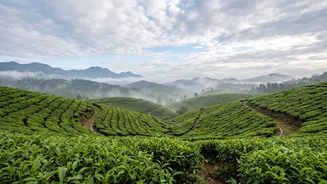
The impact of this weather shift varies significantly by region. Eastern and Central India, including states like Jharkhand, Bihar, Madhya Pradesh, and Chhattisgarh, are currently on high alert for heavy rainfall and potential flooding. The Northeast is also expected to remain wet for the first week of September. Conversely, much of Peninsular and Northwest India is expected to experience below-normal rainfall and higher-than-average temperatures. For those planning travel, destinations in rain shadow zones, like Ladakh, remain ideal. However, in states prone to late monsoon deluges, travellers should check local conditions before setting out and be prepared for last-minute changes to their plans.