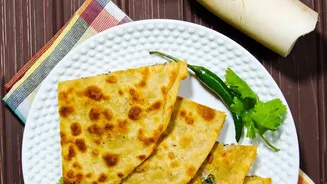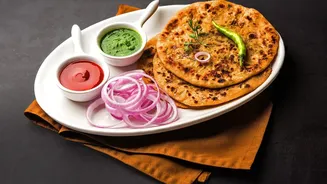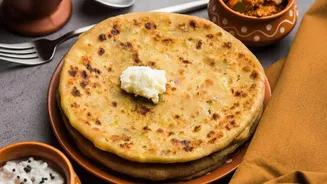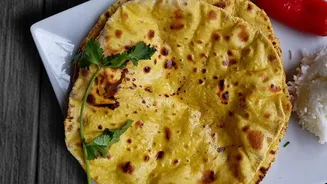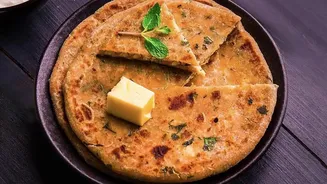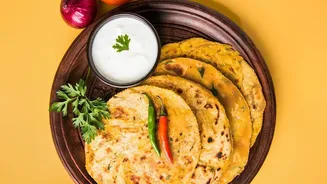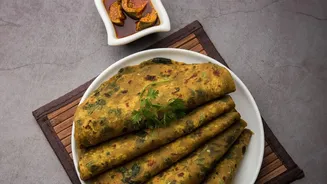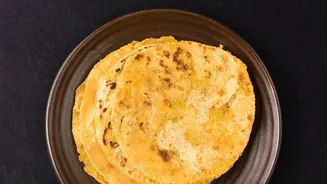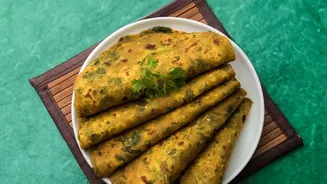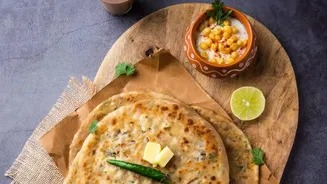






Indian winters are synonymous with comforting foods, and nothing says warmth quite like a fresh, hot paratha. This recipe brings a healthy, delicious twist by uniting two household staples: the ancient grain jowar and the humble mooli.
The Ancient Grain: Jowar's Enduring Appeal
Jowar, or sorghum,
is a gluten-free ancient grain that has been a staple in Indian households for centuries, especially in Maharashtra, Karnataka, and Gujarat. Traditionally used to make bhakri, a rustic flatbread, jowar is now being rediscovered by urban consumers for its impressive nutritional profile. It is packed with dietary fibre, which aids digestion, promotes a feeling of fullness, and can help in weight management. The complex carbohydrates in jowar provide a slow and steady release of energy, preventing the sudden spikes and crashes associated with refined flours. Furthermore, jowar is a good source of essential minerals like iron, magnesium, and phosphorus, which are vital for bone health and overall wellness. Its antioxidant properties, derived from compounds like phenols and tannins, help the body combat oxidative stress.
The Winter Vegetable: Mooli's Humble Magic
Mooli, or white radish, is a quintessential winter vegetable in India, celebrated for its sharp, peppery flavour and numerous health benefits. According to Ayurveda, mooli is considered a warming food, making it ideal for consumption during colder months as it helps improve metabolism and supports respiratory health. It is exceptionally rich in dietary fibre and has a high water content, which aids digestion, prevents constipation, and can help relieve bloating. Radish is also a great source of Vitamin C, a powerful antioxidant that strengthens the immune system. Traditionally, mooli is used in a variety of dishes, from pickles and salads to dals and the ever-popular stuffed parathas, where its pungent flavour mellows into a delicious earthiness when cooked.
The Perfect Pairing: A Wholesome Combination
Combining jowar and mooli in a paratha is a stroke of culinary genius. It creates a dish that is not only gluten-free but also incredibly nutritious and flavourful. The earthy nuttiness of the jowar flour perfectly complements the mild spice of the grated radish, resulting in a soft, satisfying flatbread. While a traditional mooli paratha uses whole wheat flour, this version offers a wholesome alternative for those with gluten sensitivities or anyone looking to incorporate more millets into their diet. The fibre from both jowar and mooli supports digestive wellness, while the combined vitamins and minerals offer a significant nutritional boost. This pairing brings together the best of both worlds: the rustic tradition of jowar bhakri and the comforting appeal of a classic stuffed paratha.
Jowar Mooli Paratha: The Recipe
This recipe integrates the grated mooli directly into the dough, making it simpler than a stuffed paratha and ensuring an even distribution of flavour. Ingredients: 1.5 cups jowar (sorghum) flour, 1 cup grated mooli (radish), ½ cup finely chopped mooli leaves (optional), 1-2 green chillies (finely chopped), 1 tsp ginger paste, ½ tsp ajwain (carom seeds), salt to taste, and hot water for kneading. Ghee or oil for cooking. Method: First, sprinkle a little salt on the grated mooli and set it aside for 10-15 minutes to release its water. Squeeze out all the excess water from the radish firmly. In a large bowl, combine the jowar flour, the squeezed mooli, chopped leaves, green chillies, ginger paste, ajwain, and salt. Gradually add hot water and knead to form a soft, smooth dough. The trick to a soft jowar dough is using hot water, which helps bind the gluten-free flour. Let the dough rest for 10 minutes. Divide the dough into equal portions. On a piece of parchment paper or a plastic sheet, pat or gently roll each portion into a small circle. Cook on a hot tawa over medium heat, applying ghee or oil, until golden brown spots appear on both sides. Serve hot with curd, pickle, or a simple dal.
Tips for Perfect Gluten-Free Parathas
Working with jowar flour can be tricky as it lacks gluten, the protein that makes wheat dough elastic. The most important tip is to use hot or boiling water to make the dough; this gelatinizes the starch and makes the dough pliable and less prone to cracking. Kneading the dough while it is still warm is also crucial for achieving a smooth texture. If the dough feels too sticky, you can add a small amount of rice flour to help with binding. When rolling, do it gently between two sheets of parchment paper to prevent sticking and breaking. Don't roll the parathas too thin. Cook them on a medium-hot tawa and avoid overcooking, which can make them dry. Stacking the cooked parathas and wrapping them in a clean kitchen towel helps them retain their softness.