



The Uncomfortable Truth About Denim
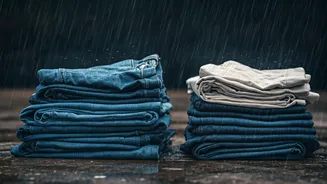
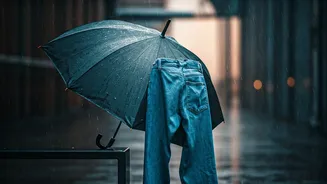
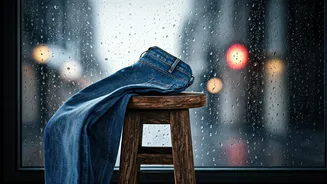
There's a reason fashion experts often advise against wearing denim in the rainy season. Traditional jeans are made from heavy cotton, which acts like a sponge when it gets wet. Once soaked, denim becomes incredibly heavy, clinging uncomfortably to your
skin and restricting movement. The real issue, however, is the drying time. In the high humidity of the Indian monsoon, a pair of wet jeans can take hours, or even a full day, to dry completely. This prolonged dampness not only leaves you feeling chilly but can also create a breeding ground for mildew and fungal infections, resulting in skin irritation and a persistent musty smell.
Why It's Hard to Quit Your Jeans
Despite the practical downsides, the thought of abandoning denim for several months is tough for many. Jeans are arguably the most versatile item in any wardrobe. They are durable, easy to style, and offer a sense of structure that few other fabrics can match. Dark-wash denim is particularly adept at hiding the inevitable mud splashes and water marks that come with navigating wet streets, helping you maintain a put-together look even in a drizzle. This blend of durability and effortless style is precisely why giving up jeans feels like a major fashion sacrifice.
Smarter Denim Choices for Rainy Days
The good news is you don't have to declare your wardrobe a completely denim-free zone. The key is to be selective. Instead of heavy, rigid denim, opt for lightweight versions, typically those under 12 ounces. Many brands now offer 'summer-weight' or 'breezy' denim designed for better comfort in warm, humid weather. Another smart move is to choose lighter denim-like fabrics such as chambray, which offers the same aesthetic with a much softer and more breathable feel. The silhouette also matters immensely. Swap out skinny jeans for more relaxed, breathable fits like cropped, straight-leg, or wide-leg styles. These cuts allow for better air circulation and, because they don't cling to the skin, they feel far less restrictive if they happen to get damp. Shorter hemlines like culottes or ankle-length jeans are also a practical choice to avoid dragging your hems through puddles.
The Best Fabric Alternatives
On days with heavy downpours, it's wise to have some reliable denim alternatives ready. The best monsoon-friendly fabrics are those that are breathable and dry quickly. Lightweight cottons, such as poplin and voile, are excellent choices for their airiness. Cotton blends, particularly with polyester or rayon, offer the breathability of cotton but with a significantly faster drying time. Rayon is a standout choice for its silk-like feel and ability to dry quickly without trapping body heat. For a more structured look, linen and linen-blend trousers are fantastic, as linen dries faster than cotton and becomes softer when damp. Many synthetic fabrics like polyester and nylon are also great choices, as they are inherently water-resistant and will keep you from feeling soggy after a sudden shower.
Beyond Fabric: More Monsoon Style Tips
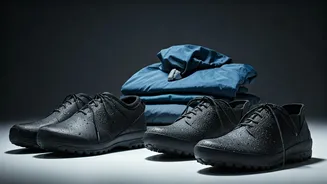
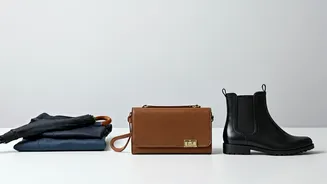
Making your monsoon wardrobe work goes beyond just fabric choice. Embracing darker colours like navy, black, and deep greens can help camouflage any dirt or water splashes you pick up along the way. This is also the perfect season to play with bright, cheerful colours and prints to offset gloomy weather. Prioritise shorter hemlines across the board, including midi dresses, skirts, and cropped trousers, to keep your clothes clean and dry. Finally, pay attention to your footwear. Swap out your absorbent canvas sneakers and leather shoes for waterproof options like rubber-soled flats, jelly sandals, or stylish boots that can handle wet conditions without getting ruined.