


The Icon of Indulgence
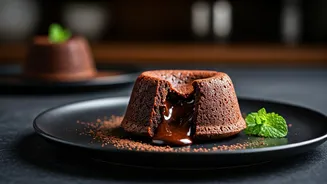
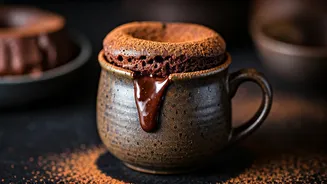
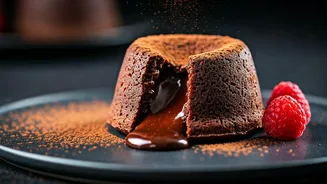
When we say “pure chocolate luxury,” one specific dessert immediately comes to mind: the molten chocolate lava cake. Known in French kitchens as moelleux au chocolat (literally “soft chocolate”) or chocolate fondant, this isn't your average slice of cake. It’s
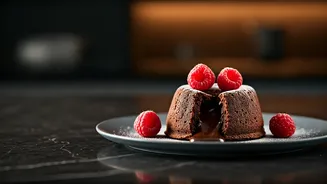
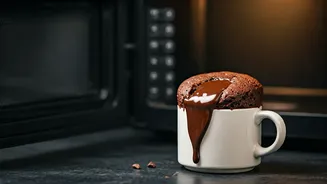
a masterful illusion. The exterior is a tender, deeply flavourful chocolate cake, but the magic lies within. The moment your spoon breaks the surface, a gush of warm, liquid chocolate spills out, creating an irresistible contrast of textures and temperatures. Popularised in the 1990s by master chefs, this dessert has remained a symbol of sophisticated indulgence. It’s the go-to finale at high-end restaurants for a reason: it delivers a pure, unadulterated chocolate hit that feels both elegant and primal.
It All Starts with the Chocolate
The difference between a good molten cake and a truly luxurious one comes down to a single, non-negotiable element: the quality of the chocolate. This is not the time for generic baking chips. For that deep, complex flavour that defines luxury, you need high-quality dark chocolate, ideally with a cacao percentage between 60% and 75%. A higher cacao content provides a robust, less sugary flavour that balances the richness of the butter and eggs. Look for chocolate described as “couverture,” which contains a higher percentage of cocoa butter. This not only melts more smoothly, creating a silkier liquid center, but also lends a superior mouthfeel and a glossy finish. Using the best chocolate you can find is the first and most important step in elevating this dessert from a simple treat to a showstopper.
The Art of the Batter
While chocolate is the star, the supporting ingredients are crucial for creating the perfect texture. The batter for a molten chocolate cake is deceptively simple, often containing just five core ingredients: chocolate, butter, eggs, sugar, and a very small amount of flour. The high ratio of eggs and butter to flour is what makes the cake so tender and rich. The eggs are typically whisked with sugar until they are pale and have increased in volume. This incorporates air, which gives the cake its delicate lift without relying on chemical leaveners like baking powder. The flour acts as a binder, providing just enough structure to hold the cake together while allowing the center to remain gloriously under-baked and liquid. Every ingredient has a purpose, working in harmony to create a perfect balance of structure and flow.
Technique Is Everything
The secret to the molten center isn't a trick; it's a technique. There are two primary methods, but the classic approach relies on precise baking. The batter is baked at a high temperature for a short period—typically just 10-14 minutes. This high heat quickly sets the edges of the cake, creating the firm-yet-tender exterior, while leaving the center undercooked and liquid. This is a game of seconds. Overbake it by a minute, and you have a lovely (but not molten) chocolate cupcake. Underbake it, and the entire structure will collapse. The key is to watch for the edges to be firm and set, while the very center still has a slight wobble. It requires a bit of practice and knowing your oven, but mastering this timing is what unlocks the dessert's signature “lava” flow.
The Perfect Moment to Serve
A molten chocolate cake demands to be eaten immediately. The magic is fleeting, existing only in the first few minutes after it emerges from the oven. To serve, carefully run a thin knife around the edge of the ramekin and invert it onto a plate. The moment of the reveal is part of the drama. A simple dusting of cocoa powder or icing sugar is all it needs, as the dessert itself is the main event. However, pairing it with something that provides a temperature or flavour contrast can elevate it even further. A scoop of high-quality vanilla bean ice cream is the classic choice, its cool creaminess a perfect foil to the warm, rich chocolate. Alternatively, a sharp raspberry or passion fruit coulis can cut through the richness with a welcome burst of acidity, making each bite a new discovery.