



Why Bodyweight Training Works
Bodyweight exercises are effective because they use your own mass as resistance, which is a convenient and powerful way to build strength and endurance. These movements are often functional, meaning they mimic everyday actions like squatting to pick something
up or pushing a door open. This not only builds practical strength but also improves balance, flexibility, and core stability, helping to make daily activities easier and reducing the risk of injury. Because you can do them anywhere with no equipment, bodyweight routines are one of the most efficient and accessible ways to start and maintain a fitness habit.
The Foundational Move: Bodyweight Squats
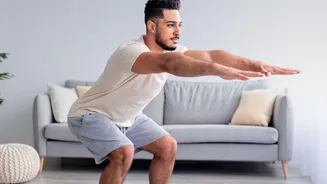
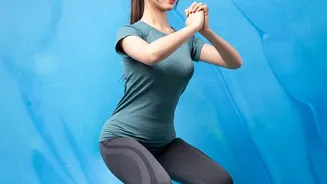
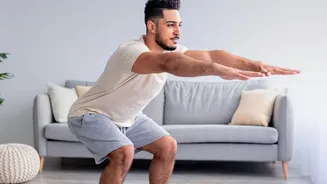
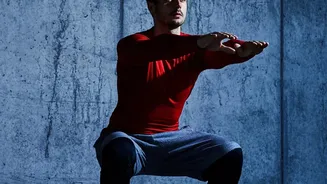
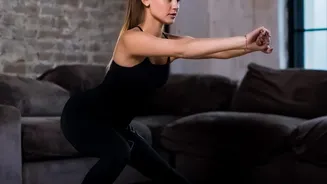
The squat is a fundamental movement that strengthens your entire lower body, including your glutes, quadriceps, and hamstrings. To perform it correctly, stand with your feet slightly wider than shoulder-width apart, with your toes pointed slightly out. Keeping your chest up and your core engaged, start the movement by pushing your hips back as if you're about to sit in a chair. Lower yourself until your thighs are parallel to the floor, ensuring your knees track in line with your toes and don't cave inward. Drive through your heels to return to the starting position.
Building Upper Body Strength: Wall Push-Ups
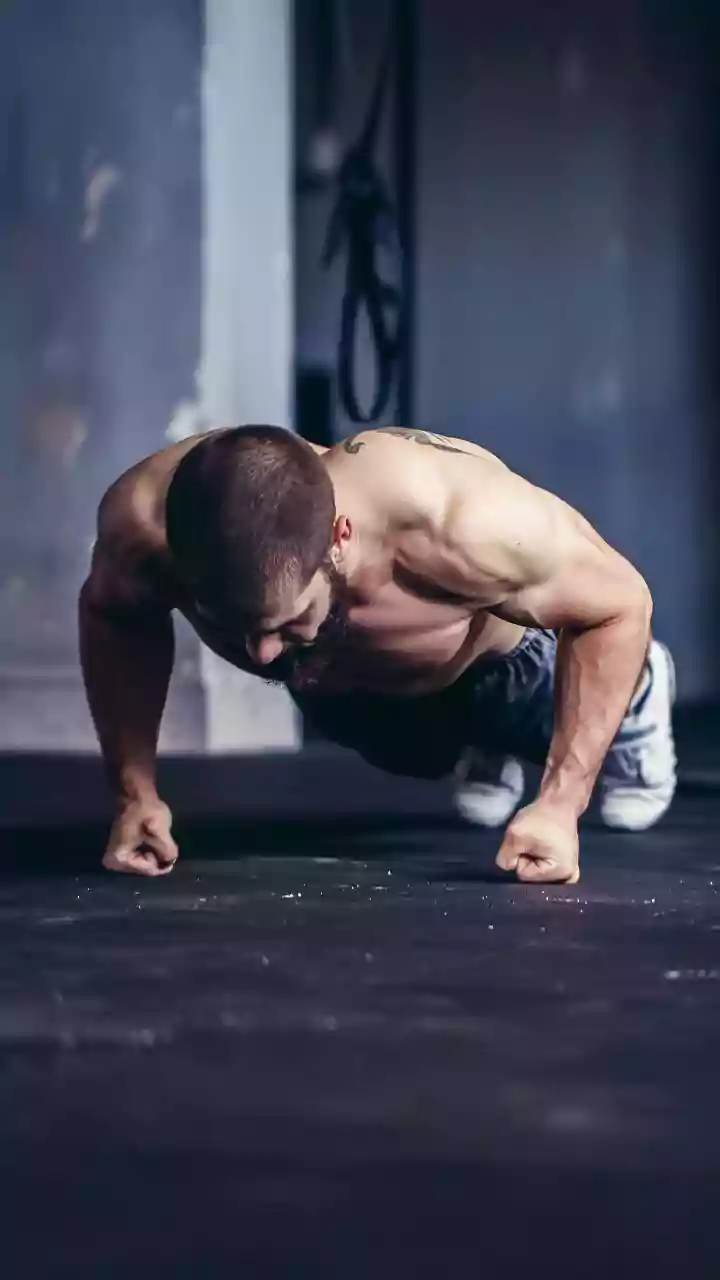
For beginners, the wall push-up is an excellent way to build upper body strength without the strain of a traditional push-up. It targets your chest, shoulders, and triceps while being gentle on your wrists and joints. Stand about an arm's length away from a sturdy wall. Place your palms on the wall, slightly wider than your shoulders and at chest level. Keeping your body in a straight line from your head to your heels, slowly bend your elbows to bring your chest toward the wall. Your elbows should bend at about a 45-degree angle. Push back to the starting position. As this gets easier, you can move your feet further from the wall to increase the difficulty.
The Core Stabilizer: The Plank
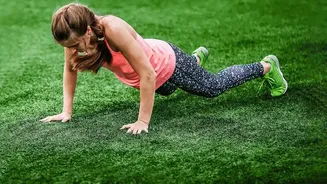
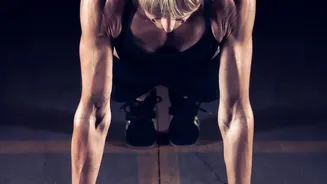
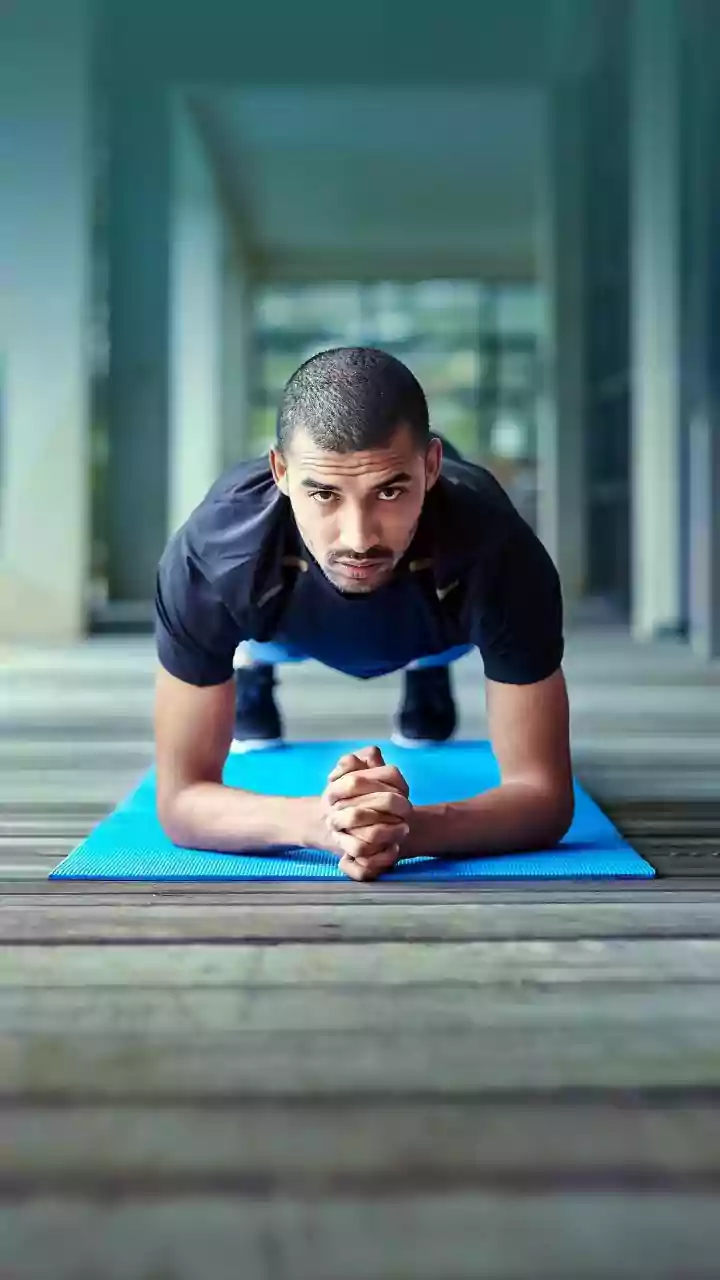
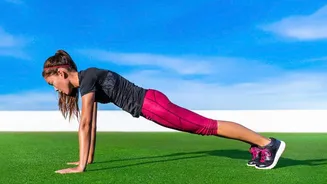
The plank is one of the best exercises for developing core strength, which is essential for good posture and protecting your spine. To get into position, start on your forearms and knees. Lift your knees off the ground and extend your legs straight behind you, so your body forms a straight line from your head to your heels. Keep your elbows directly under your shoulders, engage your abs, and be careful not to let your hips sag or rise too high. Look at the floor just in front of your hands to keep your neck in a neutral position. Hold this position for as long as you can maintain good form.
For Balance and Leg Tone: Lunges
Lunges are fantastic for toning your legs and glutes while also challenging your balance. To start, stand with your feet together. Take a controlled step forward with your right leg. Lower your hips until both knees are bent at approximately a 90-degree angle. Your front knee should be directly above your ankle, and your back knee should hover just above the ground without touching it. Push off your front foot to return to the starting position and repeat with the left leg.
Targeting the Glutes: The Glute Bridge
The glute bridge is a simple but powerful exercise for activating and strengthening your glutes and hamstrings. Lie on your back with your knees bent and your feet flat on the floor, about hip-width apart and close enough that you can touch your heels with your fingertips. Engage your core and squeeze your glutes as you lift your hips toward the ceiling. Your body should form a straight line from your shoulders to your knees. Pause at the top for a moment before slowly lowering your hips back to the floor.
Your Beginner Workout Routine
Consistency is more important than intensity when you're starting out. Aim to perform this full-body routine two to three times per week on non-consecutive days to allow your muscles time to recover. Before each workout, start with a 5-minute warm-up of light cardio, like marching in place or jumping jacks, to get your blood flowing. For each exercise, perform 2-3 sets: - Bodyweight Squats: 10-15 repetitions - Wall Push-Ups: 10-15 repetitions - Plank: Hold for 20-30 seconds - Lunges: 8-12 repetitions per leg - Glute Bridges: 12-15 repetitions Rest for 60-90 seconds between each set. As you get stronger, you can increase the repetitions, add more sets, or decrease your rest time.