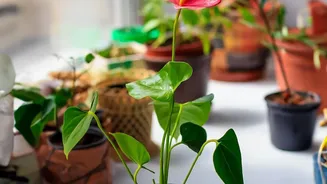



Peace Lily: The Elegant Air Purifier
The Peace Lily is a champion at tackling indoor humidity. Its broad, glossy leaves are not just for show; they absorb moisture from the air through a process called transpiration. Because it thrives in the humid conditions of tropical forest floors, it is perfectly
suited for bathrooms, kitchens, and other damp corners of an apartment. It can even help reduce airborne mould spores, making the air healthier to breathe. This plant prefers bright, indirect light but tolerates lower light levels, making it a versatile choice for city homes. Keep its soil consistently moist but not waterlogged, and it will reward you with elegant white blooms.
Boston Fern: A Lush Humidity Sponge
Boston Ferns are renowned for their love of moisture, making them excellent natural dehumidifiers. Their dense, feathery fronds draw in excess water vapour from the surroundings, helping to balance indoor humidity levels. These plants are ideal for a shaded balcony or a well-lit bathroom where humidity is consistently high. To keep a Boston Fern happy, ensure its soil stays consistently moist and place it in a spot with plenty of indirect light. In very dry indoor conditions, an occasional misting can help it thrive.
Snake Plant: The Hardy Dehumidifier
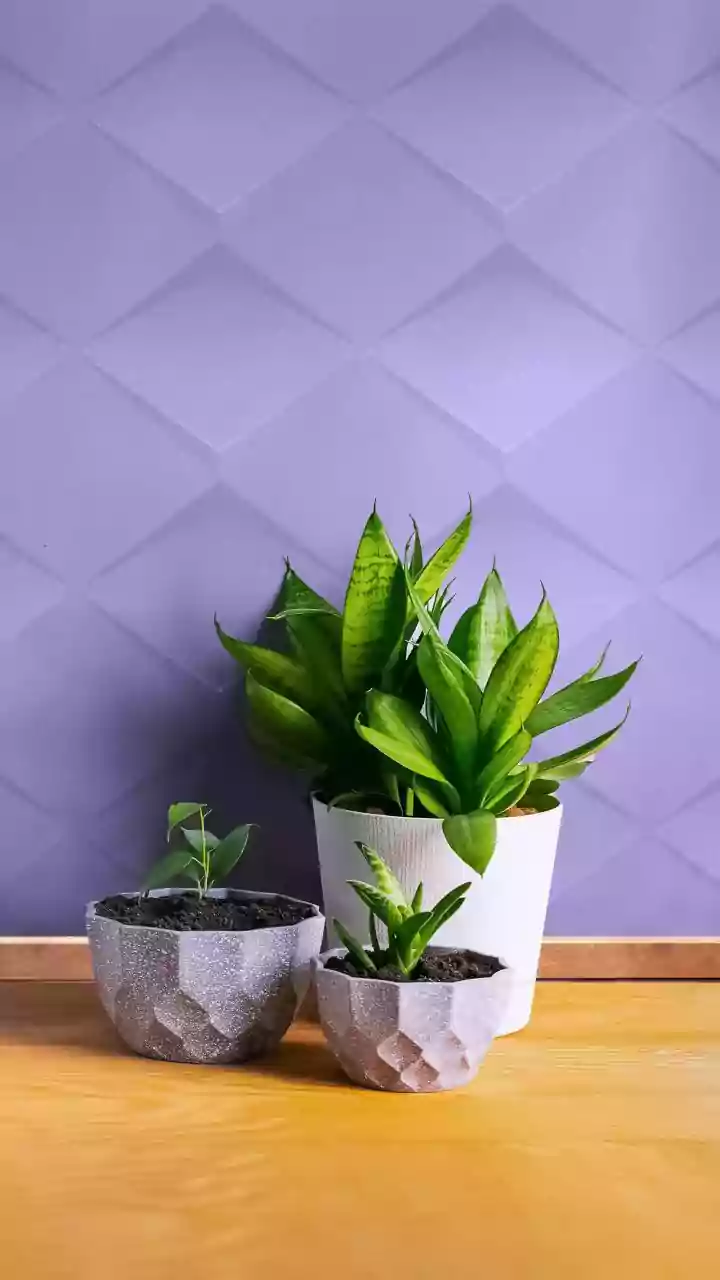
Also known as Mother-in-Law's Tongue, the Snake Plant is one of the toughest houseplants you can own. While it is well-adapted to dry conditions, it also excels at absorbing moisture from the air in more humid environments, like a steamy bathroom. One of its standout features is its ability to purify the air, filtering common toxins. Snake Plants are incredibly low-maintenance, requiring only occasional watering and tolerating both low light and bright, indirect light. For apartment dwellers looking for a resilient and effective plant, the Snake Plant is an unbeatable choice.
Spider Plant: The Easy-Care Solution
The Spider Plant is a favourite among both new and experienced plant owners for its resilient nature and air-purifying qualities. It is particularly effective at absorbing excess indoor humidity, a welcome benefit during India's monsoon season. Characterised by its arching green and white striped leaves, this plant is adaptable and grows quickly. It thrives in bright, indirect light but can manage in shadier spots. Water it when the top layer of soil feels dry, and be careful not to let it become waterlogged. Its ability to filter indoor air while managing humidity makes it a functional and decorative addition to any room.
English Ivy: The Trailing Moisture Magnet
English Ivy is a beautiful trailing plant that is surprisingly effective at absorbing airborne moisture. Its cascading vines make it a perfect fit for hanging baskets or placing on high shelves, saving precious floor space in a compact apartment. It is particularly well-suited for humid kitchens and bathrooms. English Ivy grows best in bright, indirect light and requires moderate watering. Regular trimming will encourage fuller, healthier growth, ensuring it remains an attractive and functional element in your home during the dampest months.
Clay Dehumidifiers: The Reusable Alternative
Beyond plants, another natural tool in the fight against humidity is the clay dehumidifier. Often made from minerals like montmorillonite or bentonite clay, these desiccants work by adsorbing water vapour from the air into their porous structure. They are a cost-effective, non-toxic, and electricity-free solution, ideal for small, enclosed spaces like closets, cabinets, and under sinks where mould can grow. These clay packs or pots can absorb a significant amount of moisture relative to their weight. Once saturated, they can be easily 'recharged' by drying them in an oven at a low temperature or leaving them out in the sun, making them a sustainable and reusable option for long-term humidity control.