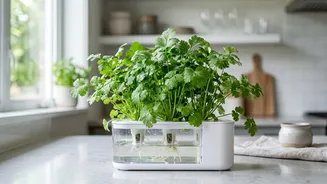


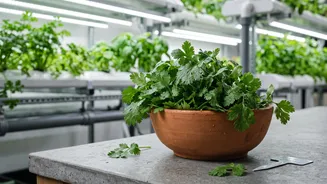
Growing fresh coriander, or dhaniya, at home is a delight. In a hydroponic system, growth is fast and clean, but this soilless method requires vigilance. Understanding plant stress and performing regular checks is key to a successful harvest.
The Core Vitals: pH and EC
The two most
critical measurements in your hydroponic reservoir are pH and Electrical Conductivity (EC). Think of pH as the gatekeeper for nutrients; if it’s wrong, the plant can't absorb food even if it's present. For coriander, the ideal pH range is between 5.8 and 6.5. EC measures the total amount of dissolved nutrients, or the 'strength' of your nutrient solution. Coriander is a relatively light feeder, thriving in an EC range of 1.2 to 1.8 mS/cm. Checking these two parameters every two to three days with a digital meter allows you to catch imbalances before they cause visible stress like yellowing leaves or stunted growth.
Reading the Leaves for Clues
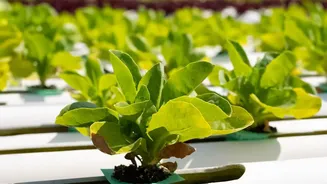
Your coriander plants will give you visual signals when something is wrong. Yellowing leaves are a common sign of stress and can point to several issues. It could mean the pH is off, locking out nutrients like nitrogen or iron. It might also signal that your nutrient solution (EC) is too weak. Conversely, brown, crispy leaf edges often indicate 'nutrient burn', where the EC is too high, or that the grow lights are too close to the plant. If new growth appears deformed or speckled, it might point to a specific micronutrient deficiency, which again, often traces back to an incorrect pH level.
Root Health is Plant Health
Out of sight should not mean out of mind. Healthy hydroponic roots are the engine of the plant and should be milky white or cream-coloured, and firm. A regular check of the roots is crucial. If they appear brown, slimy, or have a foul, swampy smell, you are likely dealing with root rot. This is a serious condition caused by a lack of dissolved oxygen in the water, often triggered by overly warm reservoir temperatures—ideally, water should stay below 22-24°C. Good aeration, using an air stone and pump, is one of the best preventative measures, as it keeps the water oxygenated and discourages the pathogens that thrive in stagnant conditions.
Controlling Light and Temperature
Coriander is sensitive to its environment, particularly heat and light duration. Excessive heat is the primary trigger for 'bolting'—when the plant prematurely flowers, causing the leaves to become bitter and inedible. The ideal air temperature for leafy growth is between 15°C and 22°C. Temperatures consistently above 24°C will encourage bolting. The light cycle is also a factor. Provide 12 to 16 hours of daily light from an LED grow light, but avoid overly intense light, which can also contribute to heat stress. If you see the central stem begin to elongate rapidly, it's a sign that the plant is starting to bolt.
The 'Cut-and-Come-Again' Harvest
Regular harvesting is not just for enjoying your fresh dhaniya; it's also a maintenance practice. A 'cut-and-come-again' approach, where you trim the outer, larger leaves while leaving the central growth point intact, encourages the plant to stay in a vegetative, leafy state. Never remove more than one third of the plant at a time to avoid causing stress that could trigger bolting. This frequent, gentle pruning promotes bushier growth and can significantly extend your harvest window, giving you a continuous supply from the same plants for several weeks.