




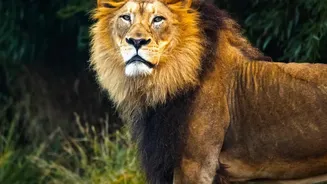
A Necessary Second Home
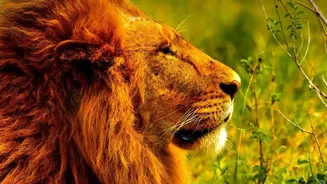
The success of India's conservation efforts has brought the Asiatic lion back from the brink of extinction. From a mere handful in the early 20th century, their numbers have grown to over 674 in and around the Gir landscape. But this triumph presents
a new challenge: overcrowding. A single, concentrated population is dangerously vulnerable to threats like disease outbreaks or natural disasters. A canine distemper virus outbreak in 2018, which killed dozens of lions in Gir, was a stark reminder of this risk. To safeguard the species' future, establishing a second, geographically separate population became a national priority under 'Project Lion'. After decades of consideration, the Barda Wildlife Sanctuary, about 100 kilometres from Gir, has emerged as that vital second home.
The Return to Barda
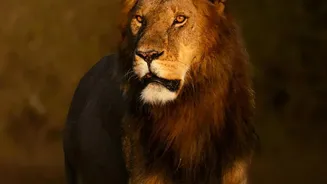
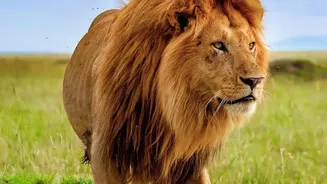
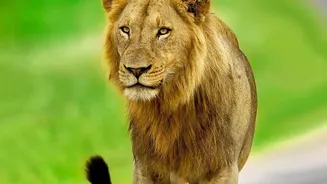
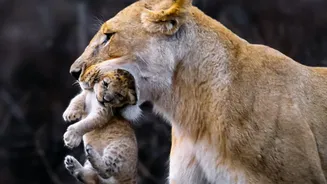
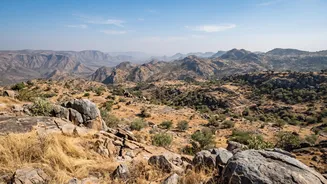
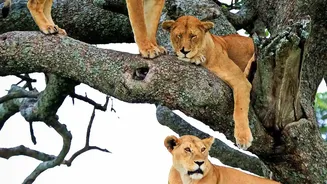
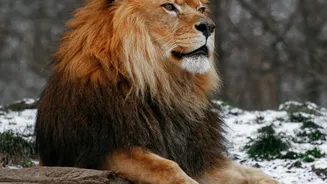
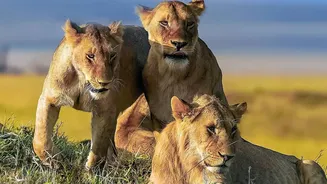
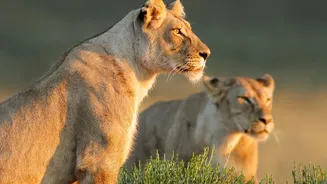
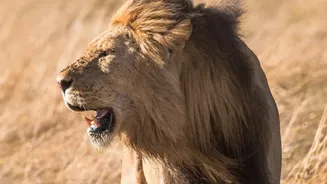
Lions are returning to the rugged, forested terrain of Barda after an absence of nearly 144 years. The process began naturally in January 2023, when a lone male lion dispersed from Gir and walked into the sanctuary on its own. Recognizing the opportunity, the Gujarat Forest Department followed this pioneering move by translocating five lionesses to establish a new pride. The move was a success. By 2025, the Barda population had grown to 17 lions, including 11 cubs born in their new habitat. This milestone officially designated Barda as the first fully protected satellite lion habitat in Gujarat, a crucial step in creating a buffer population.
Why 'Active Protection' Is Essential
Simply moving lions is not enough; ensuring their survival in Barda requires constant and active protection. One of the primary challenges is managing human-wildlife interactions. The sanctuary and its surrounding areas are home to pastoral communities like the Maldharis, Rabaris, and Bharwads. While these communities have coexisted with wildlife for centuries, the presence of a large predator like the lion introduces new risks. To prevent conflict, a robust prey base is essential. Studies showed that while lions in Barda feed on wild pigs, they also prey on domestic cattle. In response, conservationists have been actively augmenting the natural prey population by translocating hundreds of spotted deer (chital) and sambar from Gir. This not only sustains the lions but also reduces their need to hunt livestock, mitigating a key source of conflict.
Beyond Fences and Prey
Active protection also involves habitat management and community involvement. The Barda landscape, covering around 192 square kilometres, needs continuous restoration. This includes removing invasive plant species, developing grasslands to support herbivores, and implementing soil and moisture conservation measures to improve water availability. Furthermore, the success of this project hinges on the cooperation of local communities. The forest department has deployed full-time trackers to monitor the lions' health and movements using radio collars. Simultaneously, they are working with villagers on voluntary relocation schemes, providing veterinary camps for livestock, and creating livelihood opportunities through eco-tourism, which began in 2024. By involving local people as partners and guides, the project fosters a sense of ownership and ensures that conservation benefits the communities who share the landscape with the lions.