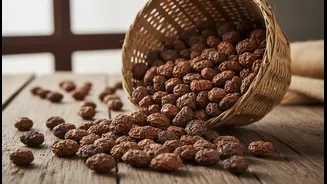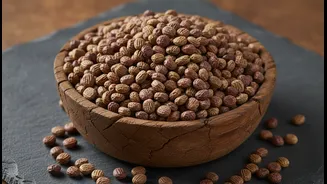






What is Horse Gram?
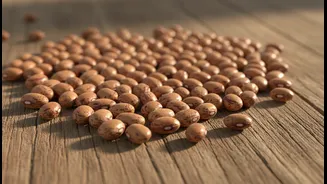
Known as kulthi dal in Hindi, hurali in Kannada, and kollu in Tamil, horse gram (Macrotyloma uniflorum) is a small, resilient pulse that has been cultivated in India for thousands of years. Historically used as feed for cattle and horses—which is how
it got its English name—this legume has long been a staple in rural and arid regions due to its ability to thrive in tough conditions with poor soil and little water. Despite being less common than lentils like toor or moong dal in many modern urban kitchens, horse gram has deep roots in regional Indian cuisines, from warming winter soups in the Himalayas to hearty dals and rasams in the south.
The Real Nutritional Power
The renewed interest in horse gram is well-founded. It is one of the most protein-rich legumes available, with a protein content ranging from 22% to 25% by dry weight. This makes it an excellent plant-based protein source for vegetarians and anyone looking to diversify their protein intake. Beyond protein, it is exceptionally high in dietary fiber, which aids digestion and promotes a feeling of fullness. It is also a notable source of essential minerals, boasting more iron, calcium, and molybdenum than many other commonly consumed pulses in India. Its low-fat profile and complex carbohydrates make it a nutritious addition to any balanced diet.
Welcoming It to Your Kitchen
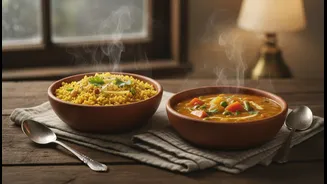
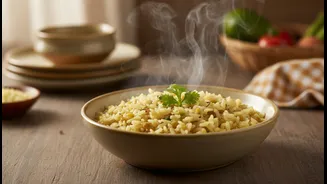
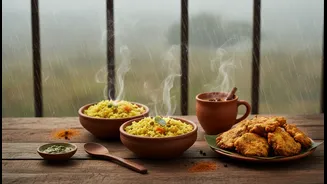
Cooking with horse gram requires a little patience, but the earthy, robust flavour is worth the effort. Due to its tough outer skin, it needs to be soaked for a significant period—ideally overnight, or at least for 8 hours. After soaking, it typically requires pressure cooking for about 30-40 minutes to become tender. Once cooked, it can be used in a variety of dishes. A simple kulthi dal, similar in preparation to rajma masala, is a great starting point. The cooked water, or stock, is highly nutritious and is often used to make a peppery rasam. The boiled legumes can also be stir-fried into a 'palya' or 'sundal' with coconut and spices, or even sprouted to enhance their nutritional value.
The Myth of the 'Miracle Food'
With its impressive nutritional profile, horse gram has become a target for exaggerated health claims. It is often touted online and in wellness circles as a miracle cure for everything from kidney stones to rapid weight loss and diabetes. While some traditional systems like Ayurveda do use horse gram for various ailments, and preliminary studies show potential benefits for things like blood sugar regulation, many claims are overstated and lack strong scientific evidence in humans. For example, while its high fiber and protein content can certainly support weight management as part of a healthy lifestyle, it is not a magic fat burner. Similarly, claims about dissolving kidney stones are based more on traditional use than on rigorous clinical trials.
A Sensible Approach to a Super Legume
The key is to approach horse gram not as a cure-all, but as a highly nutritious and versatile ingredient. Its real strength lies in its ability to add affordable, high-quality protein and fiber to everyday meals. Overconsumption can lead to digestive issues like gas and bloating due to its high fiber and specific carbohydrates. Furthermore, it contains antinutrients like phytic acid, which can interfere with mineral absorption, though this is significantly reduced by proper soaking and cooking. People with conditions like gout or a tendency for certain types of kidney stones are sometimes advised to consume it in moderation. The bottom line is simple: horse gram is a fantastic food, not a pharmaceutical.