


The Protein Puzzle
Protein is a vital macronutrient essential for nearly every function in your body. It builds and repairs tissues like muscle, supports your immune system, and acts as a source of energy. Think of protein as the fundamental building material for your body's
cells. While animal-based foods are well-known sources, the plant kingdom offers a vast and healthy array of protein options. However, to truly unlock their power, it helps to understand what makes a protein 'complete'.
Meet the Amino Acids
Proteins are constructed from smaller units called amino acids. Your body needs 20 different amino acids to function correctly. While it can produce 11 of these on its own (non-essential amino acids), there are nine that it cannot make. These are called 'essential amino acids', and they must be obtained from the food you eat. A food source that contains all nine of these essential amino acids in sufficient amounts is known as a 'complete protein'. While most animal proteins are complete, many individual plant-based foods are not. This is where the concept of synergy becomes so important.
The Synergy Secret
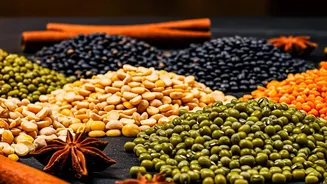
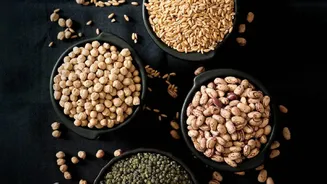
Most plant foods are strong in some essential amino acids but low in others. This is why they are often called 'incomplete' proteins. For instance, grains like rice and wheat are typically low in an essential amino acid called lysine. On the other hand, pulses—which include lentils (dal), chickpeas, beans, and peas—are rich in lysine but tend to be low in the sulfur-containing amino acids, methionine and cysteine. By themselves, they offer great nutrition, but they don't provide the full set of building blocks your body needs in one go. This reciprocal deficiency is not a weakness but an opportunity for a perfect nutritional partnership.
A Perfect Partnership
When you combine a pulse with a grain, they complete each other's nutritional profile. The abundant lysine in the dal, for example, makes up for what's lacking in the rice. Conversely, the rice provides the methionine that the dal is low on. Together, they create a meal with a complete amino acid profile, providing your body with all the essential building blocks it needs, similar to what you would get from an animal protein source. This powerful combination is not just a theory; it is the foundation of many staple meals enjoyed across India and around the world for centuries.
Delicious Duos You Already Love
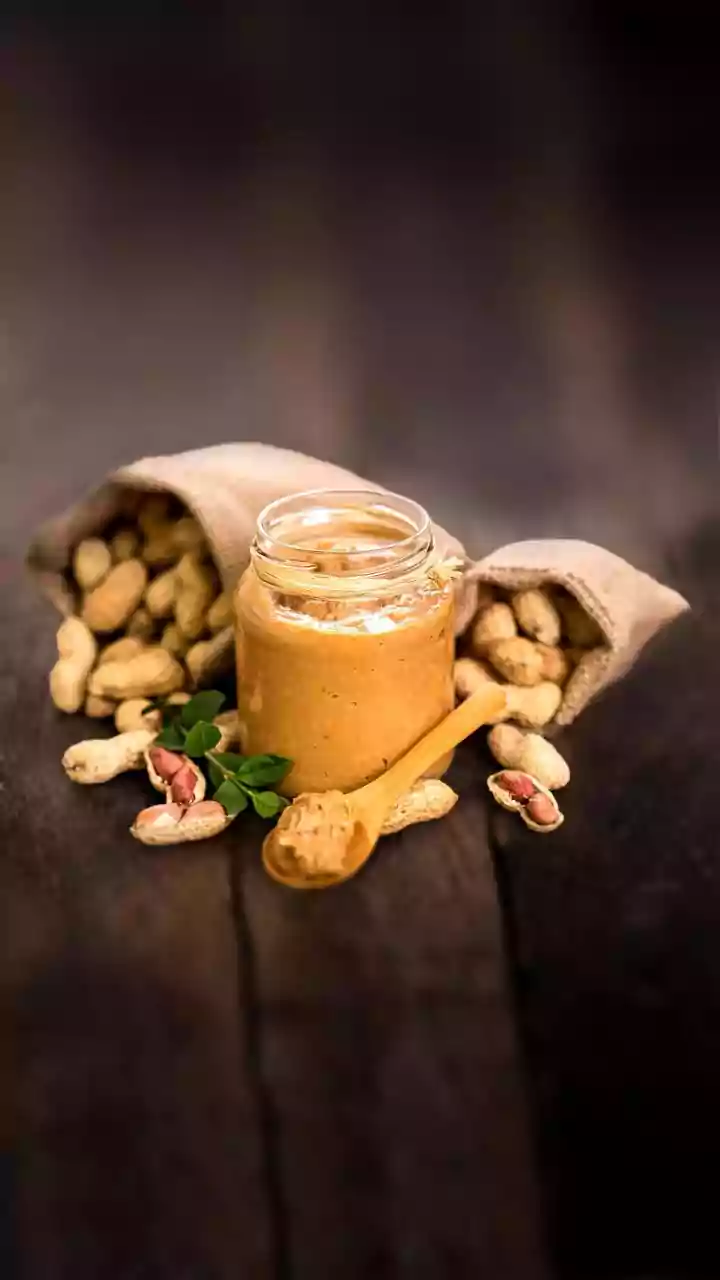
The beauty of this nutritional rule is that it's already a delicious part of Indian food culture. The most classic example is dal and rice, a comforting and nutritionally complete meal. Other beloved combinations include rajma-chawal (kidney beans and rice), roti (a grain) with any dal, and khichdi, a wholesome one-pot dish of rice and lentils. South Indian staples like idli and dosa are made from a fermented batter of rice and lentils, showcasing another brilliant way this pairing delivers complete protein. Even a simple snack like a peanut butter sandwich on whole-grain bread is an example of protein synergy at work.
Timing Is Everything (Or Is It?)
An older nutritional myth suggested that you needed to eat complementary proteins in the exact same meal for your body to use them effectively. However, modern nutritional science has shown this is not necessary. Your body maintains a reserve pool of amino acids it can draw from throughout the day. As long as you eat a varied diet that includes both grains and pulses over the course of a day, your body can mix and match the amino acids as needed to build complete proteins. So, there's no need to stress about perfect pairing at every single meal, but enjoying them together remains a simple and effective strategy.