





Your Daily Scans Are Safe
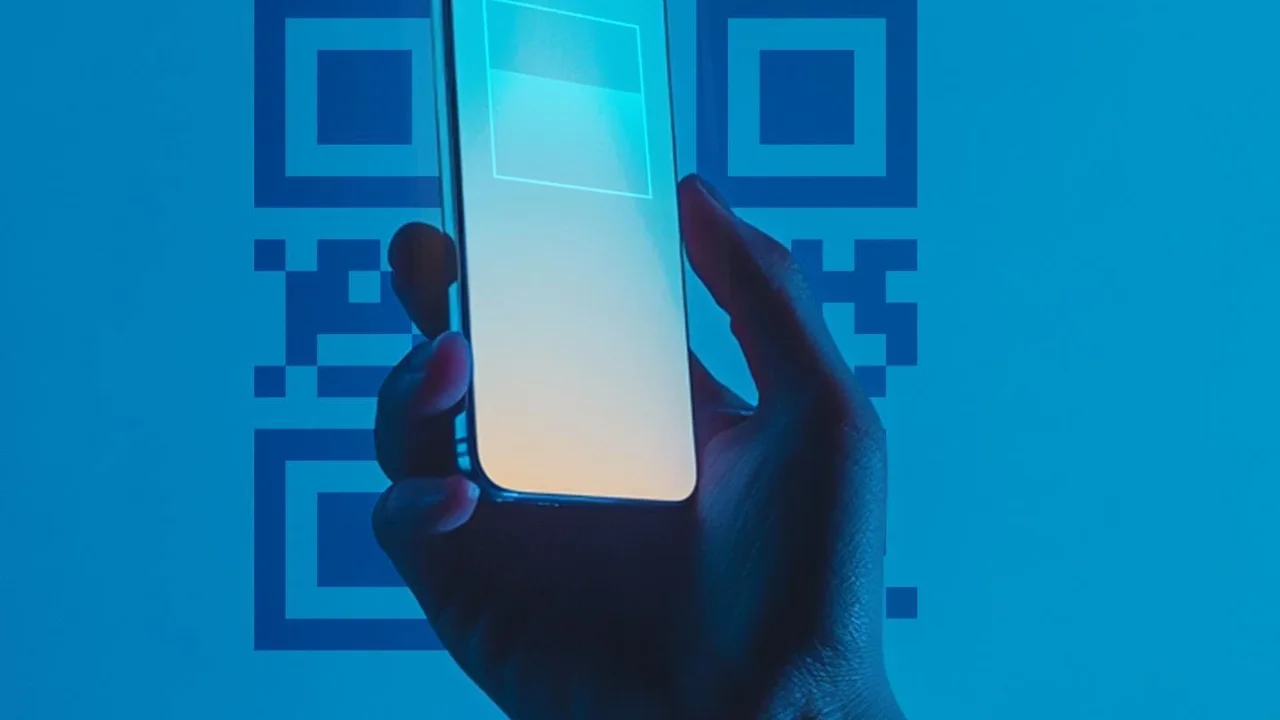
First, the most important clarification: standard Unified Payments Interface (UPI) transactions are not becoming chargeable for consumers. Sending money to a friend or paying your local vegetable vendor by scanning a QR code from your bank account will
continue to be completely free. The Government of India and the National Payments Corporation of India (NPCI) have both confirmed that person-to-person (P2P) and most person-to-merchant (P2M) bank account-to-bank account transfers are unaffected by these changes. The new charges apply to a very specific type of transaction that most people rarely, if ever, make.
Understanding the Interchange Fee
The new charge is a 1.1% “interchange fee.” This fee is not paid by the customer. Instead, it is levied on merchants for certain transactions over ₹2,000. Specifically, it applies only when a customer pays a merchant using a Prepaid Payment Instrument (PPI) through the UPI network. Think of this as an operational fee that helps payment service providers, like digital wallet companies, cover the costs of running their services. It's designed to create a sustainable revenue model for the companies that facilitate these specific types of payments, not to charge users.
What is a PPI Transaction?
This is where the confusion often begins. A PPI is essentially a digital wallet or prepaid card where you store money beforehand, such as a Paytm, PhonePe, or Amazon Pay wallet. A normal UPI payment moves money directly from your bank account to the merchant's bank account. A PPI-based UPI payment, however, moves money from your pre-loaded digital wallet to the merchant. The new 1.1% fee only applies to this second category—payments from a wallet to a merchant—and only for amounts exceeding ₹2,000. Even then, this fee is paid by the merchant receiving the money, not the person spending it.
Why This Change Is Happening
While UPI has been a revolutionary force for digital payments in India, its free-for-all model presents a long-term sustainability challenge. Payment service providers incur significant costs for infrastructure, security, and transaction processing. The interchange fee is an attempt to create a revenue stream for PPI issuers (the wallet companies) to help them cover these costs and continue investing in the ecosystem. This ensures they can remain viable without having to charge users for loading money or making standard bank-to-bank transfers. Different merchant categories also have different rates; for instance, fuel stations have a lower fee of 0.5%, while payments for insurance or mutual funds are at the higher end.
Will Merchants Pass the Cost to You?
This remains the biggest question. While the charge is officially on the merchant, there's always a possibility that some businesses might try to pass this cost on to the consumer, perhaps by adding a surcharge for wallet-based payments over ₹2,000 or by slightly increasing their prices overall. However, the fee structure is designed to minimise this impact. It specifically targets larger merchants, and many small, everyday businesses will be exempt. The government's goal is to balance the need for a sustainable payment ecosystem with the desire to keep digital payments accessible and affordable for the masses. The framework is threshold-based, meaning the vast majority of merchant transactions will remain free.