





The Urban Cat’s Dilemma
Cats are natural explorers, climbers, and surveyors of their territory. In the wild, they seek high vantage points for safety and to watch for prey. For the modern indoor cat living in an apartment in Mumbai, Bengaluru, or Delhi, these instincts don't
just disappear. Limited floor space can lead to boredom, stress, and even behavioural issues. When a cat feels under-stimulated or lacks a personal space to retreat to, it can manifest as anxiety or destructive habits. The four walls of an apartment, no matter how loving the home, can feel restrictive for an animal hardwired to roam and climb. This is the core challenge that a growing number of devoted pet owners are now solving with creative, gravity-defying solutions.
Thinking Vertically: The 'Catification' Solution
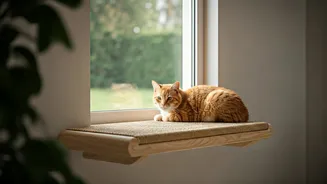
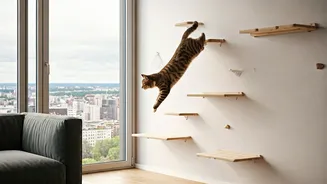
Enter the concept of ‘catification’—the art of modifying your home to better suit your cat's innate needs. The most effective way to do this in a small home is to think vertically. By utilising wall space, you can create a ‘feline highway’ that expands your cat's world without sacrificing precious floor area. Vertical territory provides cats with a sense of security and control. From a high perch, they can observe household activities from a safe distance, satisfying their curiosity while feeling unthreatened. This vertical expansion effectively multiplies their living space, allowing them to establish their own zones for resting, playing, and hiding, which is crucial for their mental and physical well-being.
What Are Cat Climbing Bridges?
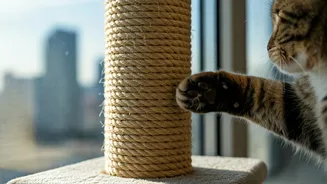
At the heart of this trend are multi-tiered vertical wall climbing bridges. These are not your old-fashioned carpeted cat trees. Instead, they are stylish, modular systems of shelves, perches, and suspended bridges mounted directly onto the wall. Typically crafted from solid wood, sisal rope, and sturdy fabric, these structures allow cats to navigate from one point to another without ever touching the floor. A simple setup might involve a few staggered shelves leading to a cosy hammock, while more elaborate designs feature long, swaying rope bridges connecting platforms across an entire living room wall. They serve as both a jungle gym and a personal superhighway, offering pathways that mimic the tree branches and high ledges their ancestors would have traversed.
A Win for Aesthetics and Space
One of the biggest appeals of modern cat wall furniture is its design-forward approach. Forget bulky, unsightly pet accessories. Many of these systems are minimalist and sleek, blending seamlessly with contemporary interior design. Made from natural wood tones, they can act as a unique decorative feature or a piece of 'living art' that also happens to serve a function. For high-rise dwellers, this is a double victory. You reclaim your floor space from cumbersome cat towers while simultaneously adding a stylish, architectural element to your home. It’s a sophisticated way to show you’re a dedicated cat parent without compromising on your personal aesthetic.
DIY vs. Store-Bought: Getting Started
Inspired to build a vertical paradise for your pet? You have two main routes: purchasing a pre-made kit or going the DIY route. Companies and online sellers offer a huge variety of modular components that you can mix and match. While convenient, ensure you check the quality of the materials and the weight capacity. Safety is paramount. The most crucial step is secure installation. Always mount shelves and bridges into wall studs or use heavy-duty drywall anchors designed to hold significant weight. If you're handy, a DIY project can be a cost-effective and customisable alternative. Using solid pine wood, strong brackets, and natural sisal rope, you can design a layout perfectly tailored to your space and your cat’s agility. Start small with a couple of shelves and observe how your cat uses them before expanding.