


The Familiar Frustration of the Hills
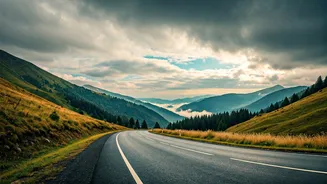
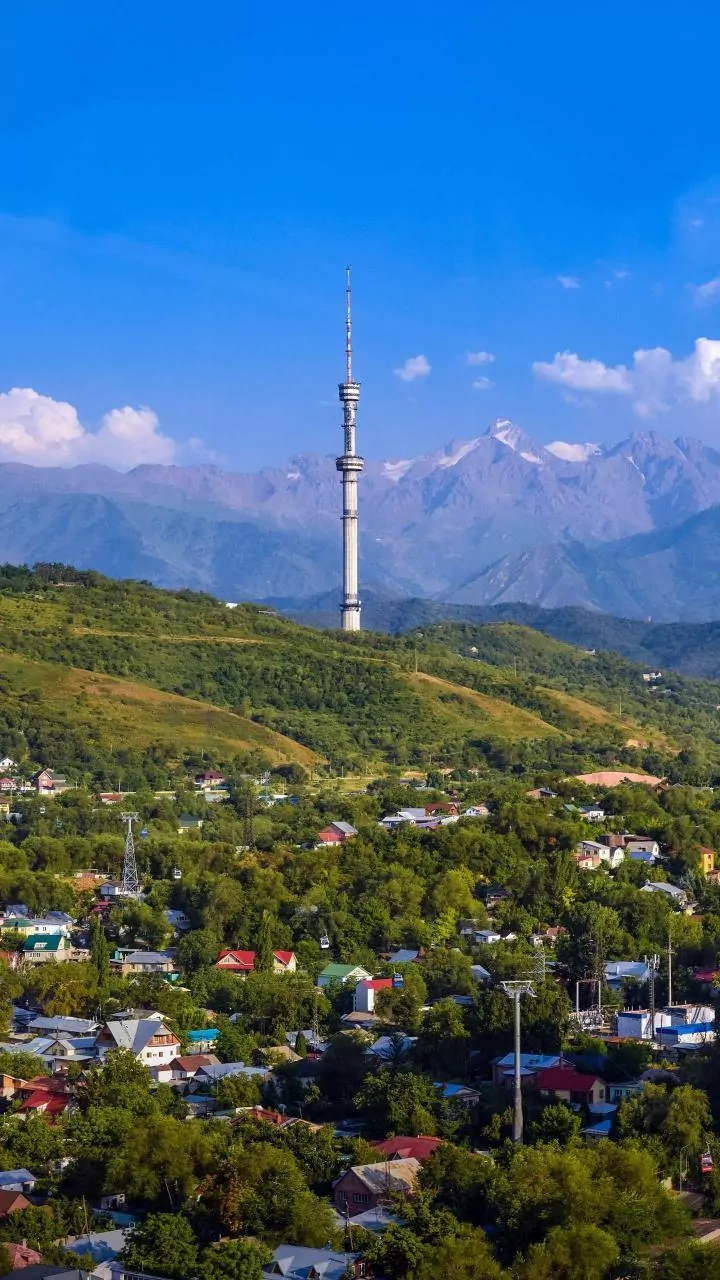
For generations of Indians, summer and holidays have meant one thing: heading for the hills. Places like Shimla, Manali, Mussoorie, and Ooty are woven into our collective memory. Yet, in recent years, this dream has soured for many. The promise of serene
Himalayan vistas is often broken by the reality of bumper-to-bumper traffic snaking up the mountainside. The quaint charm of the town square is lost in a sea of tourists, selfie sticks, and commercialised shops selling identical souvenirs. Hotels are overbooked and overpriced, and the quiet you sought is replaced by the constant hum of a bustling city, just at a higher altitude. This phenomenon of 'overtourism' isn't just an inconvenience; it strains local resources, damages fragile ecosystems, and ultimately diminishes the very experience travellers are seeking.
Enter Glamping: Nature Without the Hardship
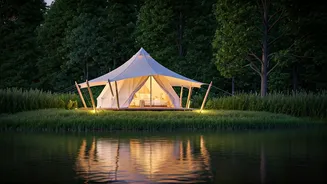
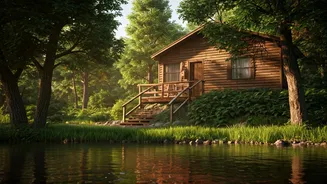
Somewhere between the ruggedness of traditional camping and the predictability of a hotel lies glamping. The term, a portmanteau of 'glamorous' and 'camping', perfectly captures its essence. It’s about immersing yourself in nature without sacrificing comfort. Forget struggling with tent poles or sleeping on the hard ground. Glamping accommodations are typically spacious, sturdy tents or pods furnished with real beds, plush linens, private en-suite bathrooms, and often, amenities like air conditioning or heaters. It’s the ideal compromise for those who crave a connection with the outdoors but aren’t quite ready to give up the creature comforts of modern life. The focus shifts from merely surviving in the wild to truly enjoying it in style and comfort.
The Unique Allure of the River Island
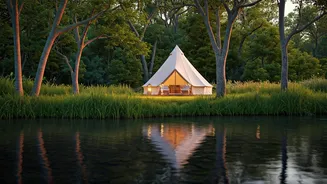
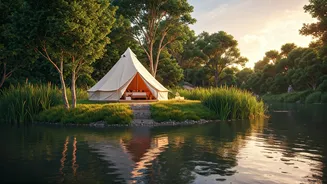
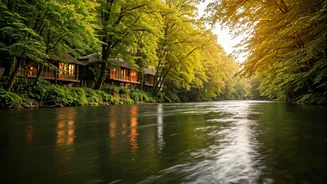
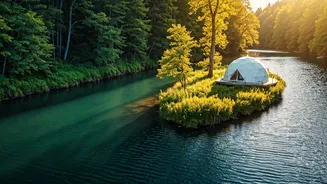
Now, combine the luxury of glamping with the unique geography of a river island. This is where the magic truly happens. Destinations along the Ganges near Rishikesh, the Brahmaputra in Assam (like Majuli), or hidden gems in Karnataka offer an experience that high-altitude resorts simply cannot match. Your morning alarm isn't the sound of traffic, but of water lapping against the shore and the call of a distant bird. Instead of jostling for a view, you have an uninterrupted panorama of the sky and water. The natural boundary of the river creates a sense of seclusion and exclusivity. You feel genuinely disconnected from the urban chaos, allowing for a deeper sense of peace and relaxation to set in. It’s an escape in the truest sense of the word.
Trading Sightseeing for Deeper Experiences
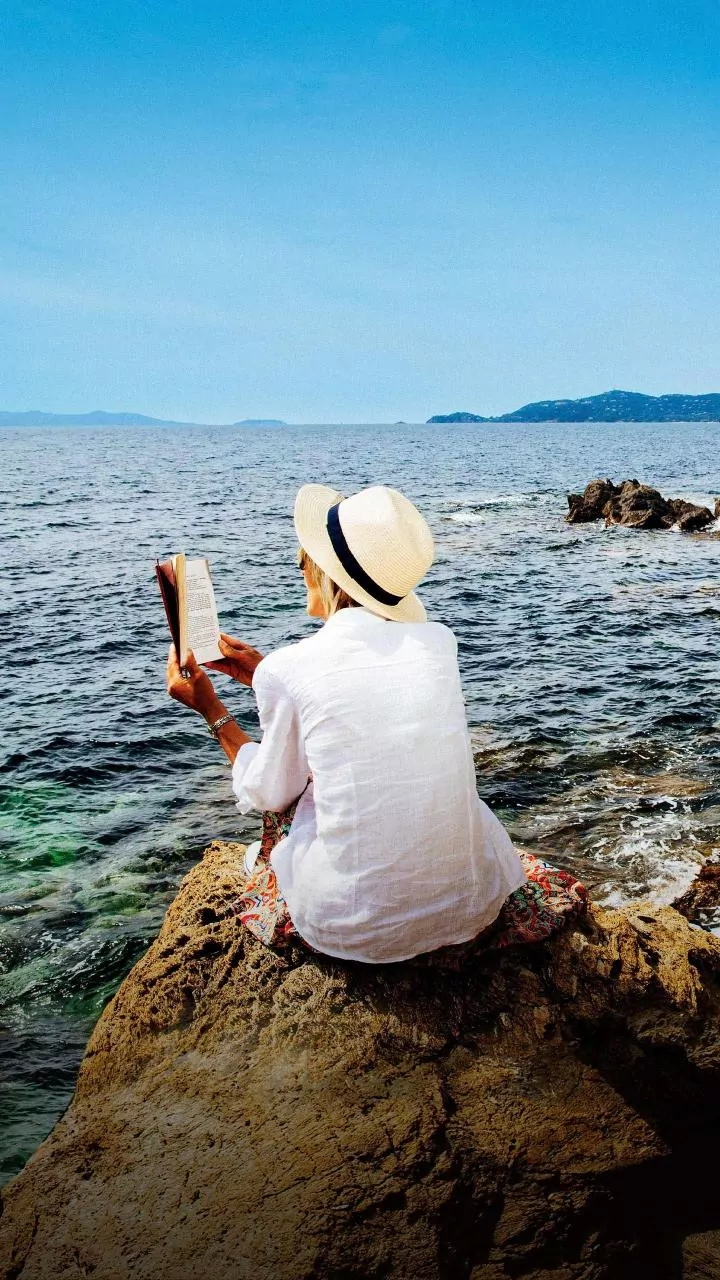
Hill station tourism often devolves into a checklist: visit this viewpoint, take a photo at that lake, ride the cable car. River island glamping, by contrast, is activity-oriented but in a more organic way. The experience *is* the main attraction. Your days might be filled with kayaking down a gentle current, taking a guided nature walk to spot local flora and fauna, learning basic angling, or simply reading a book in a hammock. Evenings are for bonfires, stargazing in skies free from city light pollution, and enjoying freshly prepared meals, often featuring local ingredients. It’s a shift from passive sightseeing to active, mindful engagement with your surroundings.
A More Conscious Way to Travel
The environmental argument is also compelling. The unchecked construction and massive tourist footfall in popular hill stations have led to significant ecological problems, including deforestation, water shortages, and waste management crises. Many glamping operators, particularly those in sensitive riverine ecosystems, are built on a foundation of sustainability. They often use temporary structures that have a minimal footprint, rely on renewable energy sources like solar power, and implement strict waste management and water conservation practices. By choosing such an option, travellers are not just opting for a better experience but are also making a more responsible choice that helps preserve the natural beauty they came to enjoy.