
The Protein Puzzle: Understanding Amino Acids
Protein is the essential building block for muscle repair and growth. Proteins are made up of smaller compounds called amino acids. Your body needs 20 different amino acids to function, nine of which are considered 'essential' because the body cannot
produce them. These must come from your diet. Animal proteins are 'complete', meaning they contain all nine essential amino acids in sufficient amounts. Many plant proteins, however, are 'incomplete', meaning they are low in one or more of these essential amino acids. But this isn't a problem; it just requires a little bit of nutritional teamwork.
Why Combining Plant Proteins Is Key
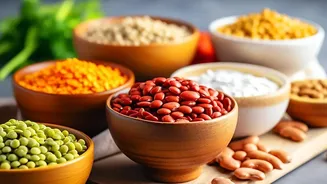
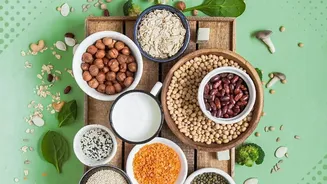
The idea of combining plant foods to create a complete protein is a cornerstone of vegetarian and vegan nutrition. Think of it like this: different plant groups are strong in some amino acids and weak in others. For example, legumes like lentils and beans are typically low in the amino acid methionine but high in lysine. Grains, on the other hand, are low in lysine but have plenty of methionine. When you eat them together—like with the classic Indian meal of dal and rice—their amino acid profiles complement each other, giving your body everything it needs to build and repair muscle tissue effectively.
The Power Couple: Lentils and Tofu
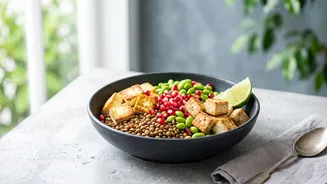
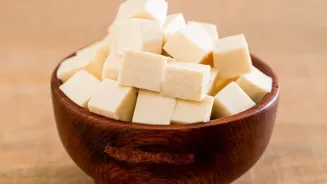
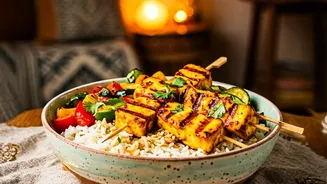
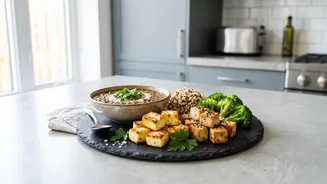
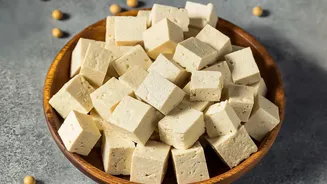
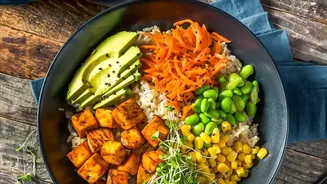
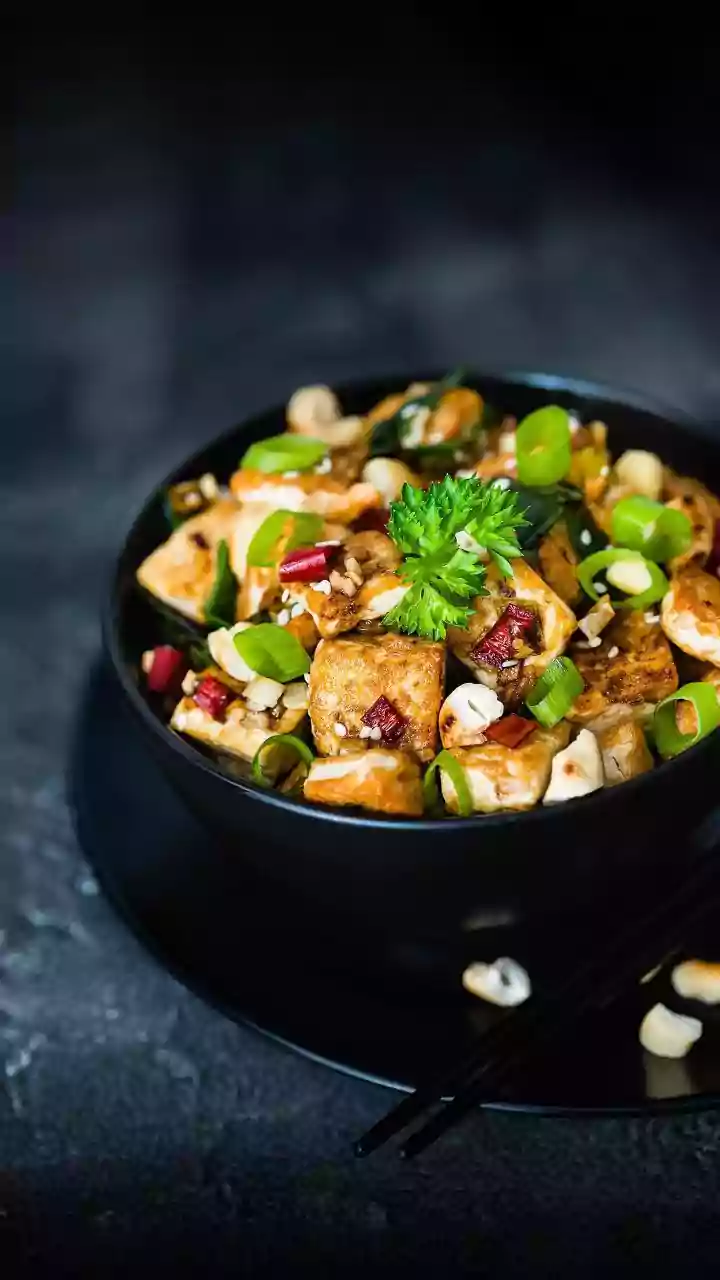
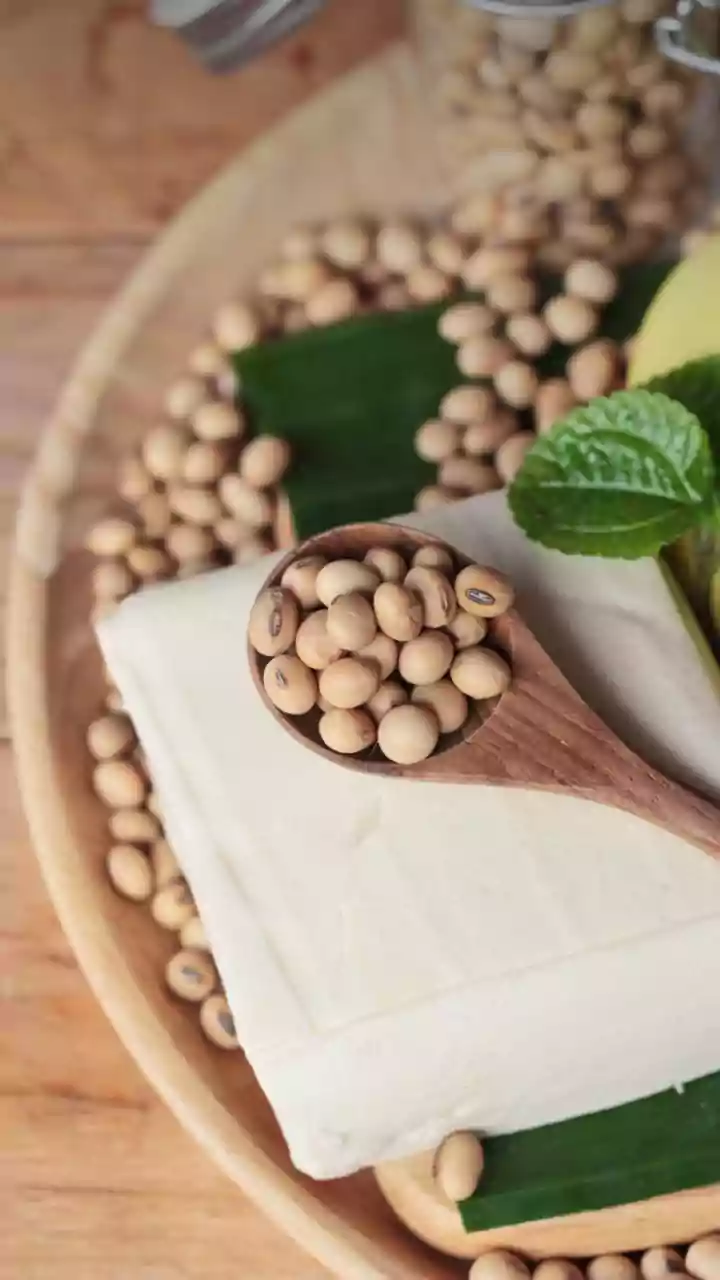
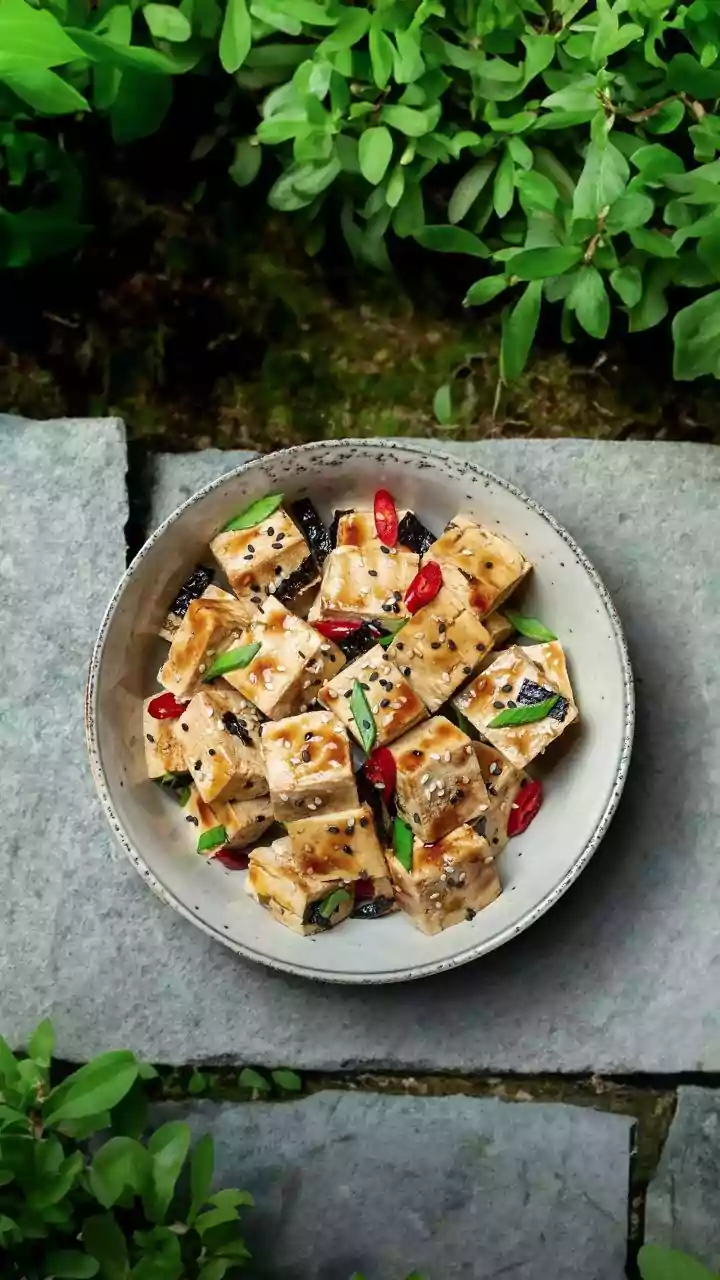
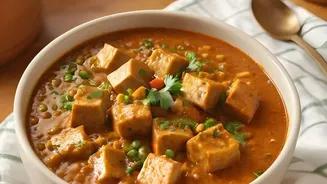
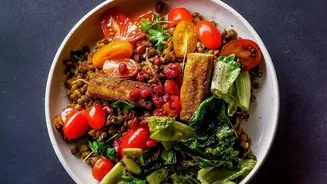
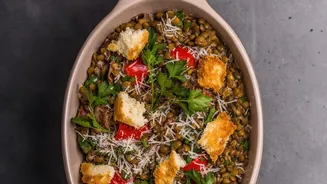
Lentils and tofu are a fantastic combination for any aspiring vegetarian athlete. Tofu, which is made from soybeans, is one of the few plant-based foods that is considered a complete protein on its own, providing all nine essential amino acids. A 100-gram serving of firm tofu offers a robust 17 grams of protein. Lentils, while not complete, are a nutritional powerhouse, providing about 9 grams of protein per 100g cooked serving, along with significant fibre, iron, and slow-release carbohydrates for sustained energy. Together, they create a meal that is not only high in quality protein but also texturally interesting—the firmness of tofu plays well against the earthy softness of lentils. A simple lentil curry with cubes of pan-fried tofu is a perfect post-workout meal.
More Smart Protein Pairings for Your Plate
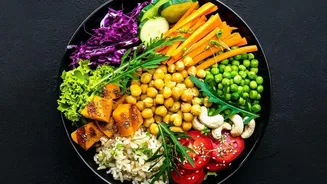
While lentils and tofu are a great start, variety is crucial for a balanced diet. The good news is that many traditional food pairings are naturally designed to form complete proteins. You're probably eating many of them already. Some classic, effective combinations include: Rice and beans, Hummus (chickpeas) and pita bread (wheat), Peanut butter on whole-wheat toast, and Oatmeal with pumpkin or sunflower seeds. The old rule that you needed to eat these combinations in the same meal has been relaxed; as long as you eat a variety of plant protein sources throughout the day, your body can store and combine the amino acids as needed.
Meeting Your Daily Protein Needs
So, how much protein do you actually need? The standard recommendation for an average adult is about 0.8 grams of protein per kilogram of body weight. However, for active individuals trying to build muscle, that number increases significantly. Most experts recommend a target of 1.2 to 1.6 grams of protein per kilogram of body weight for those engaged in regular strength training. For a 68 kg person, that's roughly 82 to 109 grams of protein per day. To hit this target, focus on including a quality protein source in every meal and snack. A tofu and lentil bowl for lunch, a scoop of pea protein in a post-workout smoothie, and a handful of nuts for a snack can help you easily meet your goals.