






The Limits of Calorie Counting
Nutrition education in many Indian schools, when it exists, often focuses on rote learning of food groups and the concept of calories. This approach teaches students to view food as mere fuel, a collection of numbers to be managed. However, this method
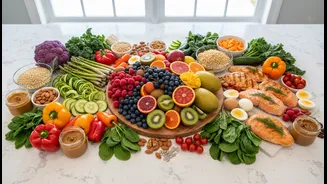
is fundamentally flawed. It overlooks the quality of the food, its cultural context, and the complex ways it interacts with our bodies. An exclusive focus on calories can lead to unhealthy eating patterns and a disconnected relationship with food, without tackling the root causes of poor nutrition. It fails to explain why a handful of almonds is vastly different from a packet of biscuits with the same calorie count, or why a traditional home-cooked meal offers more than what its components suggest.
Defining True Food Literacy
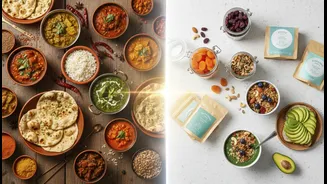
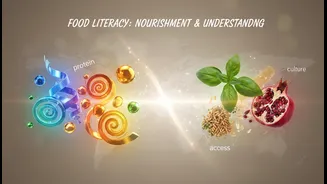
Food literacy is a more holistic and empowering concept. It is the ability to understand not just what is in our food, but where it comes from, how it is grown and prepared, and its impact on our health, environment, and economy. It involves practical skills like reading and interpreting complex food labels to identify hidden sugars and unhealthy fats, planning balanced meals, and making informed choices in a world of aggressive marketing. It also fosters an appreciation for local, seasonal produce and traditional food practices, connecting young people to their culinary heritage. In essence, food literacy equips individuals with the knowledge and confidence to take control of their health in a sustainable way.
India's Dual Nutrition Challenge
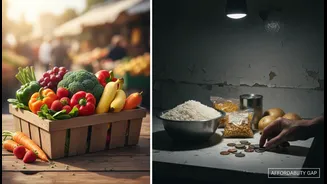
India faces a paradoxical public health crisis known as the "double burden of malnutrition." A significant portion of the nation's youth suffers from undernutrition, including stunting and micronutrient deficiencies like anaemia. Simultaneously, there is a sharp rise in over-nutrition, with increasing rates of childhood obesity and associated non-communicable diseases (NCDs) like diabetes and hypertension. This dual challenge is fueled by a shift towards ultra-processed, high-sugar, and high-fat foods, coupled with sedentary lifestyles. A simple calorie-focused approach is ill-equipped to handle this complexity. Food literacy, however, provides the framework to address both undernutrition, by promoting nutrient-dense affordable foods, and over-nutrition, by teaching critical consumption skills.
From Abstract Lessons to Lived Experience
Effective food literacy education cannot be confined to a textbook. It needs to be experiential and integrated into daily school life. Initiatives like the National Education Policy (NEP) 2020 have called for a more holistic approach to health and wellness in schools, creating an opportunity for change. This could mean establishing school nutrition gardens where students can grow their own vegetables, conducting cooking classes that teach healthy and traditional recipes, and reforming school canteens to offer nutritious options. Some schools have already seen success with such programs, demonstrating that hands-on learning makes nutrition concepts tangible and memorable. Furthermore, public awareness campaigns, like those encouraging consumers to read labels, are proving effective in shifting behaviour.
An Investment in the Nation's Future
Teaching food literacy is not just about improving individual health; it is a long-term investment in the nation's future. When young people are empowered with food knowledge, they grow into healthier adults, reducing the future strain on the healthcare system from lifestyle diseases. They become more conscious consumers, capable of navigating a marketplace filled with misleading claims. This knowledge can also influence their families, spreading awareness and fostering healthier habits at the community level. By moving beyond a simplistic focus on calorie numbers and embracing a comprehensive food literacy curriculum, we can equip the next generation of Indians with the essential life skills needed to thrive.