
For many, the ritual of making tea is a cherished daily comfort. But what if the way you brew and store your favourite leaves is accidentally ruining the experience? Let's correct a few common mistakes for a perfect cup, every single time.
Myth: Boiling Water is Best for All Teas
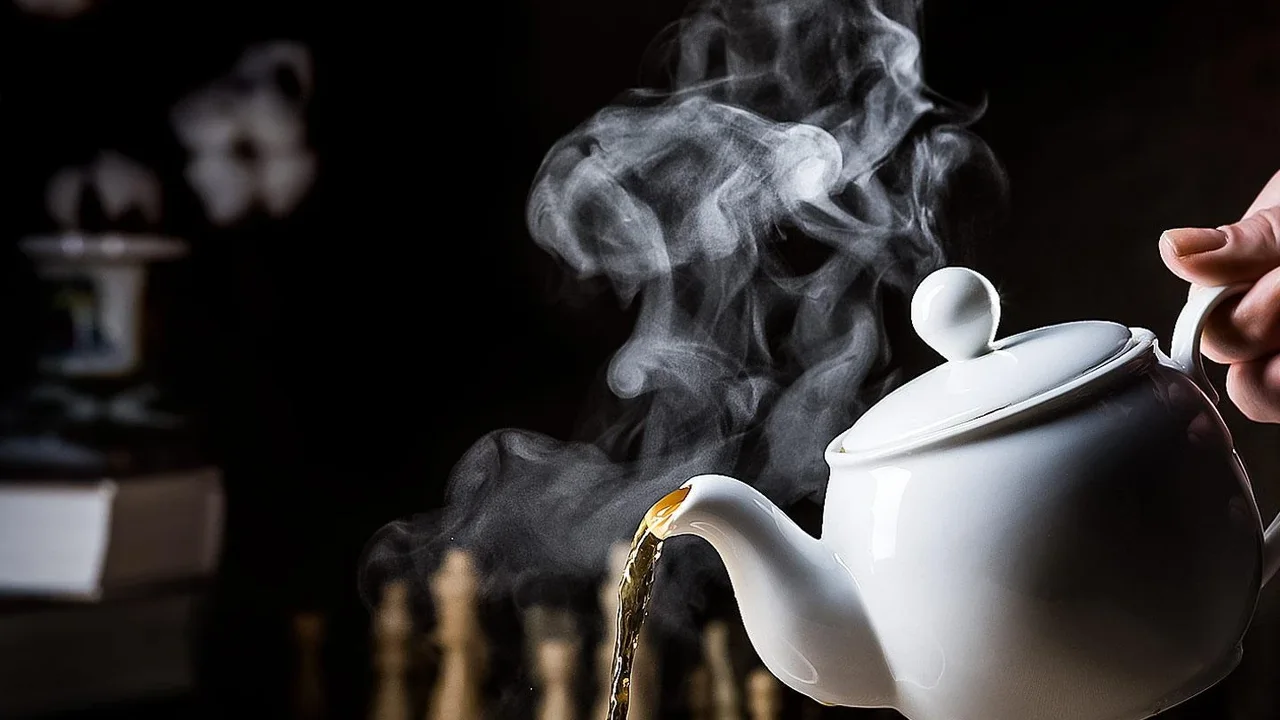
Pouring piping
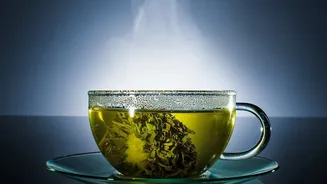
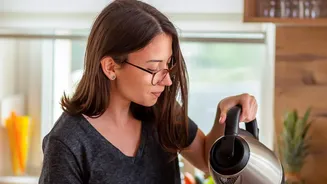
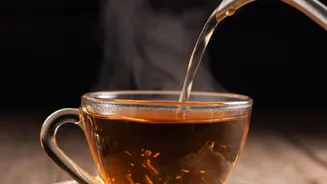
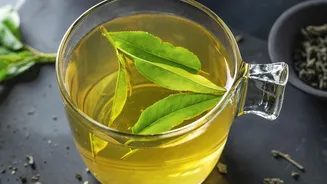
hot, rolling-boil water over any and every tea is one of the most common mistakes. While robust black teas, pu-erhs, and most herbal infusions can handle the heat, delicate leaves need a gentler touch. Using water that is too hot on green or white teas essentially 'burns' or 'scorches' the leaves. This process releases an excess of tannins and catechins, resulting in a cup that's unpleasantly bitter and astringent, masking the tea's intended sweet and nuanced flavours. The ideal temperature for green tea is between 70-80°C, while white teas are best brewed at 75-85°C. If you don't have a temperature-controlled kettle, simply let your boiled water sit for a few minutes to cool down before pouring.
Myth: Squeezing the Tea Bag Gets More Flavour Out
It feels intuitive: press the tea bag against your spoon to wring out every last drop of flavour. In reality, this habit does more harm than good. That last bit of liquid you're forcing out is not concentrated flavour; it's a high concentration of tannic acid. Tannins are naturally occurring compounds in tea leaves that are responsible for astringency, the dry, puckering sensation in your mouth. While a balanced level of tannins provides structure, squeezing the bag releases them in a bitter, overwhelming rush, killing the tea's nuanced flavour profile and leaving you with a harsh, dry cup. For a smoother brew, simply lift the bag out after it has steeped, let it drip for a moment, and then discard it.
Myth: Tea Stays Fresh Forever
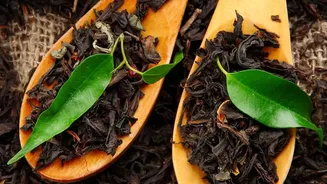
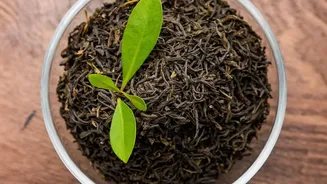
While dry tea leaves don't 'expire' or become unsafe to drink in the way perishable food does, they absolutely go stale. Tea's flavour and aroma come from volatile compounds and essential oils that degrade over time, especially when exposed to their enemies: air, light, heat, and moisture. Different teas have different lifespans. Delicate green teas are best consumed within 6 to 12 months for peak freshness. Oolongs and black teas, being more oxidized, are more stable and can last for 1 to 3 years. If your tea has lost its distinct aroma and the brewed cup tastes flat or dull, it's past its prime.
Myth: Any Airtight Jar on the Counter is Fine for Storage
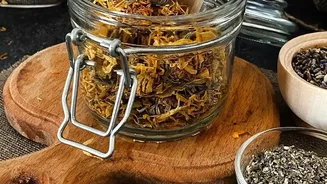
Storing tea in a clear glass jar on your kitchen counter might look pretty, but it's one of the worst things you can do. The two biggest enemies of tea freshness are air and light. Light, especially direct sunlight, causes the delicate chemical compounds in the leaves to break down, fading both the flavour and the colour. A clear container offers zero protection. Furthermore, tea is highly absorbent and will soak up strong odours from its surroundings, like spices or cooking fumes. The best storage solution is an opaque, airtight container—like a metal or ceramic tin—kept in a cool, dark, and dry cupboard away from the stove and other sources of heat and smells.
Myth: Steeping Longer Makes Tea Stronger
This is only half-true, and not in a good way. While leaving your tea to infuse for an extended period will indeed result in a more potent brew, it doesn't necessarily make it better. 'Stronger' in this case usually means more bitter. The desirable flavour compounds and the bitter ones extract at different rates. The sweet, savoury notes often release early in the steeping process. Over-steeping allows the bitter-tasting tannins to dominate the cup, creating an unbalanced and harsh flavour. Each tea has an ideal steeping time—often just 2-3 minutes for green teas and 3-5 minutes for black teas. If you want a stronger flavour, it's better to use more tea leaves rather than steeping for longer.
Myth: The Quality of Water Doesn't Matter
Considering tea is over 95% water, the quality of what you use has a massive impact on the final taste. Using water with a high mineral content ('hard' water) can result in a dull, flat-tasting cup and can sometimes create a scummy film on the surface. Conversely, overly soft or distilled water can produce a sharp or empty-tasting brew because some minerals are needed to properly extract flavour. Tap water that is heavy in chlorine can also impart an unpleasant chemical taste. For the cleanest and most authentic taste that lets the tea leaves' character shine, use filtered or spring water. If you only have tap water, letting it run for a moment or using a simple carbon filter can make a noticeable difference.