




Only Applying It on Sunny Days
One of the most common mistakes is treating sunscreen as a beach-day-only product. The reality is that harmful ultraviolet (UV) rays are present all year round. Up to 80% of the sun's UV radiation can penetrate through clouds, meaning your skin is exposed
even on overcast or cool days. Furthermore, UVA rays, which are responsible for premature aging, can pass through window glass. This means you’re getting sun exposure while driving or sitting near a window at home or in the office. To properly protect your skin, dermatologists recommend making sunscreen application a daily habit, regardless of the weather or your plans.
Relying Solely on SPF in Makeup
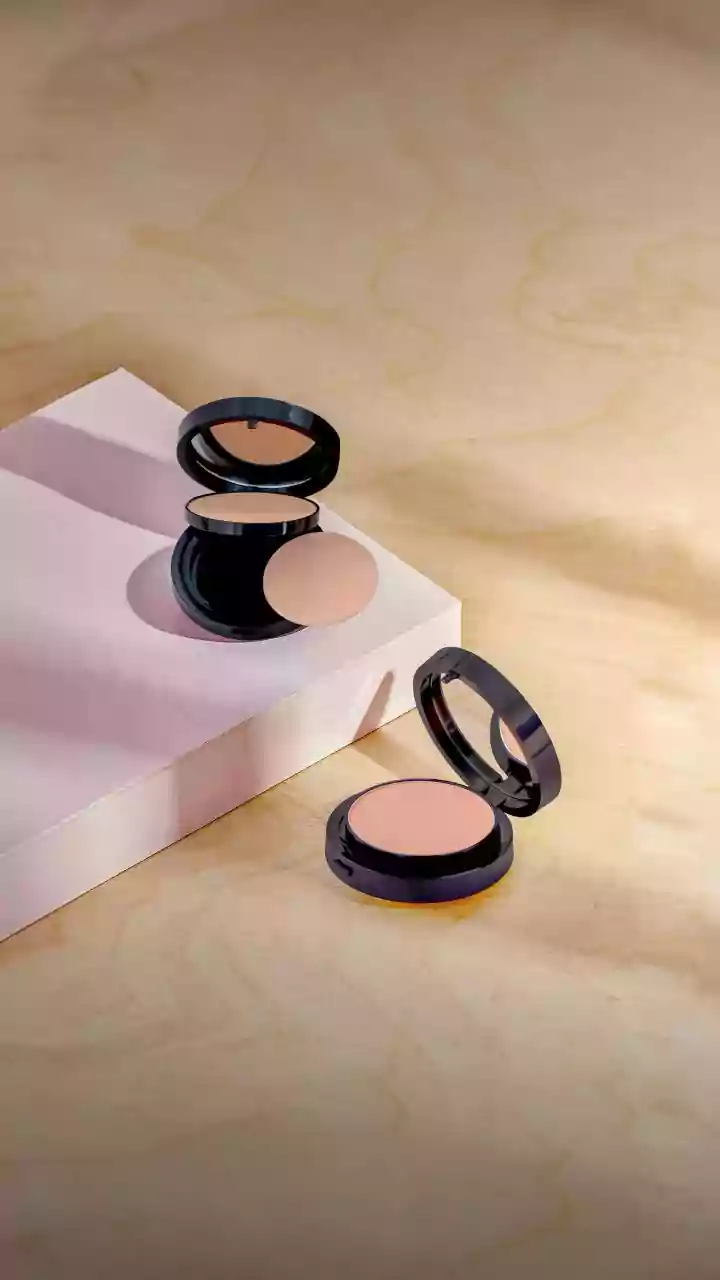
While foundation or tinted moisturiser with SPF seems like a convenient two-in-one, it rarely provides adequate protection on its own. The SPF rating on a product is determined based on applying a thick layer—far more than the amount of foundation most people use. Studies show people typically apply only a quarter to half of the amount needed to achieve the stated SPF. This means your SPF 30 foundation might only be giving you the protection of an SPF 10. Experts advise applying a dedicated broad-spectrum sunscreen with an SPF of 30 or higher as the last step of your skincare routine, before your makeup. Think of the SPF in your makeup as an extra bonus layer, not the main event.
Using Too Little Product
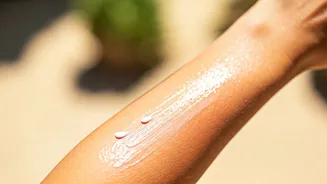
Even with a dedicated sunscreen, quantity matters immensely. Most people apply less than half the amount of sunscreen required for effective protection. To get the full SPF value listed on the bottle, you need to be generous. The general guideline for the body is about one ounce—enough to fill a shot glass. For the face and neck alone, a common recommendation is using about half a teaspoon or applying sunscreen along the length of your index and middle fingers. Applying too thin a layer can drastically reduce the level of protection, leaving you susceptible to burns and long-term damage.
Forgetting to Reapply
Applying sunscreen in the morning is a great start, but it isn't a one-and-done task. Sunscreen’s effectiveness diminishes over time as it breaks down with sun exposure. The standard rule is to reapply every two hours when you are outdoors. This interval shortens significantly if you are swimming, sweating, or toweling off. In those cases, you should reapply immediately after drying off, or at least every 40 to 80 minutes, depending on the product’s water resistance. Forgetting to reapply is one of the most frequent mistakes and a primary reason people still get sunburned despite using sunscreen.
Missing Crucial Spots
It’s easy to focus on the face, arms, and legs, but several high-risk areas are commonly missed during application. These often-neglected spots include the tops of the ears, eyelids, lips, the back of the neck, and the tops of your feet. The scalp, especially along the hair part or in areas with thinning hair, is also highly vulnerable. These areas receive significant sun exposure and are common sites for skin cancer. To ensure full coverage, be mindful during application and consider using products designed for specific areas, like an SPF lip balm or a powder/spray sunscreen for your scalp.
Using Last Year’s Bottle
Sunscreen does expire. The active ingredients that protect your skin degrade over time, making the product less effective. US Food and Drug Administration (FDA) regulations require that sunscreens maintain their original strength for at least three years. Most bottles have an expiration date printed on them. If yours doesn't, it’s a good practice to write the purchase date on it with a marker and toss it after three years. Storing sunscreen in hot places, like a car, can also cause the ingredients to break down faster. If you notice a change in the color, consistency, or smell of your sunscreen, it's best to replace it, even if it’s not past its expiration date.