

Meet the New Indian Traveller
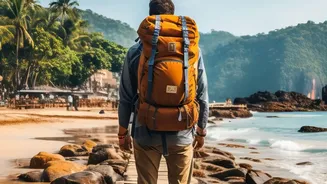
The new Indian traveller is less defined by age and more by a mindset. While largely composed of millennials and Gen Z, this group is united by a shared set of values. They are digitally native, environmentally conscious, and hungry for experiences over
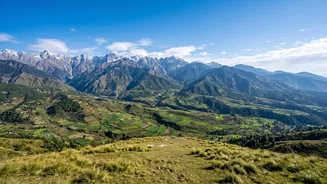
simple sightseeing. Unlike previous generations who might have focused on major monuments, this cohort seeks out hidden gems, local culture, and personal growth. Reports show this group has a significantly higher travel budget, with a striking 89% of Gen Z travellers planning to increase their travel spending. They are motivated by adventure, cuisine, and cultural immersion, and they see travel as an investment in memories and relationships. This extends to a willingness to pay for trips for family and even friends, viewing shared experiences as a priority.
From Sightseeing to Storytelling
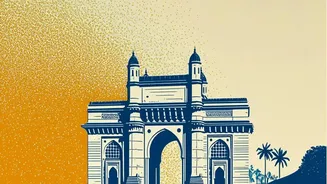
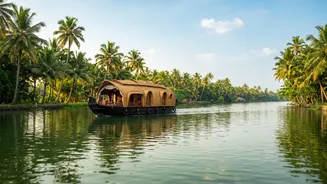
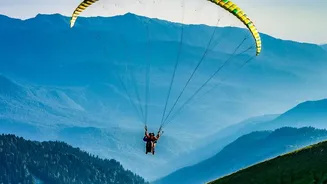
The biggest shift is the move from passive sightseeing to active, experiential travel. This new generation doesn't just want to see the Taj Mahal; they want to take a cooking class in a local home nearby, explore a lesser-known crafts village, or stay in a community-run homestay. This demand for authenticity is reshaping tour packages and itineraries. Travel companies are moving away from rigid, one-size-fits-all tours towards personalised journeys that allow for deep cultural immersion. The focus is now on creating a narrative, a story that the traveller can be a part of. This could mean participating in a local festival, learning a traditional art form, or exploring a region's gastronomy scene. This pivot towards experiences is expected to make experiential travel a dominant segment of Indian tourism by 2030.
Technology as the Co-Pilot
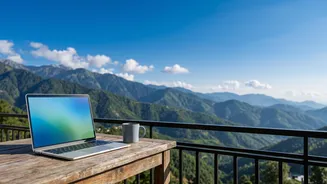
For the new Indian traveller, the journey begins on a screen. Social media is the new guidebook, and booking platforms are the travel agents. The tourism industry is rapidly adapting to this digital-first approach. Hotels and tour operators are leveraging technology not just for bookings but to enhance the entire travel experience. This includes everything from AI-powered chatbots for customer service to contactless check-ins. Augmented and Virtual Reality (AR/VR) are also being used to offer virtual tours, allowing potential visitors to explore destinations before they even book a flight. The government is also stepping in, with initiatives like the Incredible India Digital Platform using AI to provide personalised recommendations and real-time information to tourists.
The Rise of Responsible Travel
Sustainability is no longer a niche interest but a core expectation for many young travellers. There's a growing awareness of the environmental and social impact of tourism, leading to a demand for eco-friendly and responsible travel options. This has spurred the growth of eco-resorts, zero-waste initiatives, and community-based tourism projects across the country. Travellers are increasingly seeking out properties with green certifications, like those using solar power or practicing water recycling. The government has also recognized this trend, launching a National Strategy for Sustainable Tourism to guide the industry's development. This focus on sustainability extends to cultural preservation and ensuring that tourism benefits local communities directly.
How the Industry is Responding
The entire tourism ecosystem, from government bodies to private entrepreneurs, is gearing up for this new era. The Ministry of Tourism has launched campaigns like 'Dekho Apna Desh' to encourage domestic travel and is developing theme-based circuits under the Swadesh Darshan scheme to highlight lesser-known destinations. There's a significant investment in infrastructure, improving connectivity to remote areas. On the private side, there's a boom in innovative travel startups and homestays. Interestingly, many Gen Z individuals are not just travelling but also becoming hosts, turning their homes into guesthouses and sharing their local perspective with visitors, with some cities seeing over 120% growth in young hosts. This combination of top-down policy and bottom-up entrepreneurship is creating a more diverse, dynamic, and resilient tourism industry prepared for the future.