





Beyond the Health Halo
Let’s be clear: the health benefit is a huge draw. In a country that loves its pakoras, samosas, and vadas, the ability to achieve that satisfying crunch without deep-frying is revolutionary. With rising awareness of lifestyle diseases, an appliance that reduces
oil consumption is an easy sell. Reports suggest that air-fried foods can have significantly less fat than their deep-fried versions. This health-conscious positioning was the perfect entry point for the Indian market, which saw a major boom in air fryer sales post-pandemic as people focused more on healthy home cooking. But while health opened the door, it’s not the only reason the air fryer was invited to stay.
The Ultimate Convenience Machine
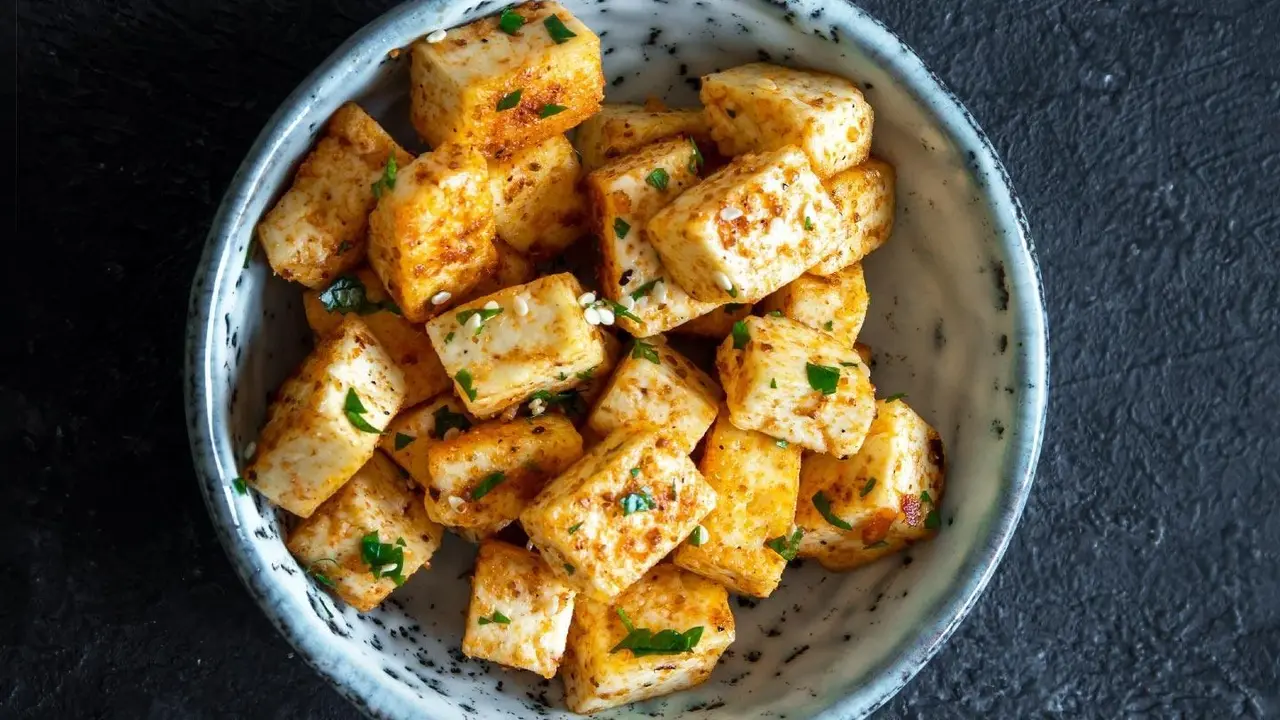
For busy urban households, time is the ultimate currency. The air fryer’s biggest selling point, beyond oil reduction, is its sheer convenience. Unlike a conventional oven, most air fryers require little to no preheating time, drastically cutting down the total cooking duration. Think about it: reheating leftovers, roasting vegetables, or even grilling a paneer tikka becomes a task of minutes, not an hour-long project. The 'set-it-and-forget-it' nature means minimal supervision is needed. Plus, cleanup is often as simple as washing a single non-stick basket, a far cry from scrubbing a greasy kadai or an entire oven.
A Surprisingly Versatile Workhorse
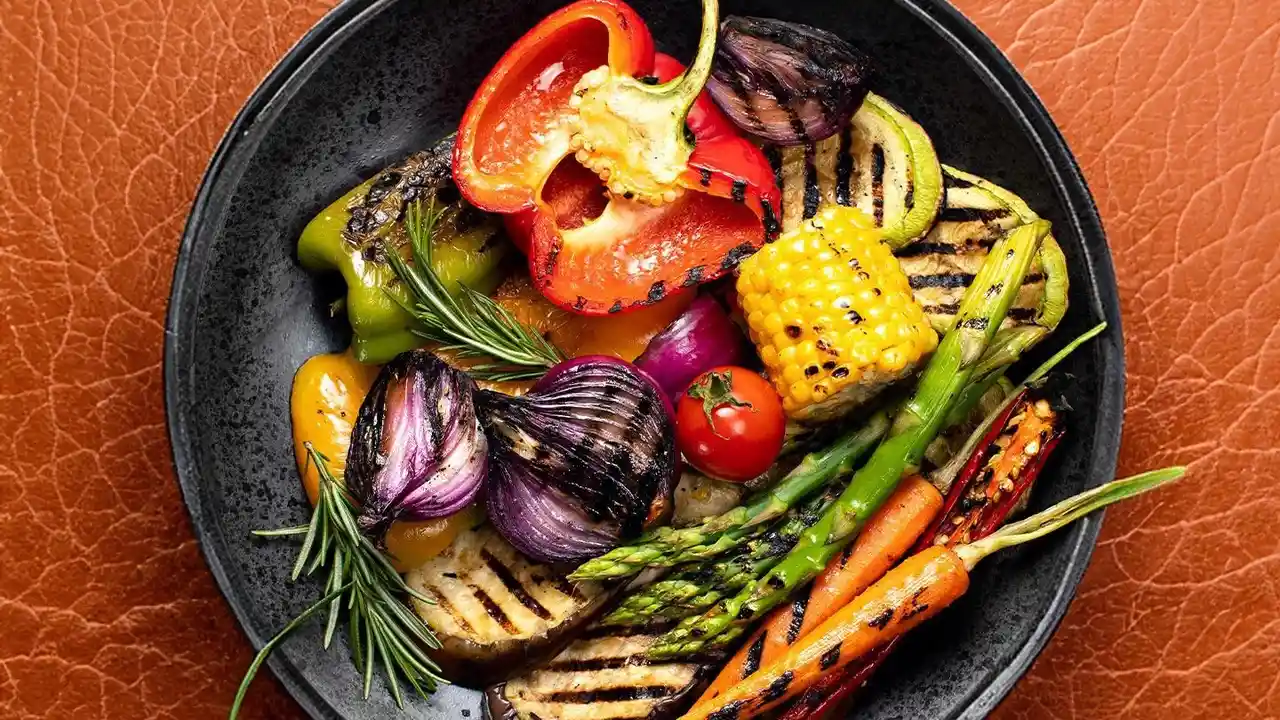
Initially marketed as a healthy alternative for frying, users quickly discovered the air fryer's incredible versatility. It’s not just for fries and chicken wings. Home cooks in India are using it for everything from roasting vegetables and making kebabs to baking small cakes and muffins. It can grill, roast, bake, and reheat, making it an all-in-one appliance for many. This adaptability makes it invaluable in modern kitchens where one gadget that can perform multiple functions is more practical than several single-use ones. It handles traditional Indian snacks as well as it does global fare, catering to the evolving palate of the modern Indian family.
The Energy and Space Saver
In an era of rising electricity bills and shrinking apartment sizes, the air fryer offers a practical advantage. As a compact countertop appliance, it’s a small convection oven that is more energy-efficient for cooking smaller meals than a large, conventional oven. An air fryer typically uses less electricity and cooks faster, leading to lower overall energy consumption per meal. For single people, young couples, or small families, heating a full-sized oven for a small batch of food is inefficient. The air fryer’s smaller footprint is also a perfect fit for the compact kitchens common in many new urban developments across India.
Fueled by the Social Media Engine
You can't discuss the air fryer's popularity without mentioning its viral fame. Social media platforms like Instagram and TikTok are flooded with air fryer recipes, hacks, and creative experiments. Food bloggers and influencers have played a massive role, showcasing everything from air-fried corn ribs to cheesecakes, inspiring millions of users to try new things with their appliance. This user-generated content creates a powerful network effect; the more people share their creations, the more others are inspired to buy an air fryer to join the trend. This digital word-of-mouth has arguably done more for its adoption among younger demographics than any traditional marketing campaign could.