






Understanding the New Digital System
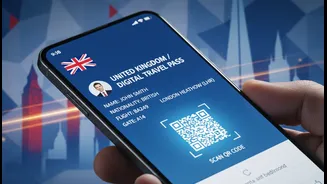
The United Kingdom has moved to a fully digital immigration system. As of early 2026, the familiar visa sticker in your passport has been replaced by an eVisa for Indian travellers. This eVisa is a digital permission to travel that is linked to your passport and
stored in an online UK Visas and Immigration (UKVI) account. This change is part of a wider push to digitise the UK border. For travellers from visa-waiver countries (like the US or EU nations), this means applying for an Electronic Travel Authorisation (ETA). It's crucial for Indian citizens to understand that they are not eligible for the ETA scheme; you must still apply for a standard UK visa, which is now issued digitally as an eVisa.
The Promise vs. The Reality
In theory, the digital system offers benefits: your passport doesn't need to be submitted for weeks, and a digital visa can't be lost or stolen. However, the rollout and operation have created new challenges. The system's efficiency is entirely dependent on perfectly accurate data entry and flawless technology. Recent system outages have left last-minute applicants stranded, unable to board flights because their authorisation wasn't processed in time. Airlines are now required to digitally verify that a passenger has permission to travel before boarding, and if the system shows no valid eVisa, you can be legally denied travel.
Common Pitfalls to Avoid
The biggest mistake travellers make is assuming the process is instant. While many applications are approved quickly, a significant number are delayed for manual review. Common reasons for delays or rejections include simple typos, such as a mismatched passport number or a slightly different name spelling. Poor quality photos, an unstable internet connection during application, or issues with the payment gateway can also halt your progress. Furthermore, any history of a previous visa refusal or immigration breach can trigger a mandatory refusal of an ETA, and complicate a standard visa application.
Tip 1: Apply Much Earlier Than You Think
The golden rule of the new digital system is to apply early. The official advice is to allow at least three working days for a decision on an ETA, but experience suggests a wider margin is safer for visa applications. For Indian travellers applying for a standard visitor eVisa, the processing can take up to three weeks or longer. Do not book non-refundable flights or accommodation until your eVisa is confirmed in your UKVI account. Start the process well in advance, ideally at least a month or two before your intended travel date, to account for any potential delays or requests for more information.
Tip 2: Triple-Check Every Detail
The digital system is unforgiving of errors. A tiny mistake can lead to rejection. Before submitting, meticulously check that all your personal details, like your name, date of birth, and passport number, exactly match your passport. The eVisa is electronically linked to the specific passport you apply with. If you renew your passport after your visa is issued, you must update your UKVI account with the new passport details before you travel, or you risk being denied boarding.
Tip 3: Master Your UKVI Account
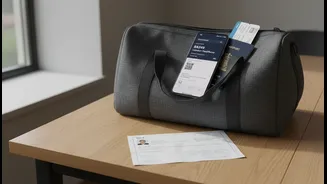
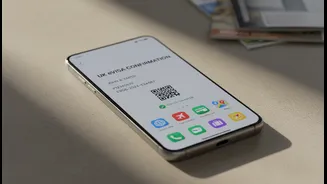
Your UKVI account is now your most important travel document. After you apply, you must create an account to view and manage your eVisa. Before heading to the airport, log in to your account, check that your eVisa status is correct, and ensure it is linked to the passport you are travelling with. It is wise to have a printed copy or a screenshot of your eVisa confirmation email as a backup, but the primary verification will be digital. Familiarise yourself with how to share your status through the account, as airlines may require it.