




The Metallic Taste Mystery
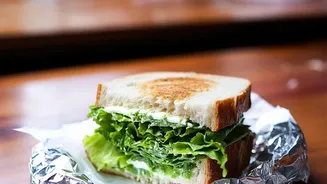
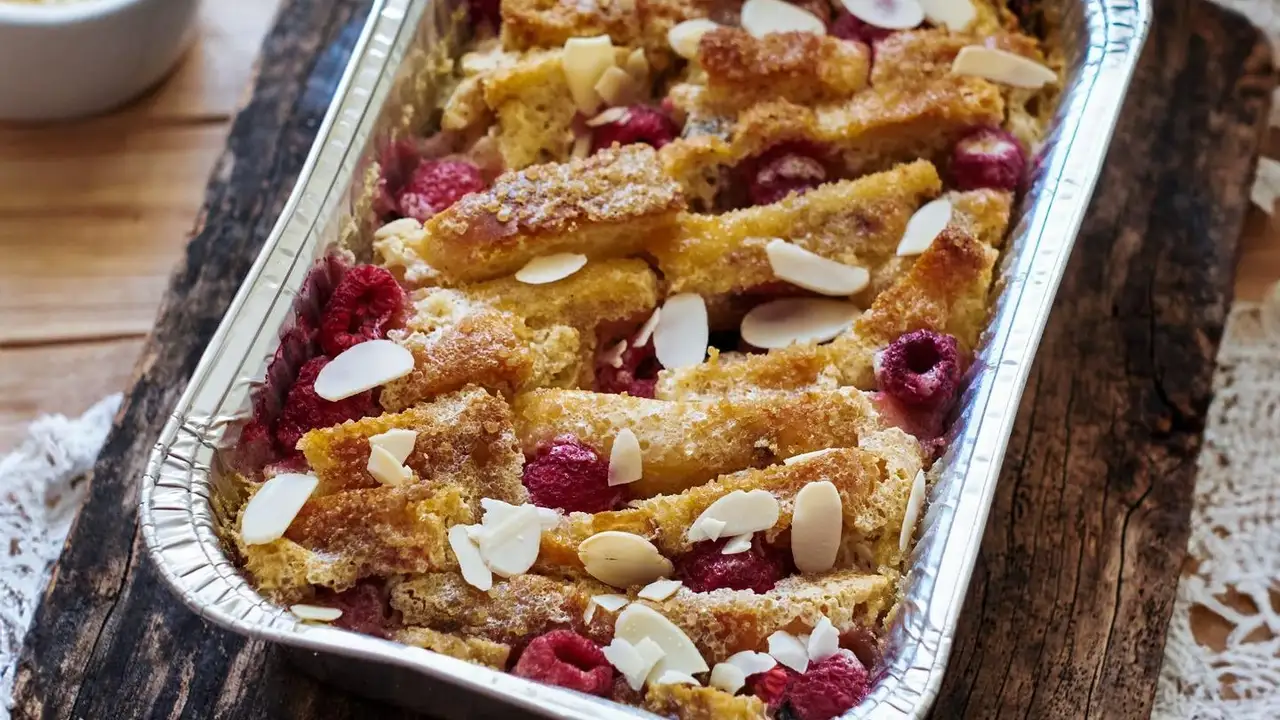
Aluminium foil has been a kitchen staple for decades, prized for its convenience in wrapping everything from sandwiches to large casserole dishes. It’s lightweight, easy to shape, and seems perfect for covering leftovers. However, many people have experienced
the unpleasant surprise of their food taking on a metallic flavour after being stored in foil. This isn't just your imagination; it's a chemical reaction happening right in your refrigerator. The effect is most pronounced with certain types of food, completely changing their taste profile and sometimes even their appearance.
The Science Behind the Flavour
The off-taste is caused by a process called leaching, where small amounts of aluminium transfer from the foil into your food. This happens when aluminium, a reactive metal, comes into contact with highly acidic or salty foods. Acids have the ability to break down, or corrode, the foil, causing aluminium salts to form and dissolve into the meal. This chemical reaction is why foods with ingredients like tomatoes, vinegar, citrus juices (like lemon or lime), and even some marinades are particularly susceptible. The longer these acidic foods are in contact with the foil, and the higher the temperature, the more aluminium can leach into them. Interestingly, if the foil covers a different type of metal container, like a stainless steel pot, the process can accelerate, essentially creating a weak battery where the acidic food acts as an electrical conductor.
Is It a Health Concern?
The thought of metal leaching into your food can be alarming, but the general scientific consensus is that the amount transferred from foil is typically very small. Our bodies are exposed to small amounts of aluminium from various sources daily, and healthy kidneys are efficient at flushing most of it out. However, while it may not pose a significant health risk for most people, some studies suggest that long-term, excessive intake of aluminium could be a concern. Given the potential, and the definite impact on your food's flavour and quality, it's a good practice to minimize exposure where possible, especially for short-term storage.
Common Foods to Keep Away from Foil
To avoid that metallic tang, be mindful of which foods you wrap directly in aluminium foil. The main culprits are highly acidic or salty dishes. This includes a wide range of everyday meals and ingredients such as: Tomato-based sauces, soups, and dishes like lasagna. Citrus fruits like lemons, limes, and oranges. Marinades and salad dressings containing vinegar or citrus. Pickled vegetables and other items preserved in brine. * Certain fruits like berries, apples, and rhubarb. When you use foil with these foods, you risk not only a metallic taste but also discoloration of the food.
Smarter, Tasteless Storage Solutions
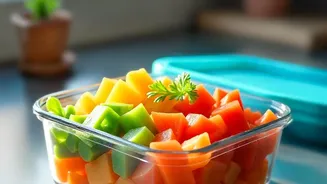
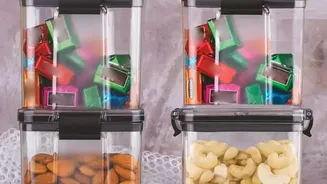
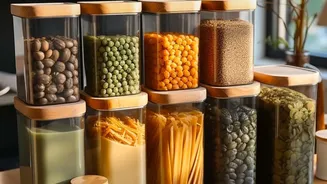
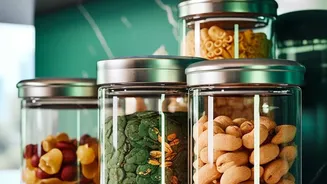
Fortunately, there are many simple and effective alternatives for storing acidic leftovers. Glass containers are an excellent choice because glass is inert, meaning it won't react with your food or absorb odours. Airtight glass or food-safe plastic containers will also keep food fresher for longer than a simple foil covering, which doesn't provide a perfect seal. For cooking or baking acidic foods, parchment paper can serve as a great barrier between the food and the foil. Stainless steel containers are another good option for storage. By choosing these alternatives, you can ensure your leftovers taste just as good the next day, without any unwanted metallic flavours.