





From Concrete Jungle to Green Larder
Most food eaten in cities travels hundreds, if not thousands, of kilometres to reach our plates. This journey, measured in 'food miles', has a significant environmental cost, from carbon emissions to excessive packaging. It also means that by the time
produce reaches us, it has often lost a significant amount of its nutritional value and flavour. The concept of 'edible plant energy' is a direct response to this. It’s about shortening the distance from farm to fork, embracing hyperlocal food grown within our immediate communities—or even in our own homes. This shift promises not just fresher, more nutrient-packed meals but also a more sustainable and resilient urban food system.
Your Balcony, Your Kitchen Garden
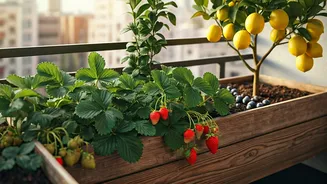
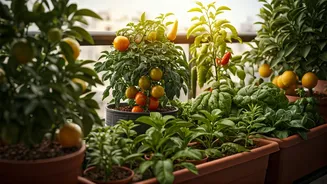
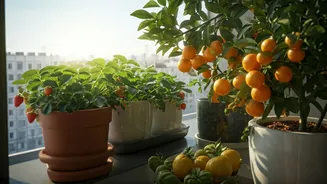
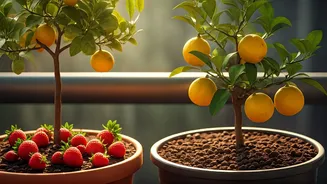
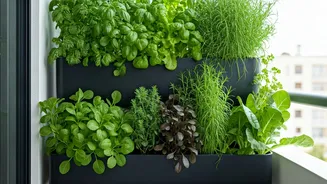
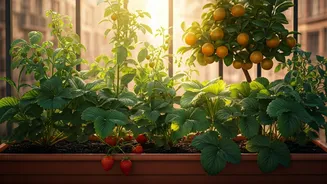
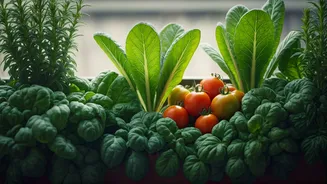
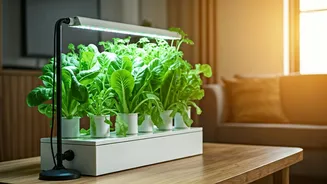
The easiest way to tap into this energy is to start small. Urban Indian homes are perfectly suited for container gardening. A sunny balcony, a windowsill, or a small terrace can be transformed into a mini-farm. Plants like mint (pudina), coriander (dhania), curry leaves, and tulsi are not only integral to Indian cooking but are also remarkably easy to grow in pots. Vegetables like chillies, tomatoes, spinach (palak), and fenugreek (methi) also thrive in containers, providing a steady supply of fresh produce. Starting a kitchen garden is not just about saving money; it’s about reconnecting with our food, ensuring it's free from harmful pesticides, and rediscovering the joy of harvesting something you've nurtured yourself.
The Power of the Community Plot
Beyond individual efforts, community gardens are powerful tools for transforming urban landscapes and social connections. These shared plots turn neglected or vacant lots into vibrant green hubs where neighbours can come together to grow food. The benefits are immense: they improve local air quality, promote biodiversity, and provide a space for social interaction across different ages and backgrounds. Community gardens also serve as educational spaces, where people can share gardening knowledge and learn about sustainable practices like composting and water conservation. They foster a sense of collective ownership and pride, making neighbourhoods greener, healthier, and more socially connected.
The Future is Fresh and Vertical
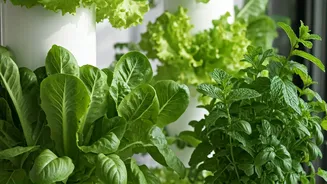
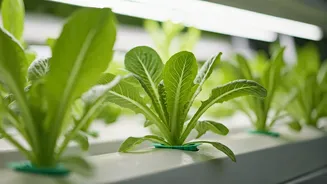
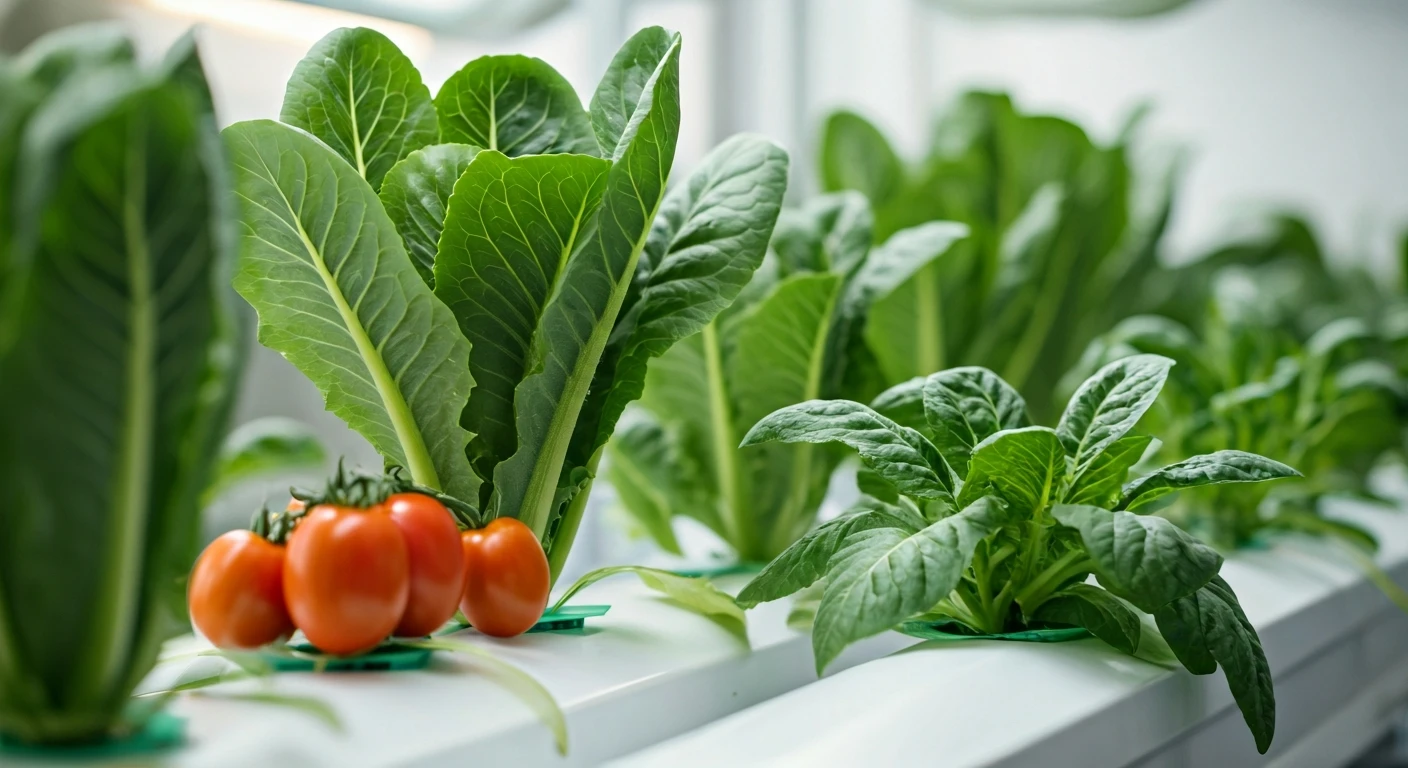
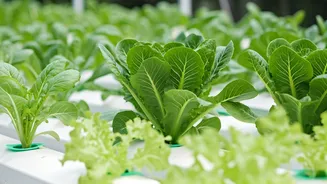
For commercial kitchens, the next frontier is vertical farming. This innovative method involves growing crops in vertically stacked layers, often indoors using hydroponic or aeroponic systems. This technique allows restaurants to cultivate an abundance of fresh herbs, leafy greens, and microgreens on-site, regardless of the season. By eliminating the supply chain, chefs can harvest ingredients minutes before they are used, ensuring peak freshness and flavour. Vertical farms are also incredibly resource-efficient, using up to 95% less water than traditional agriculture and no pesticides. This creates a closed-loop food system that reduces waste, cuts carbon emissions from transport, and offers diners an unparalleled farm-to-table experience.
Overcoming the Urban Challenge
While the vision of a green urban food system is inspiring, it's not without challenges. In many Indian cities, hurdles like limited space, water scarcity, and soil or water pollution can be significant barriers. High land costs and a lack of supportive urban planning policies can also hinder larger-scale projects like community farms. However, innovation is providing solutions. Techniques like soilless cultivation, efficient water use in hydroponics, and creative use of vertical spaces are making urban agriculture more viable. For home gardeners, using a proper potting mix and organic pest control can overcome common issues. The growing movement shows that with the right approach, these challenges can be navigated successfully.