
An Emerald Paradise
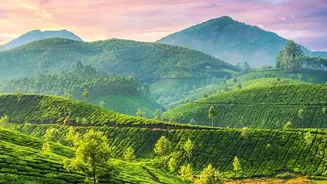
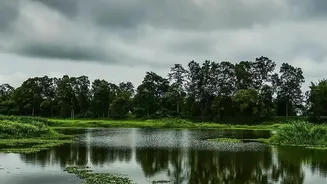
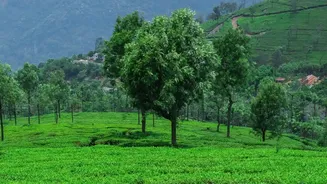
Forget the washed-out, grey reputation of the rainy season. In Assam, the monsoon breathes life into the landscape. The state's famed tea gardens, sprawling across districts like Jorhat and Dibrugarh, become intensely vibrant, their green hues deepening
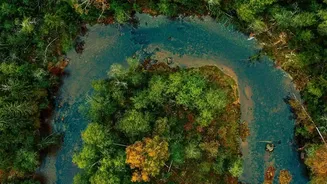
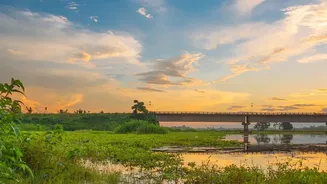
with every shower. This is the season when the tea plants flourish, producing the prized second flush, known for its strong, malty flavour. For visitors, a drive through these plantations is an experience in itself, with mist hanging low over the rolling fields and the scent of wet earth and fresh tea leaves filling the air. The entire state dons a cloak of verdant splendour, from the banks of the mighty Brahmaputra to the foothills of its gentle hills, making it a photographer's dream.
Thrills in the Rain
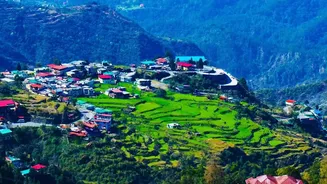
For adventure seekers, the monsoon offers a different kind of thrill. While heavy rains can make some activities challenging, others come into their own. The rivers, swollen with rainwater, create exciting opportunities for rafting, though this is often recommended for experienced rafters due to the strong currents. Rivers like the Kameng and the mighty Brahmaputra offer exhilarating rapids against a backdrop of stunning, rain-washed scenery. Trekking also takes on a new character. Trails in places like the only hill station in Assam, Haflong, become beautifully slick and mysterious, leading through misty forests and past seasonal waterfalls that appear as if from nowhere. It's an opportunity to see the untamed side of Assam's natural beauty.
Wildlife in the Downpour
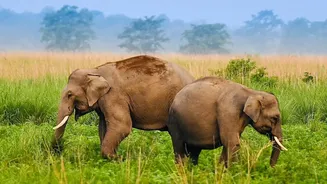
Many assume that national parks are a no-go zone during the monsoon. While it's true that large parts of Kaziranga National Park, a UNESCO World Heritage Site, close due to flooding from the Brahmaputra, this natural cycle is vital for the ecosystem. The floods rejuvenate the grasslands, ensuring a healthy habitat for its famous one-horned rhinoceroses. For the determined visitor, this period can offer unique sightings from the periphery or designated highlands where animals take refuge. However, other sanctuaries like Pobitora Wildlife Sanctuary, known for its dense rhino population, and Manas National Park often remain partially accessible and offer incredible monsoon experiences. The wetlands of Dibru-Saikhowa National Park and Deepor Beel become bustling hubs for birds, making it a spectacular time for birdwatchers.
A Cultural Sojourn
The monsoon's magic isn't just limited to nature; it seeps into the state's cultural fabric. Majuli, the world's largest river island, takes on a serene, almost floating appearance. Exploring its Vaishnavite monasteries, or Satras, offers a peaceful and deeply spiritual experience as the rain drums down outside. The historic town of Sivasagar, with its ancient Ahom dynasty monuments like the Rang Ghar and Talatal Ghar, looks even more picturesque when washed clean by the rain. This season also hosts the Ambubachi Mela at the Kamakhya Temple in Guwahati, one of the most significant religious gatherings in the region, drawing devotees from all over. It's a time when nature, spirituality, and history converge.
Planning Your Monsoon Trip
A trip to Assam during the monsoon requires a bit of planning. Waterproofing is key, so pack reliable rain gear, quick-drying clothes, and sturdy, water-resistant footwear. While the rain brings lushness, it can also lead to travel disruptions, so it's wise to have a flexible itinerary and check road conditions, especially in hilly areas. Many tea estates now offer tourism experiences, including stays in heritage bungalows, providing a cozy and immersive way to enjoy the season. Booking accommodations and any guided tours in advance is recommended. Embrace the slower pace that the weather might enforce; a monsoon trip to Assam is about soaking in the atmosphere, not rushing from one sight to another.