



1. Bake It into Crispy Fries
Forget potatoes for a moment and consider polenta fries. When baked, polenta achieves a delightful textural contrast: a shatteringly crisp exterior that gives way to a soft, creamy interior. To make them, you first cook polenta until thick, then spread
it in a pan to cool and firm up. Once solid—a process you can speed up in the refrigerator—you can slice it into fry-shaped sticks. Toss these with olive oil, herbs like rosemary, and a pinch of salt before baking in a hot oven. They need to be turned halfway through to ensure they become golden and crispy on all sides. The result is a sophisticated, gluten-free side dish perfect for dipping in marinara sauce or aioli. You can even use a pre-cooked polenta tube to save time.
2. Grill or Pan-Sear It
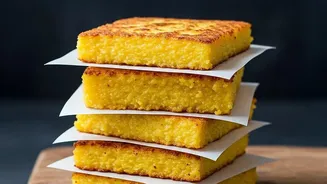
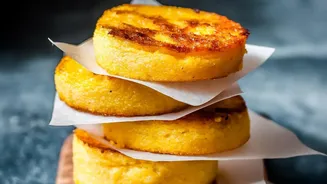
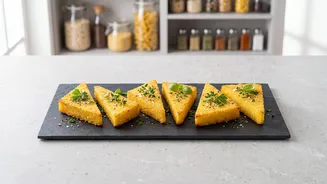
When grilled or pan-seared, polenta takes on a wonderful, lightly smoky flavour and beautiful char marks. Slices of firm, pre-cooked polenta are brushed with oil and cooked on a hot grill or grill pan for several minutes per side until golden. The key is to let the slices cook undisturbed so they don't stick and can develop a perfect crust. These grilled planks are incredibly versatile. You can serve them as a base for appetisers, topped with anything from sautéed mushrooms to fresh bruschetta or cheese. They also make an excellent side dish, standing in for bread or potatoes to accompany stews, grilled meats, or roasted vegetables.
3. Layer It in a Hearty Casserole
Think of it as an Italian-style shepherd's pie or a gluten-free lasagne. A polenta casserole offers a deeply comforting and satisfying meal. The structure is simple: layers of cooked polenta alternate with layers of savory fillings. You can start with a base of soft, cheesy polenta pressed into a casserole dish. Then, add layers of rich meat or vegetable ragu, sautéed mushrooms and onions, and plenty of cheese. Another layer of polenta on top seals the deal. After baking for about 30 minutes, the casserole becomes bubbly and golden. It’s a fantastic make-ahead dish that is both rustic and impressive.
4. Elevate the Creamy Bowl
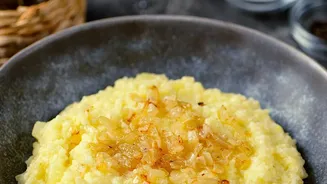
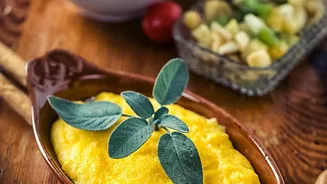
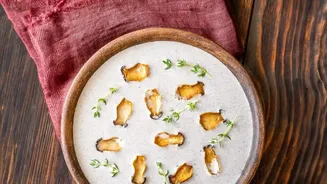
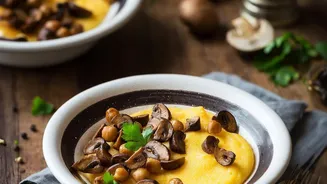
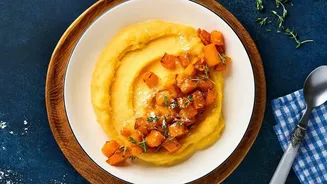
While the goal is to go beyond a 'simple' porridge, that doesn't mean abandoning creamy polenta altogether. Instead, elevate it from a humble side to the star of the show. Start by making an extra-creamy polenta, often enriched with milk, butter, and Parmesan cheese. The magic lies in the topping. A rich, earthy mushroom ragu, made with a mix of mushrooms, garlic, herbs, and a splash of wine, is a classic pairing. Other options include a hearty beef goulash, braised short ribs, or shrimp. This approach turns a basic creamy bowl into a luxurious and complete meal, perfect for a cozy night in.
5. Turn It into a Surprising Sweet Cake
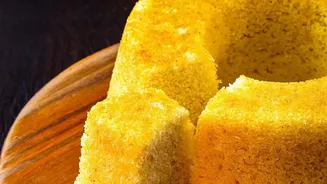
Yes, polenta can even do dessert. A sweet polenta cake is a traditional Italian treat with a wonderfully rustic and moist texture. The fine cornmeal gives the cake a unique, slightly gritty crumb that is incredibly pleasant. Recipes often pair it with almond flour for moisture and structure. To make it, polenta is typically cooked with milk and sugar before being enriched with butter, eggs, and flavourings like lemon zest or vanilla. The batter is then baked until golden. This type of cake is naturally gluten-free (if you use gluten-free baking powder) and pairs beautifully with a simple dusting of powdered sugar, a lemon glaze, or a side of fresh fruit.